Why SMEs Should Choose Loklay Over Big Global Marketplaces
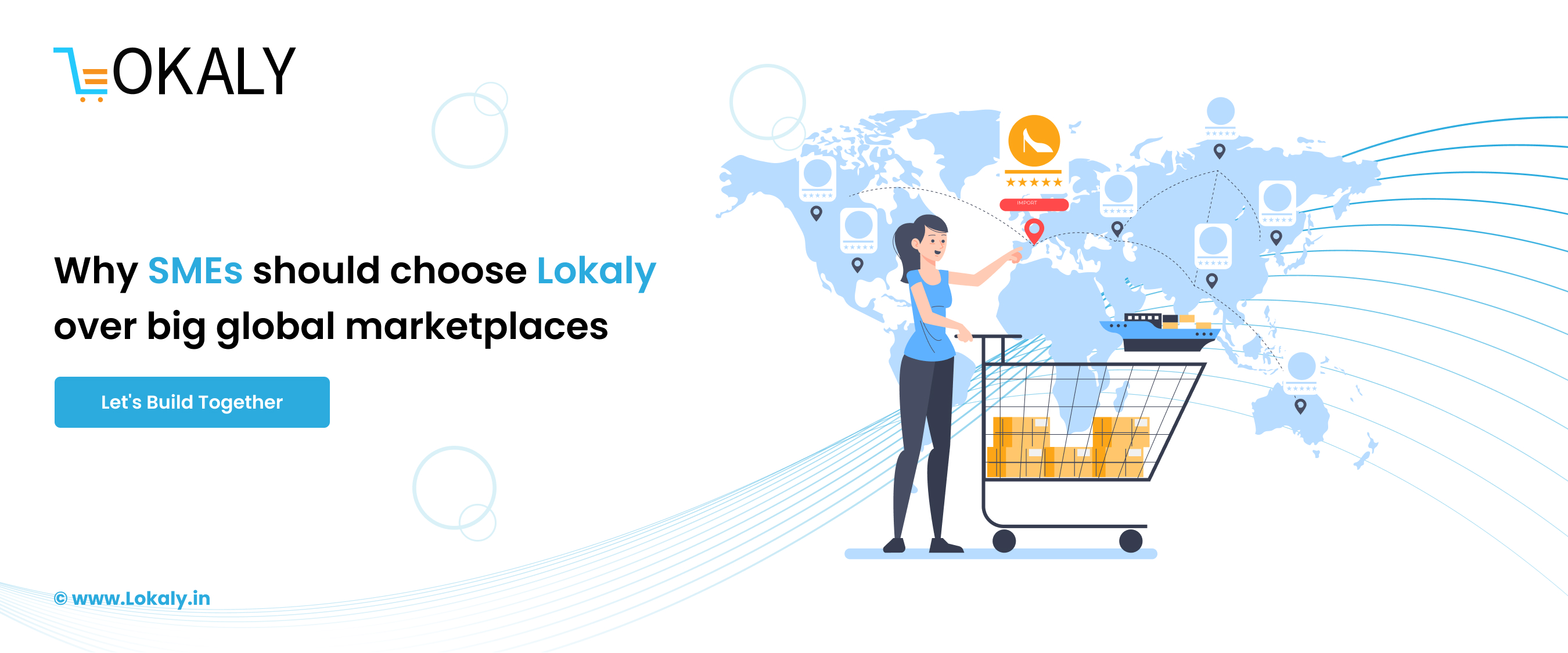
You built your business from scratch, your brand, your recipes, your relationships. So why are you handing 30% of every order to someone else’s app?
If you run a small or mid-sized business — a restaurant, a grocery store, a pharmacy, a fashion boutique — you already know the drill. You signed up for Uber Eats, Zomato, Amazon, or one of the other big global marketplaces because everyone told you that’s where the customers are. And they were right. The customers are there. But so are the commissions, the algorithms, the hidden fees, and the unsettling reality that you don’t actually own any of those customer relationships.
This piece isn’t about bashing the big platforms. They’ve done a lot of good. But there comes a point — and many SME owners are reaching it fast — where the trade-off stops making sense. Let’s talk honestly about why that is, and what a smarter alternative looks like.
The Real Cost of Selling Through Someone Else’s Platform
On the surface, joining a marketplace seems like a no-brainer. Zero upfront cost, instant reach, a ready-made user base. But once you start looking at the numbers up close, a very different picture emerges.
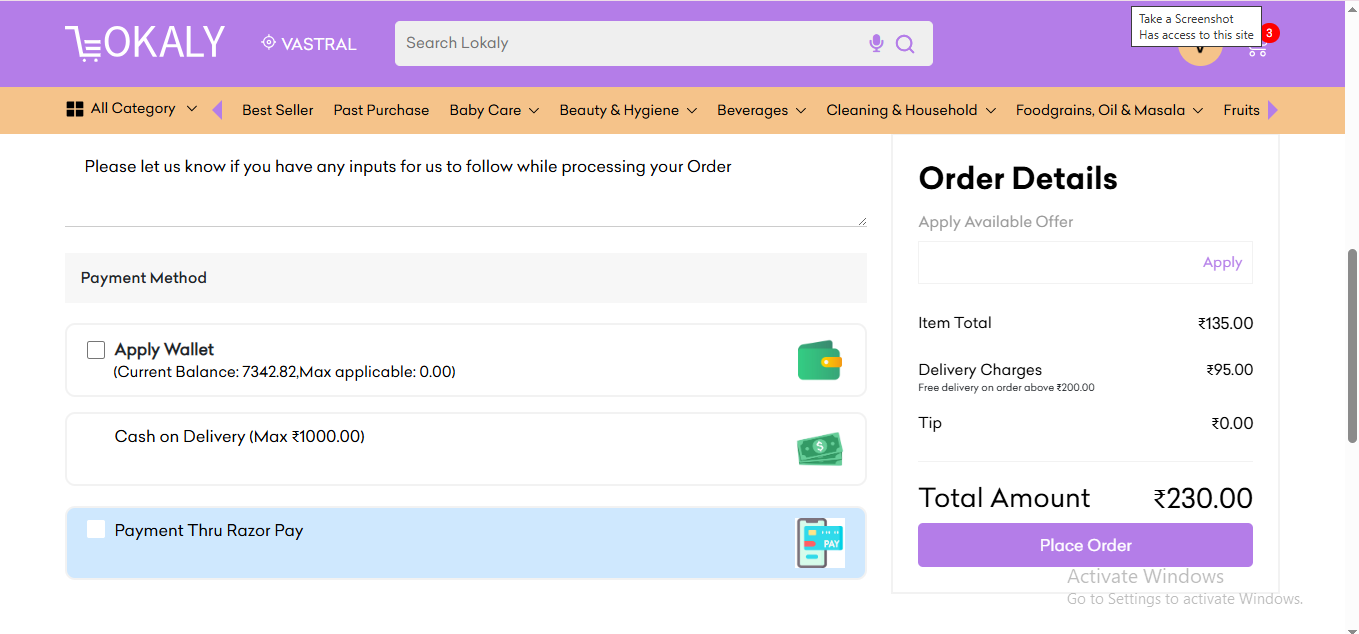
Major delivery aggregators charge anywhere between 18% and 30% commission on every single order. That’s not a one-time cost — it compounds across every transaction, every day. A restaurant doing INR 1.98 lakh a month through an aggregator is quietly losing INR 39,000 – INR 50,000 before accounting for ingredients, staff, or rent. Over a year, that’s INR 4.6 lakh – INR 5.5 lakh paid to the platform just for the privilege of being listed.
And here’s the part that stings most: after all that, the customer remembers the app — not you.
Think about it this way. When someone orders through a big marketplace, they’re your customer in physical reality, but the platform’s customer in the digital world. They got your food, but the platform got their email address, their order history, their preferences, and the right to remarket to them tomorrow. You did the work. They kept the relationship.
Big Marketplaces Weren’t Built for Businesses Like Yours
Global platforms are engineered for scale. They’re designed to move millions of orders across thousands of cities. That’s genuinely impressive. But it also means their systems, their algorithms, their pricing logic — all of it — is optimized for the average, not for you.
Your locality matters to your customers far more than any algorithm understands. The fact that you source vegetables from the farm two streets over, or that your bakery has been a Sunday morning ritual for neighbourhood families for fifteen years — none of that surfaces in a generic marketplace listing sandwiched between paid-placement competitors.
What’s worse, the bigger the platform gets, the more you have to spend on ads just to stay visible to people who already know you exist. You end up paying to reach your own customers, on someone else’s platform, while they collect the data.
What Does a White Label Ordering App Actually Mean for You?
Here’s a phrase that sounds more technical than it is: white-label ordering app for small businesses. Strip away the jargon, and it simply means — an app that looks and feels entirely like your brand, not someone else’s.
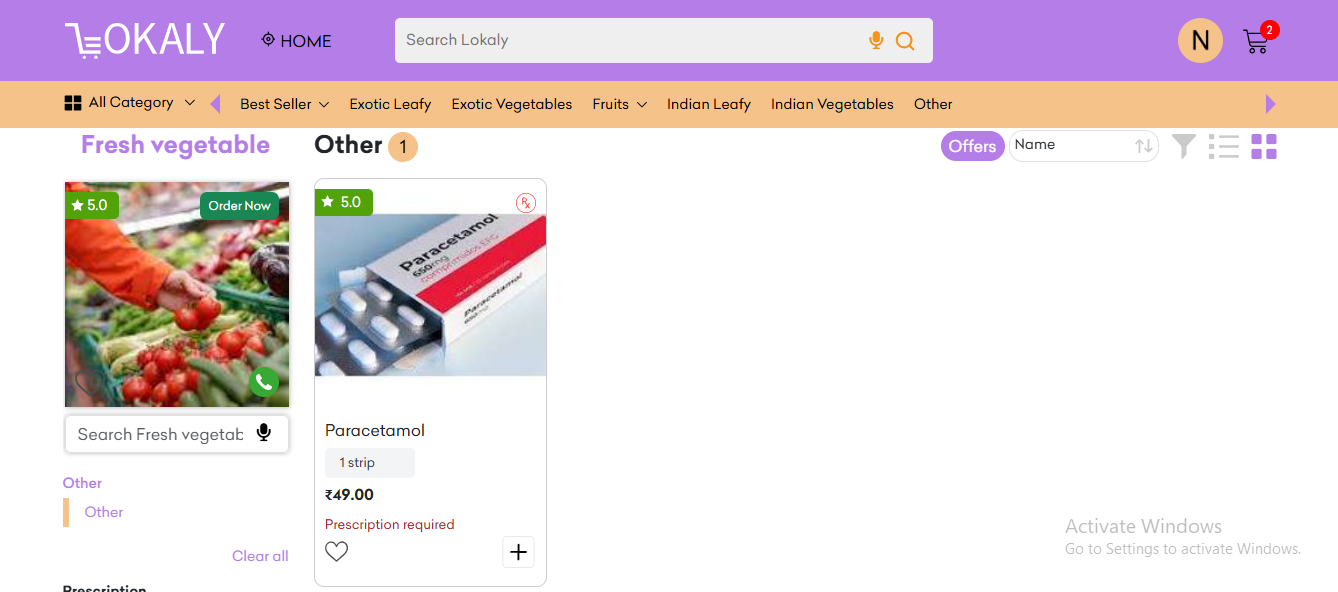
When a customer opens it, they see your logo, your colours, your name. They’re not browsing a marketplace. They’re shopping directly with you. That distinction sounds small, but it changes everything about the customer relationship.
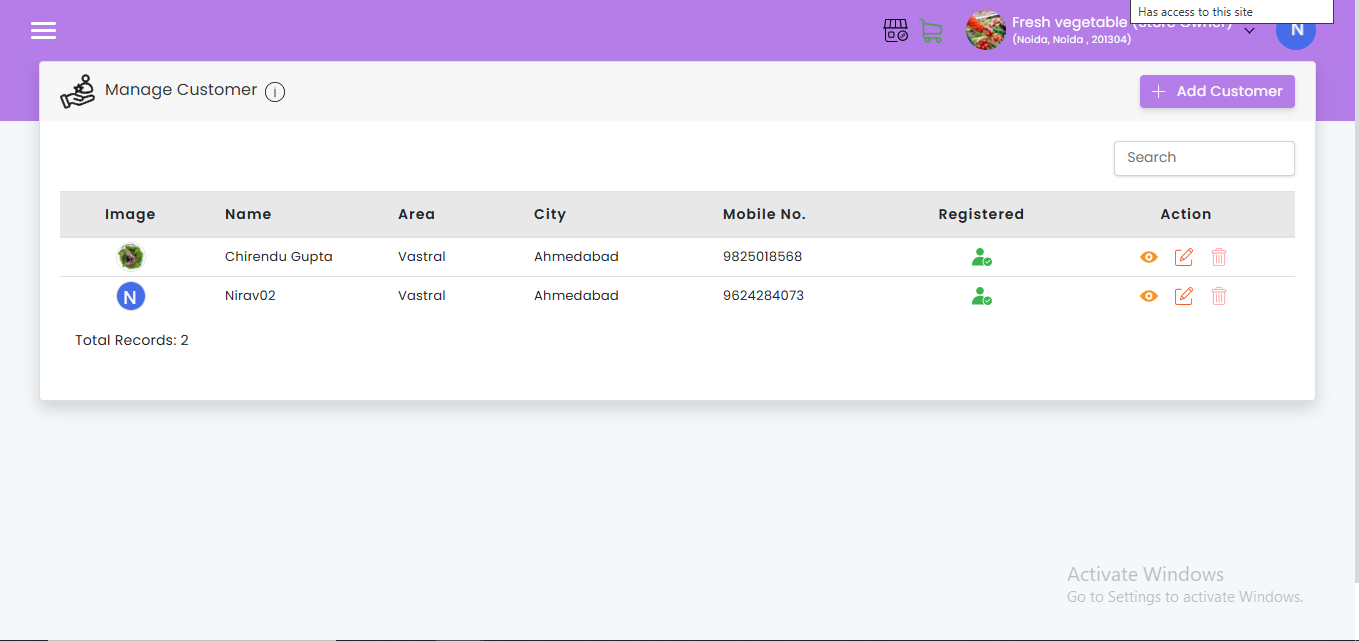
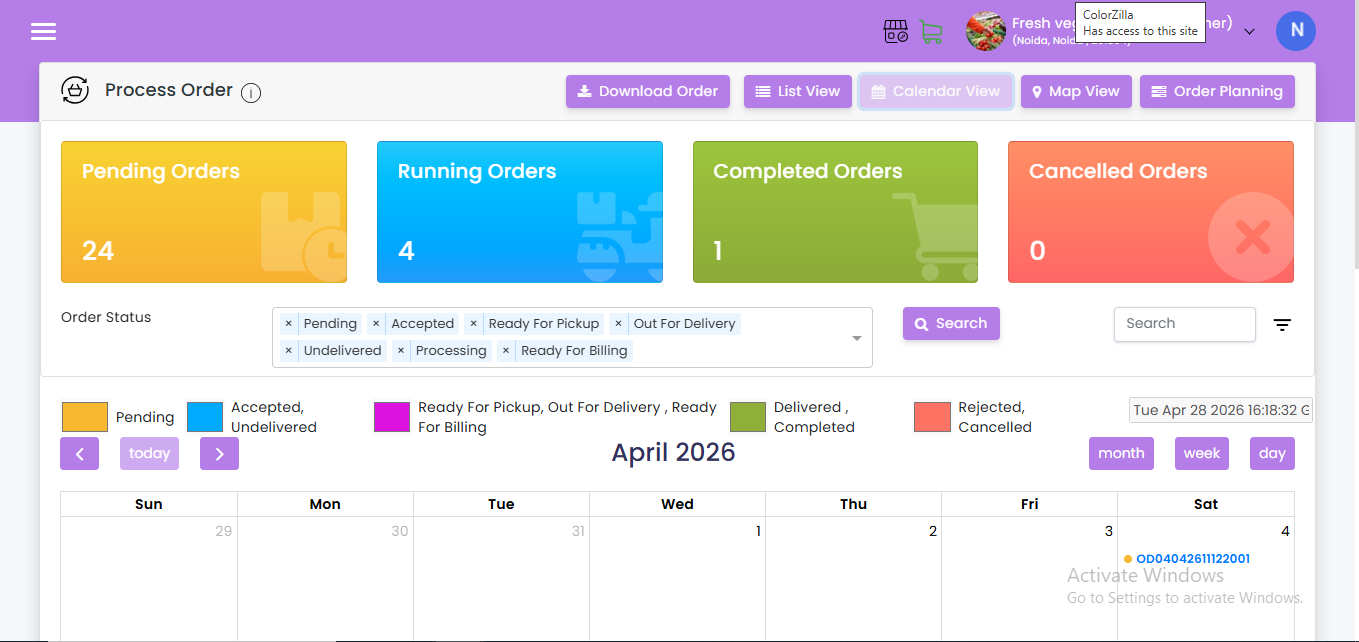
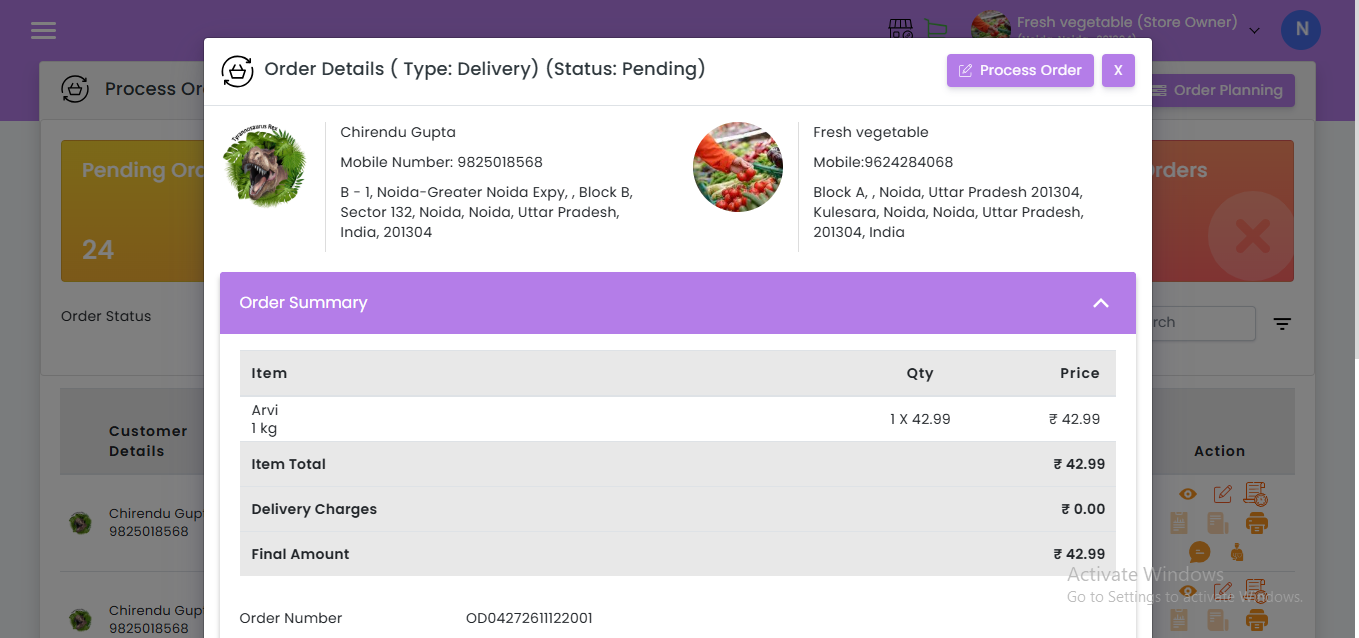
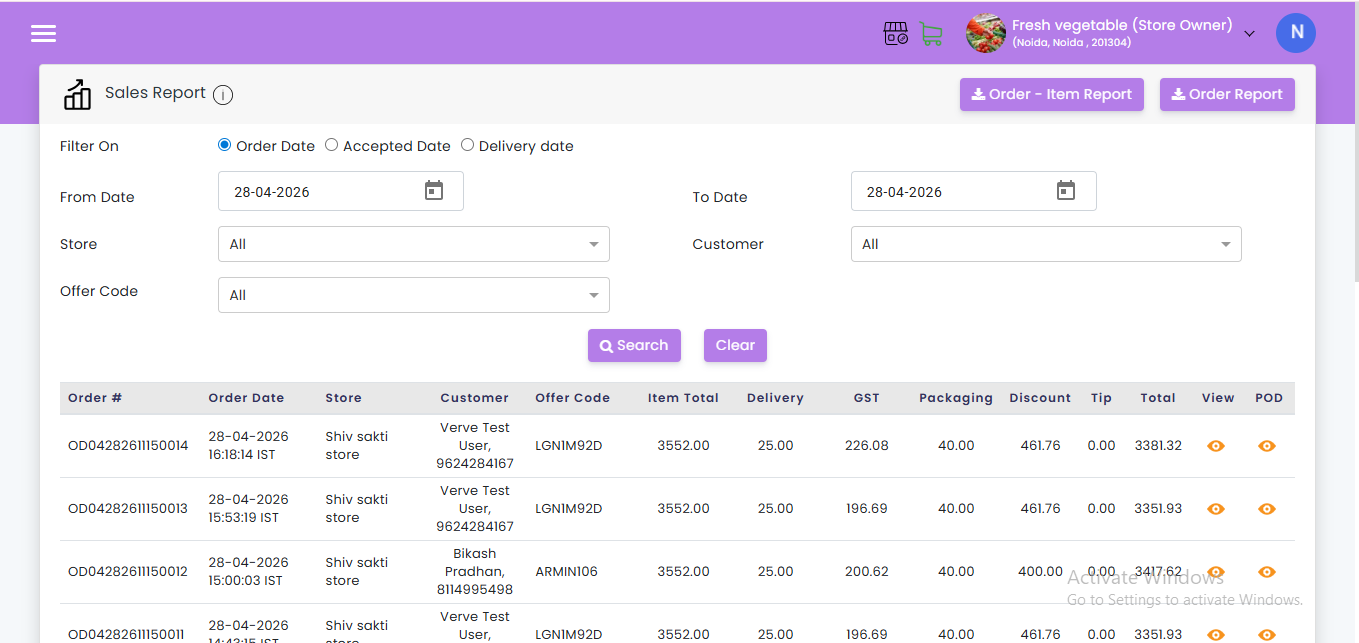
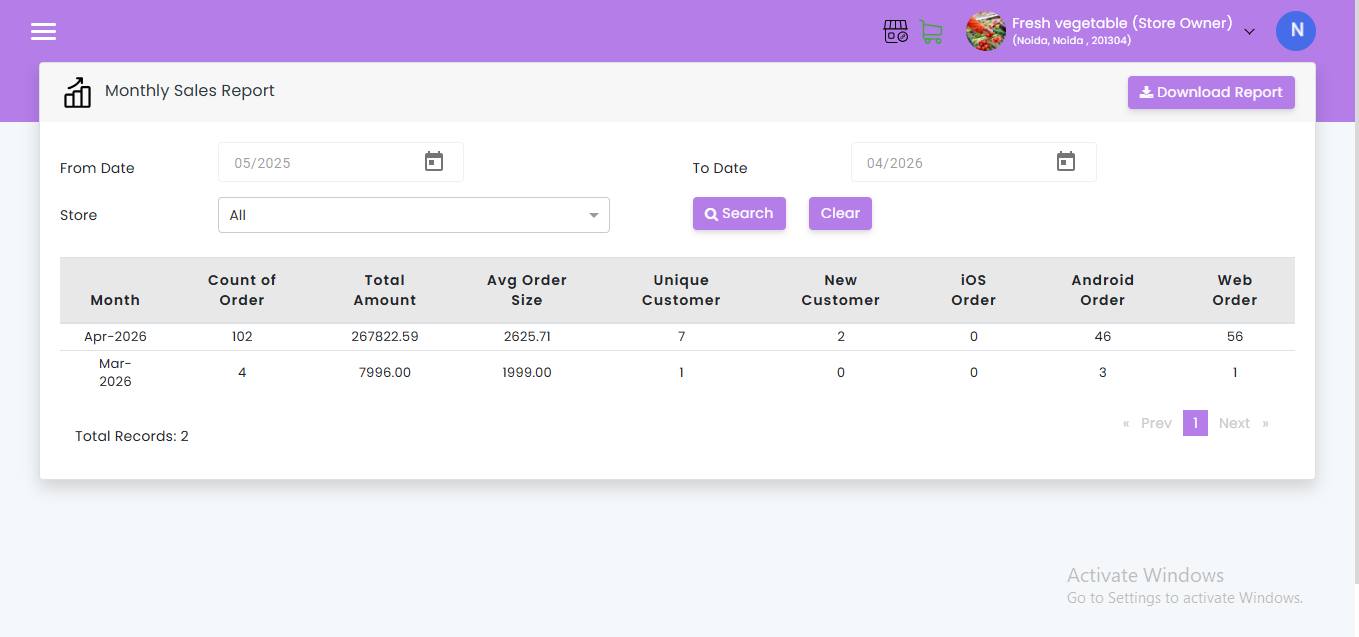
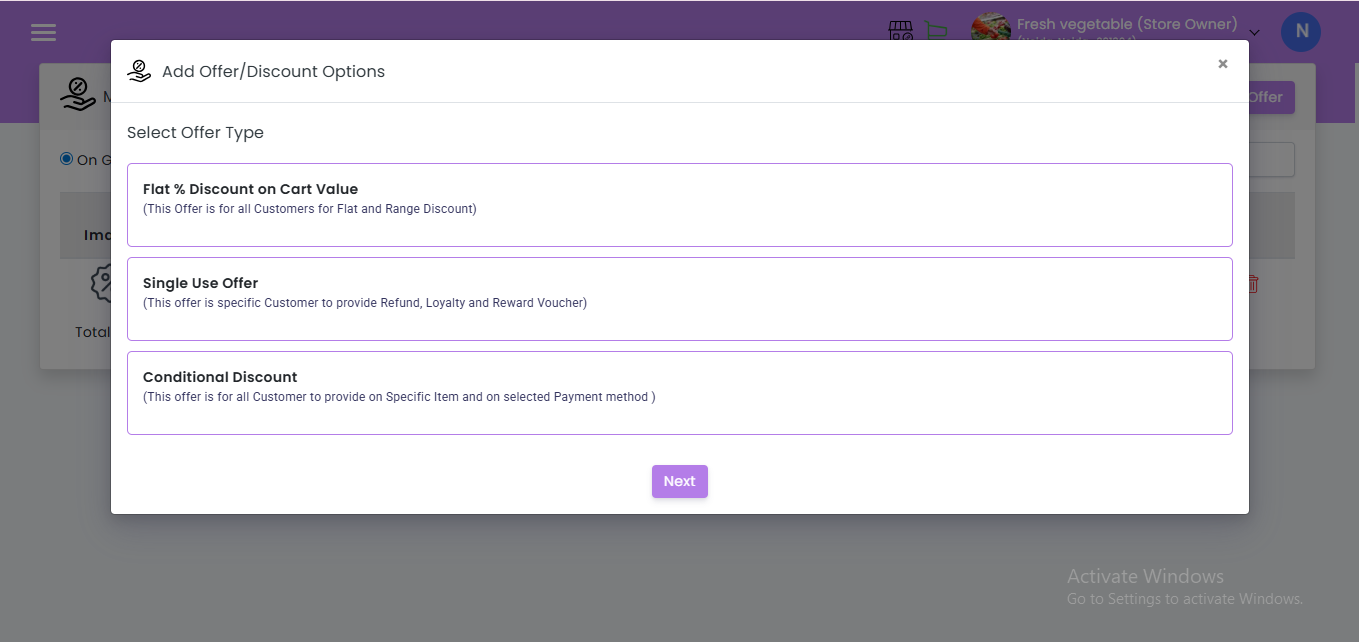
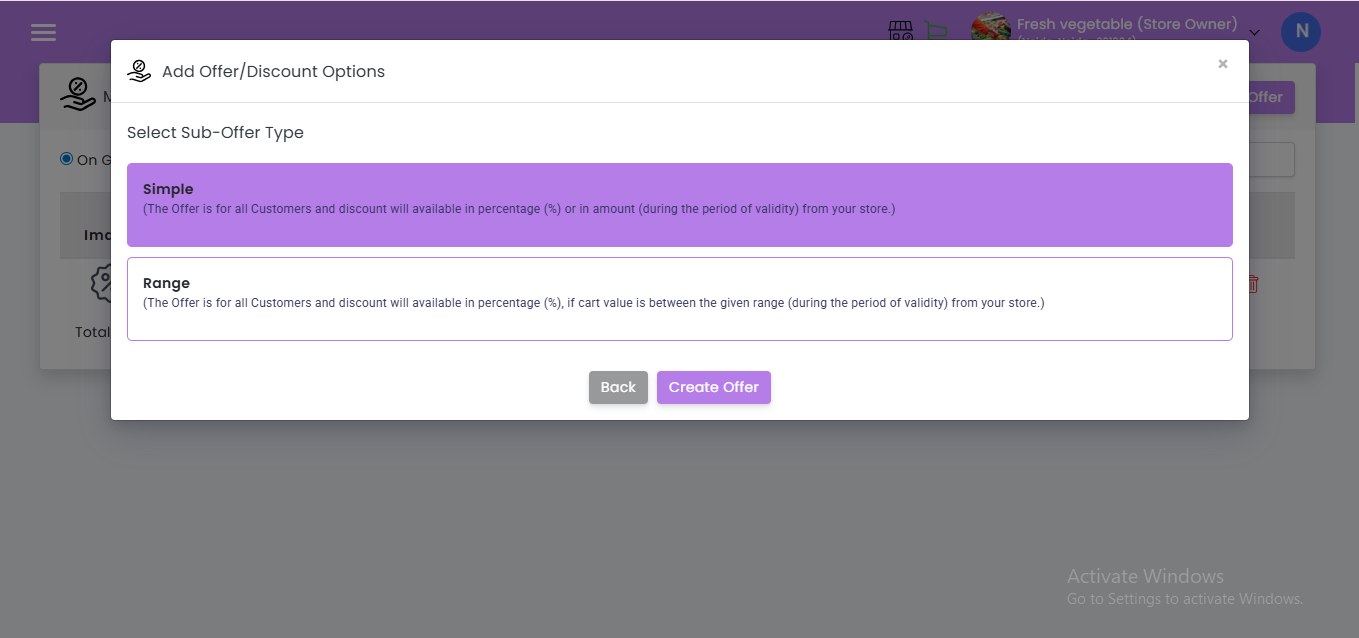
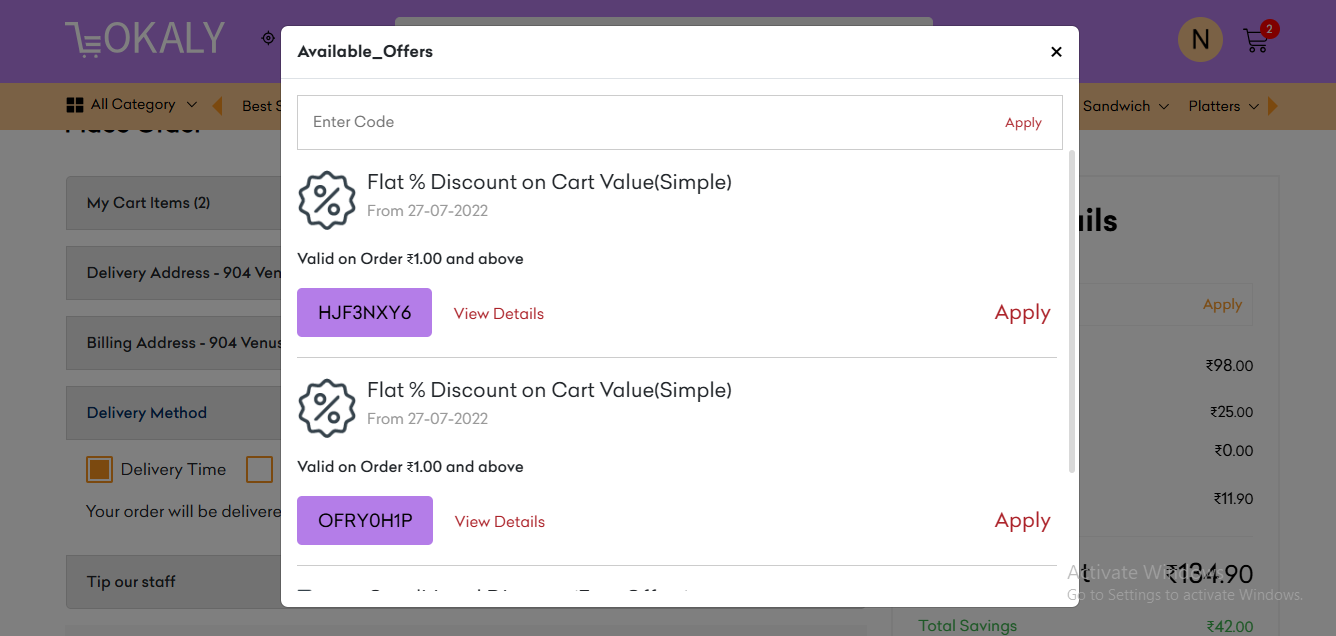
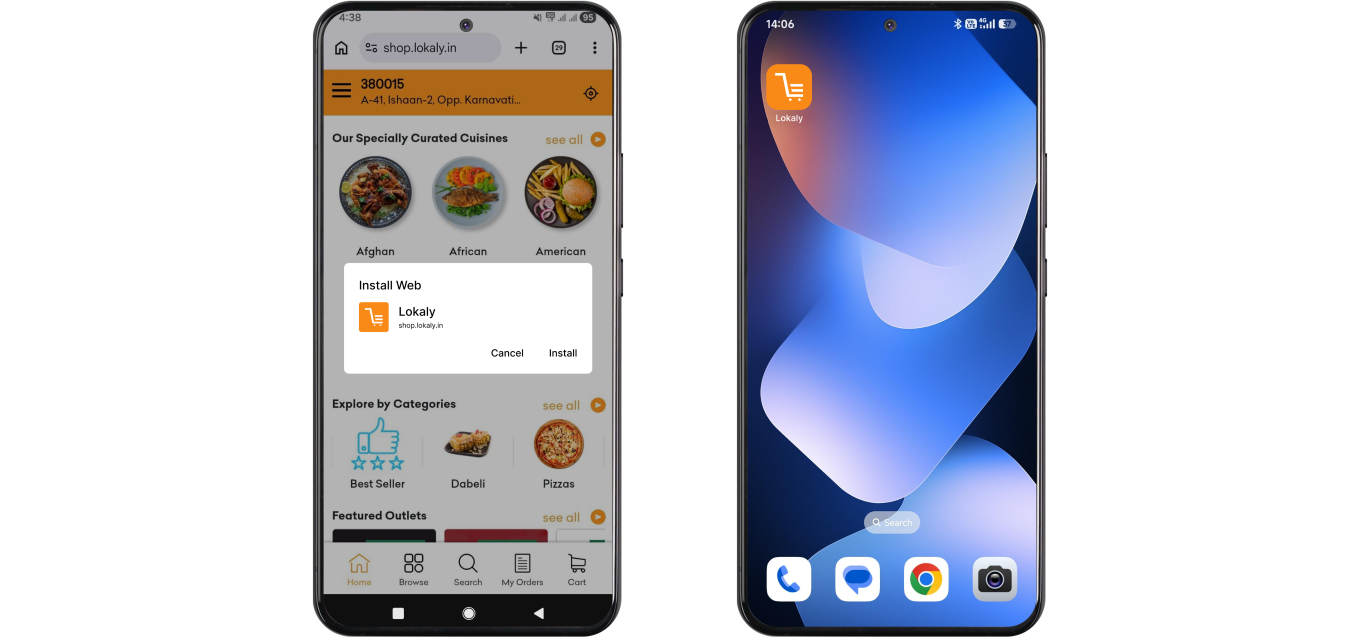
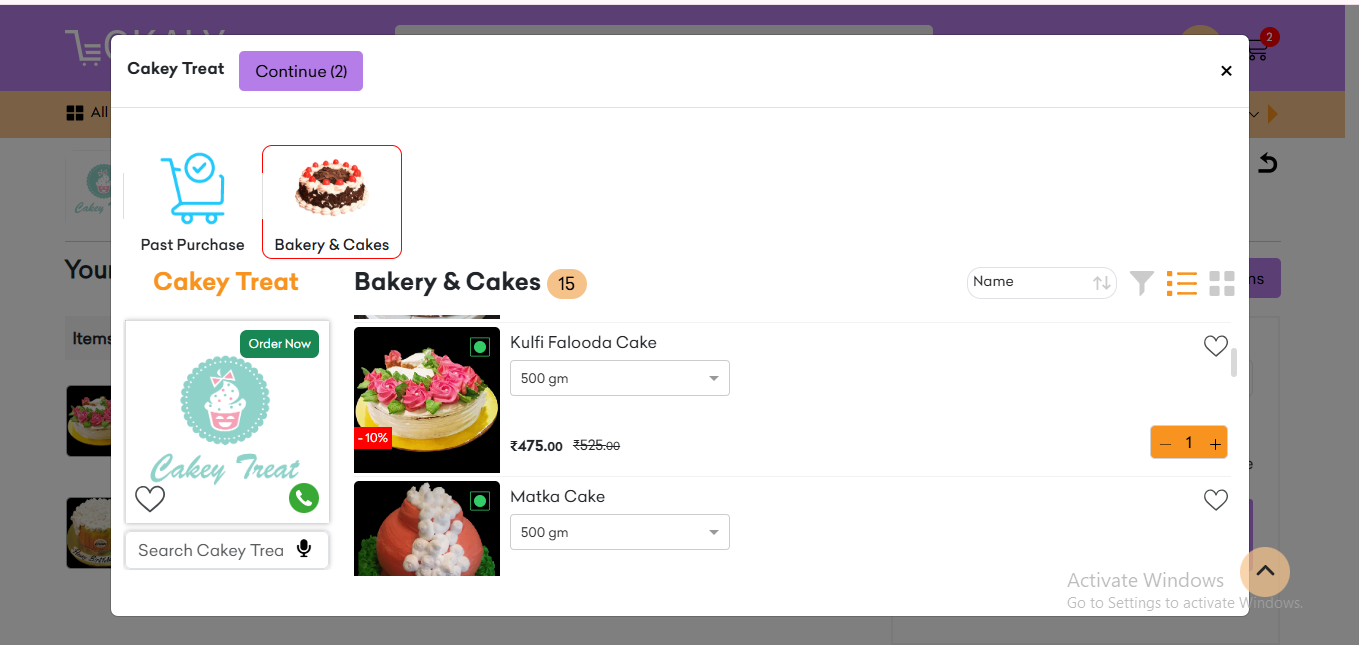
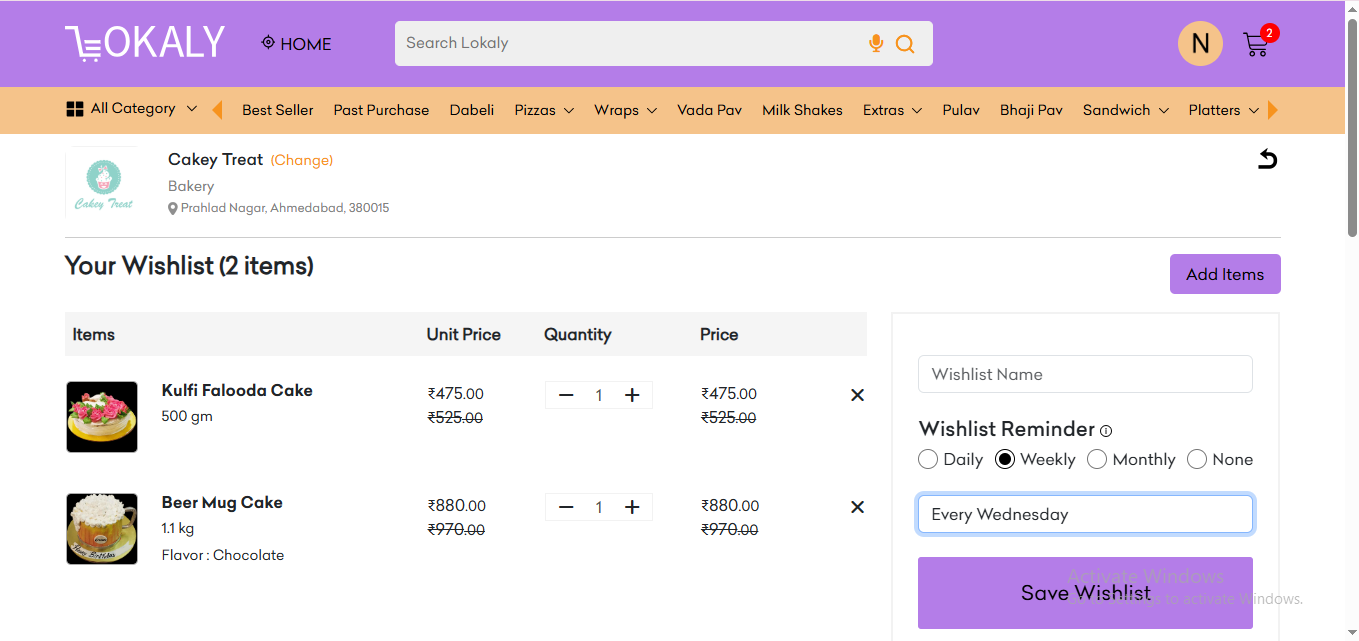
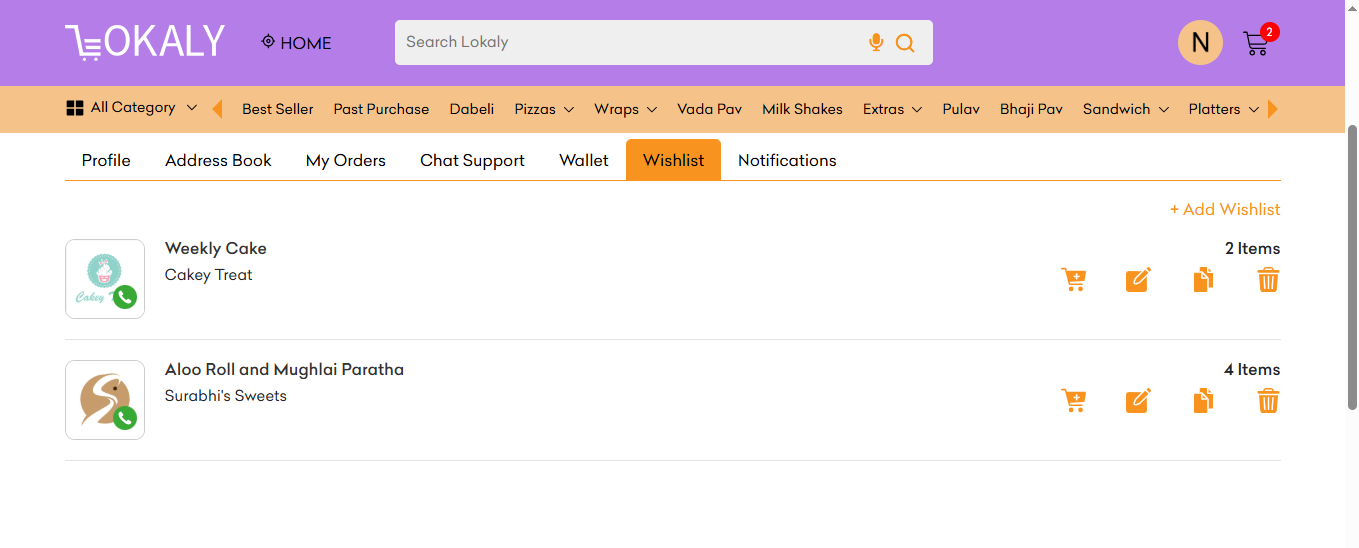
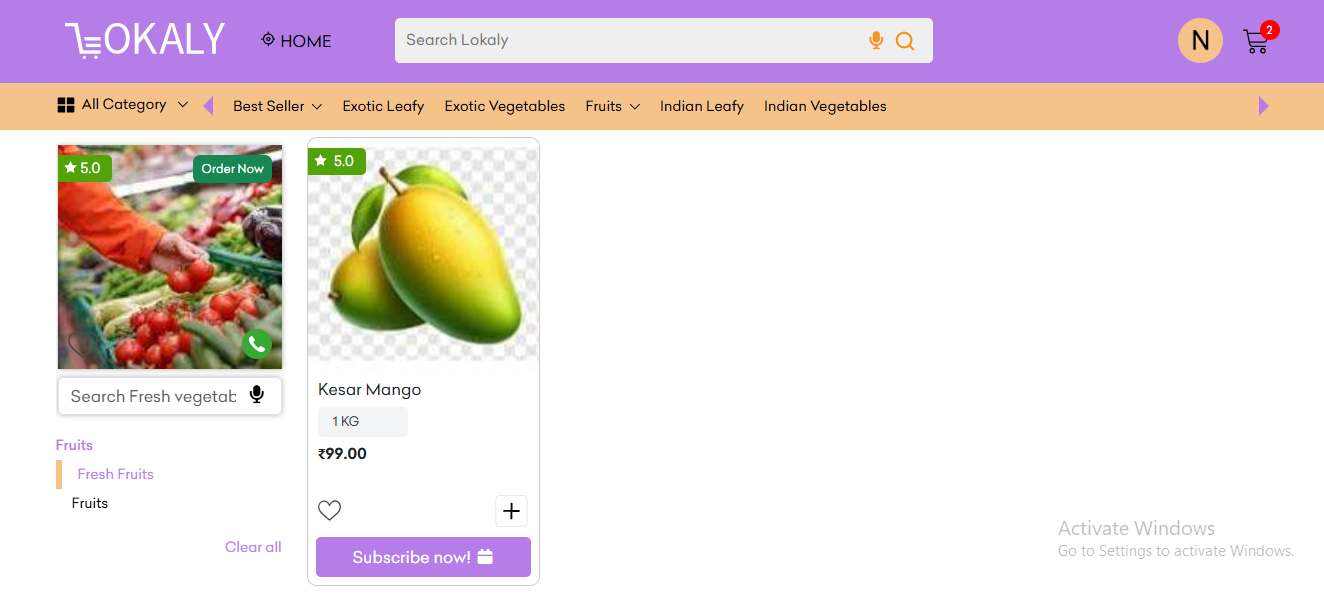
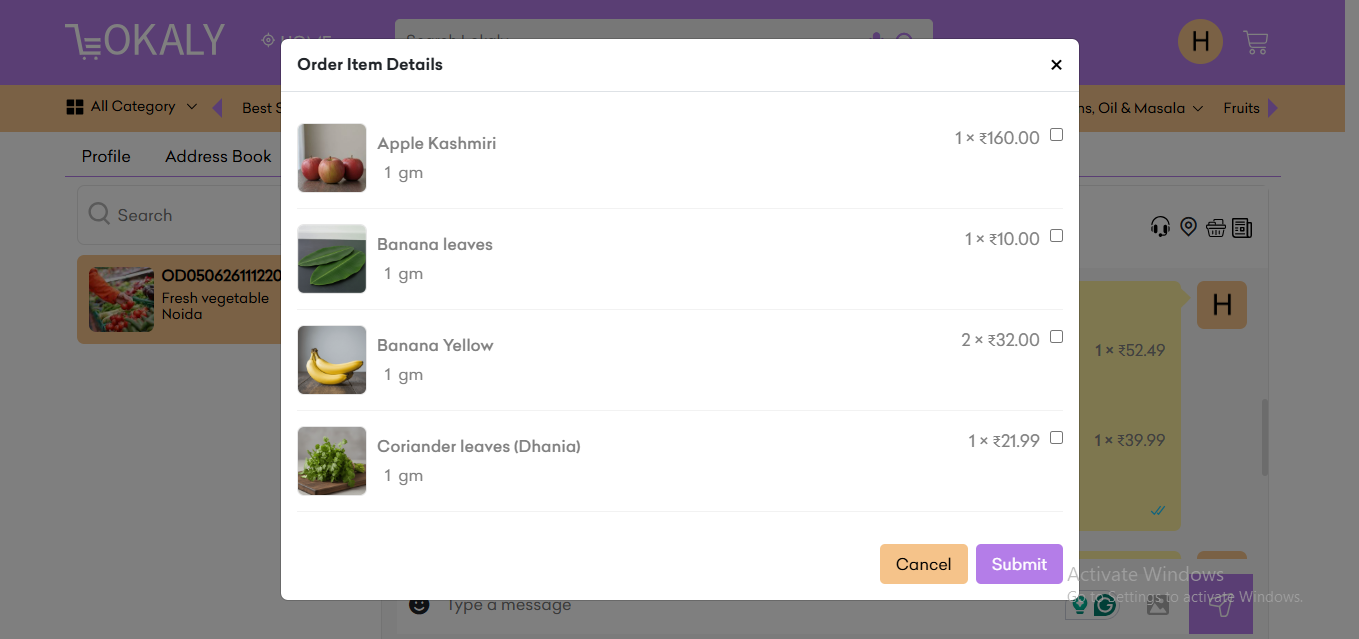
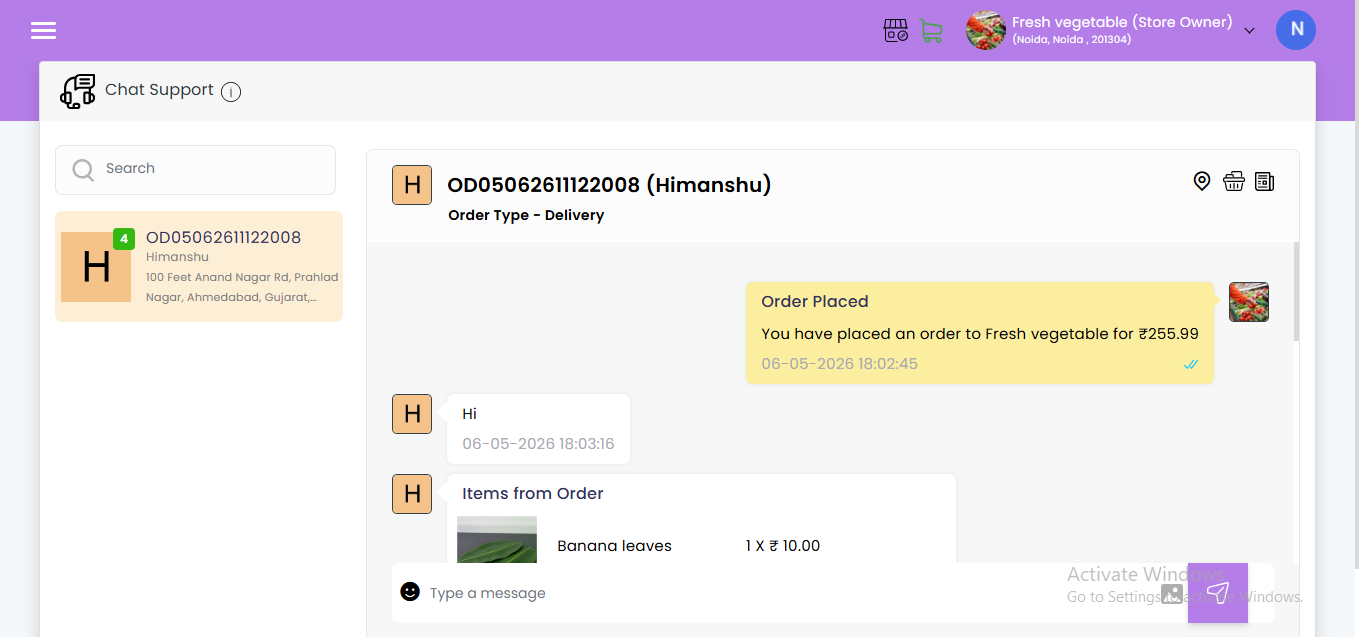
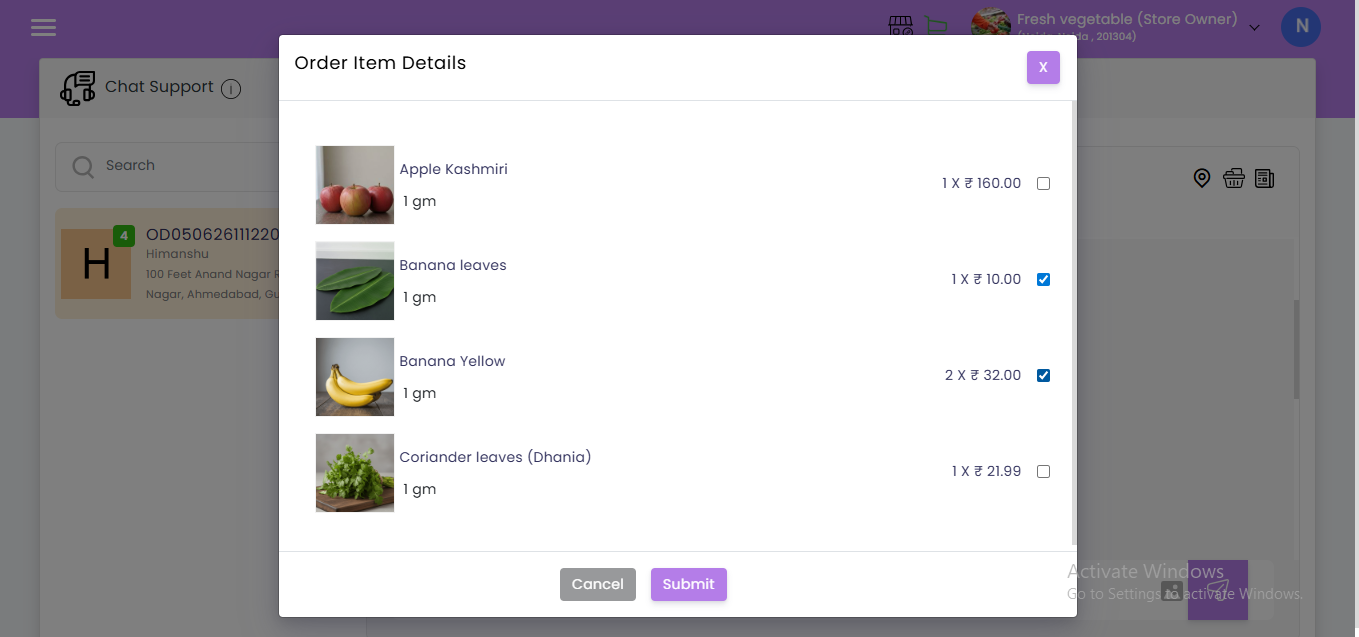
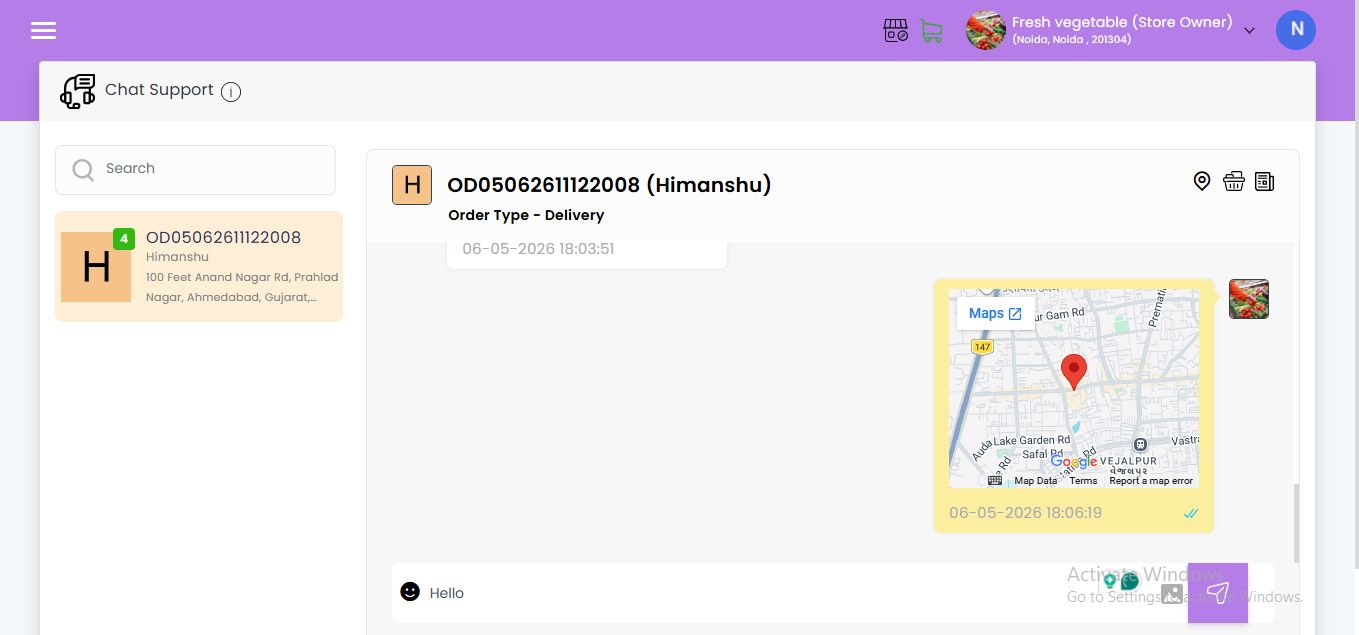
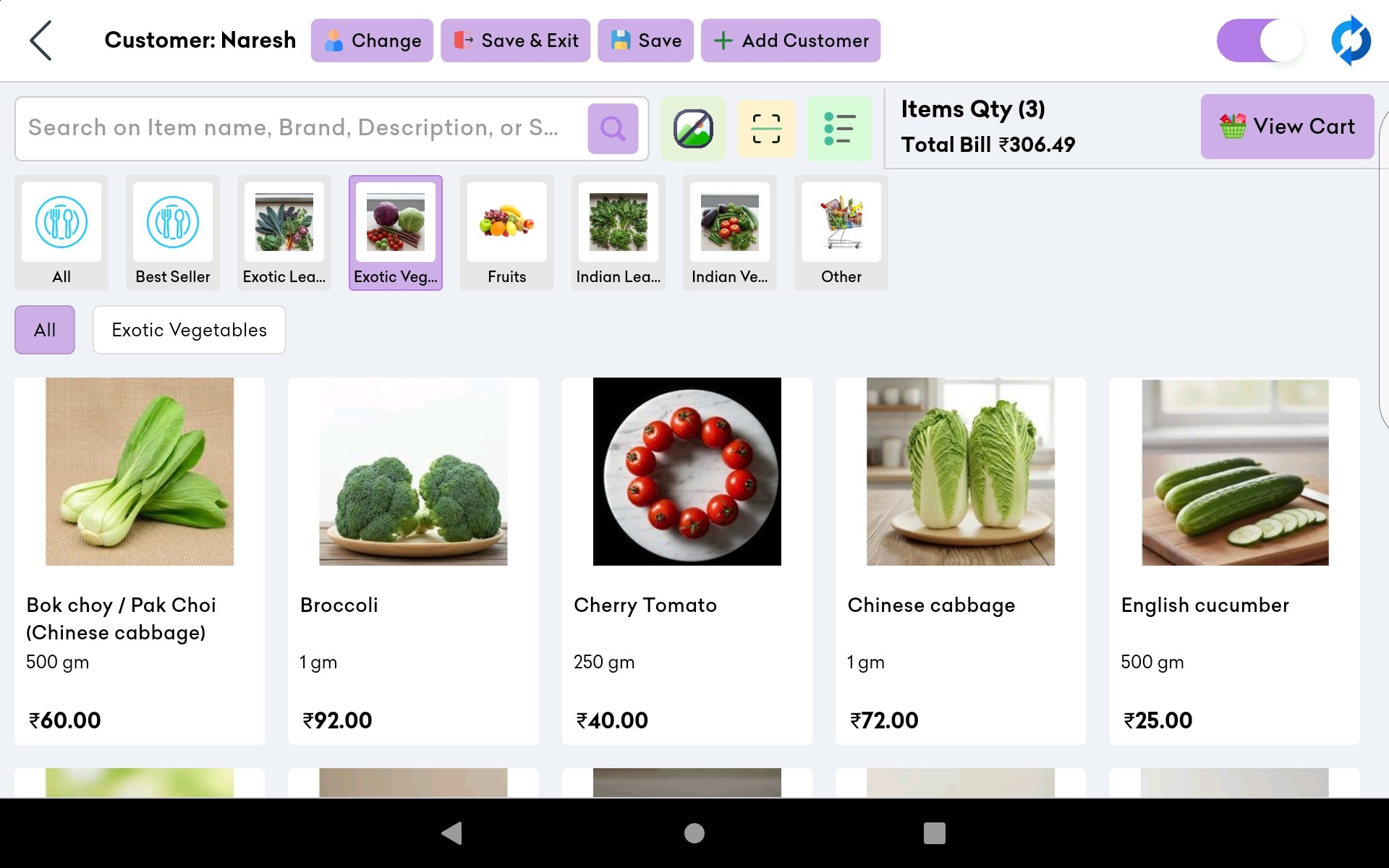
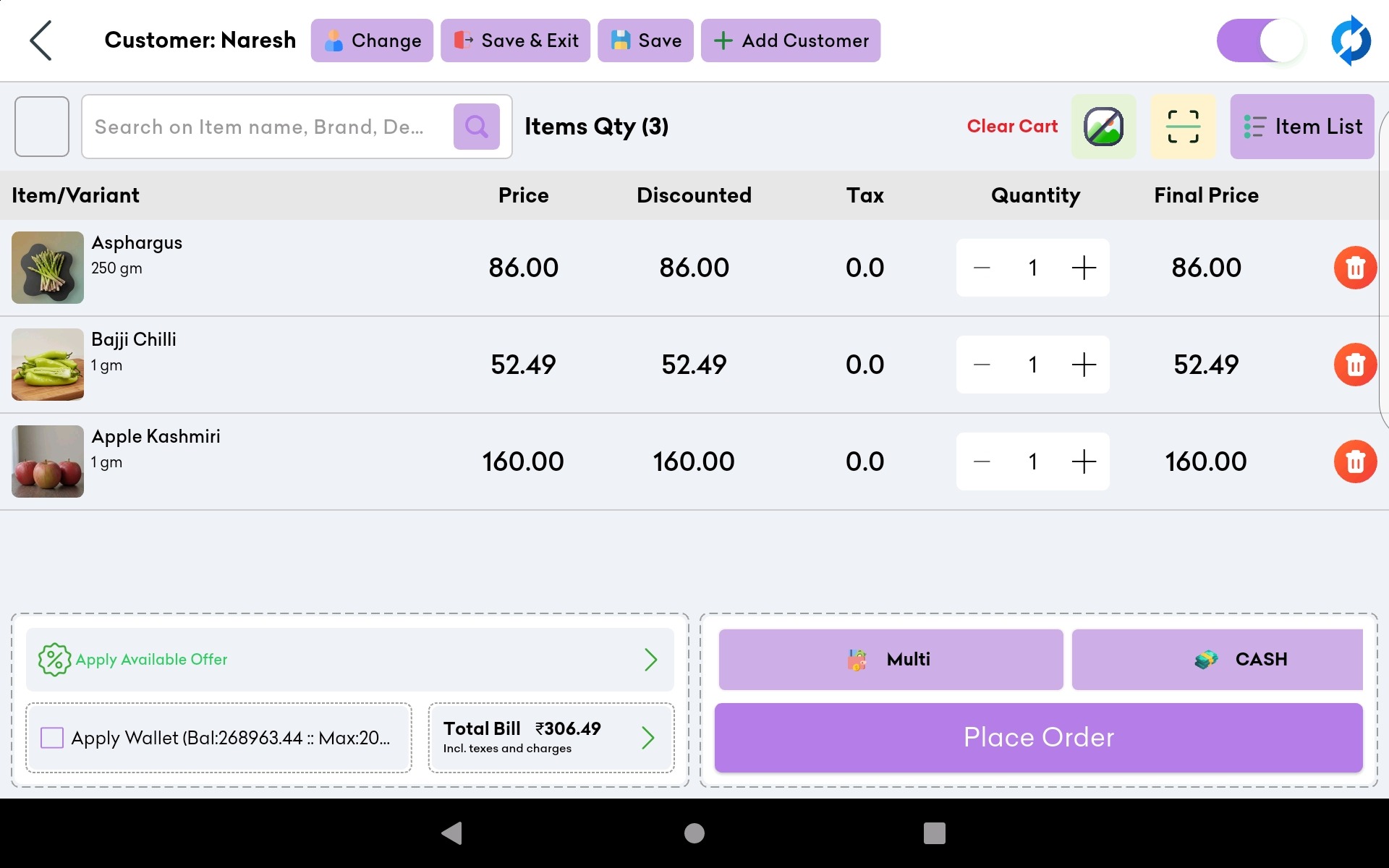
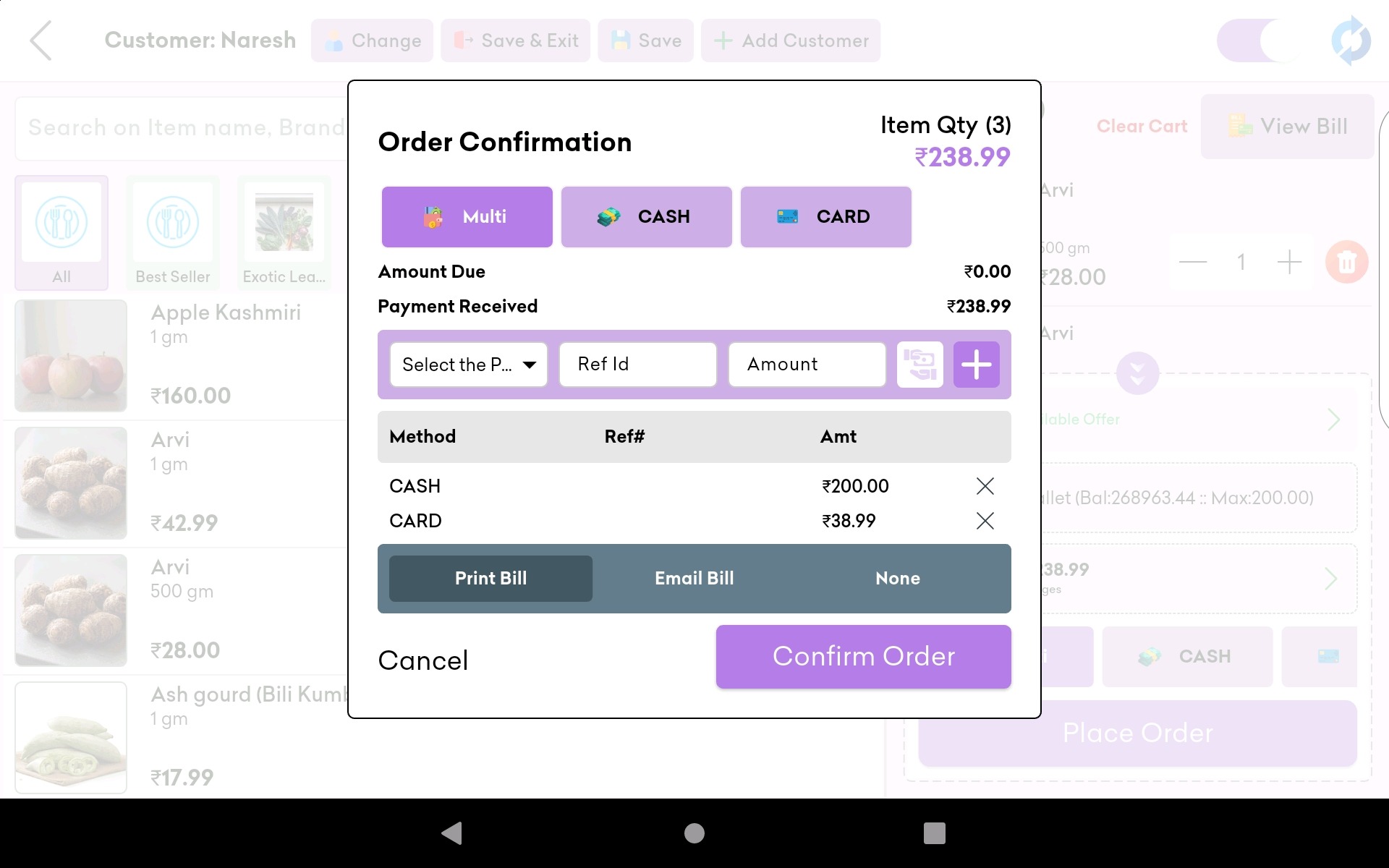
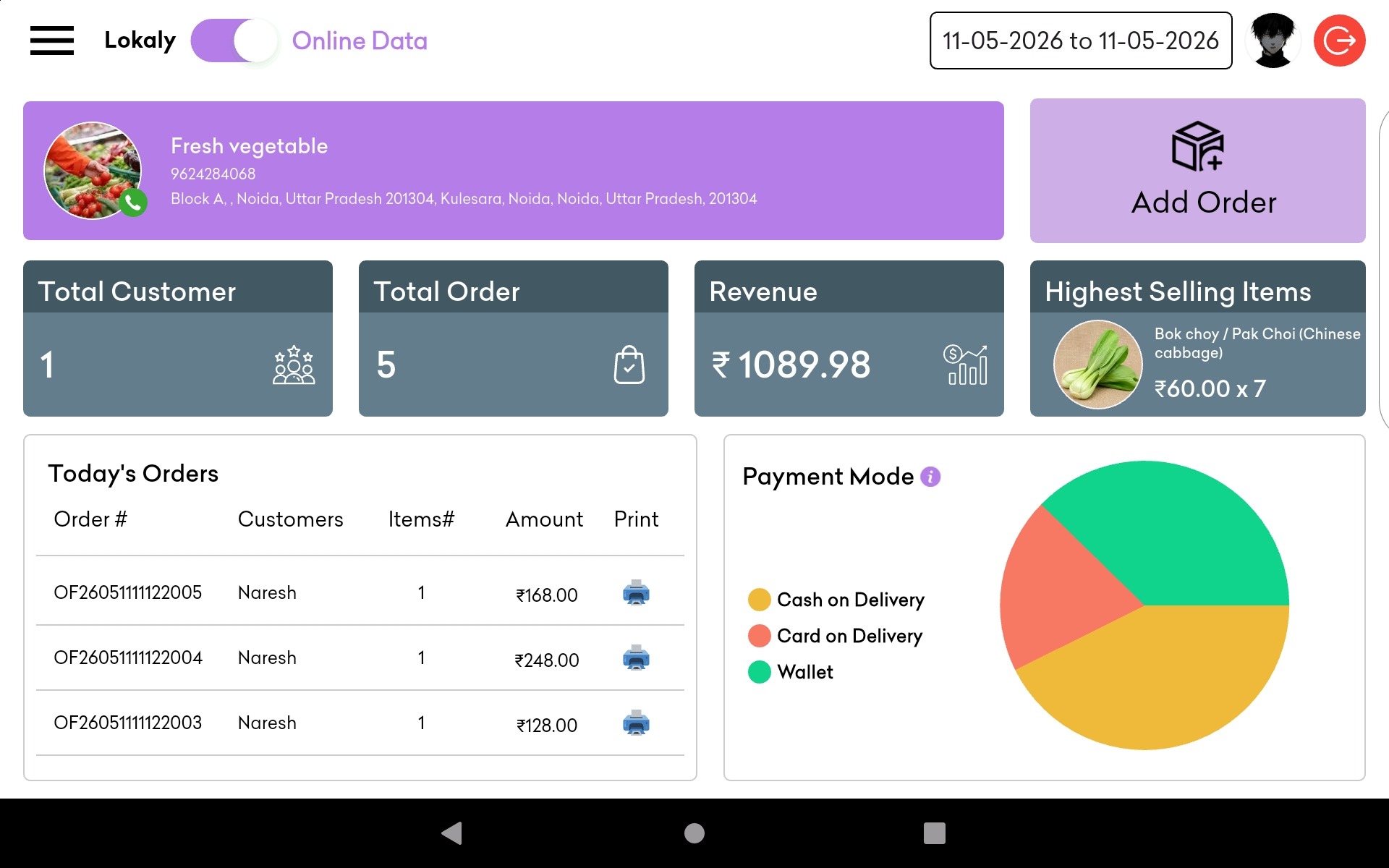
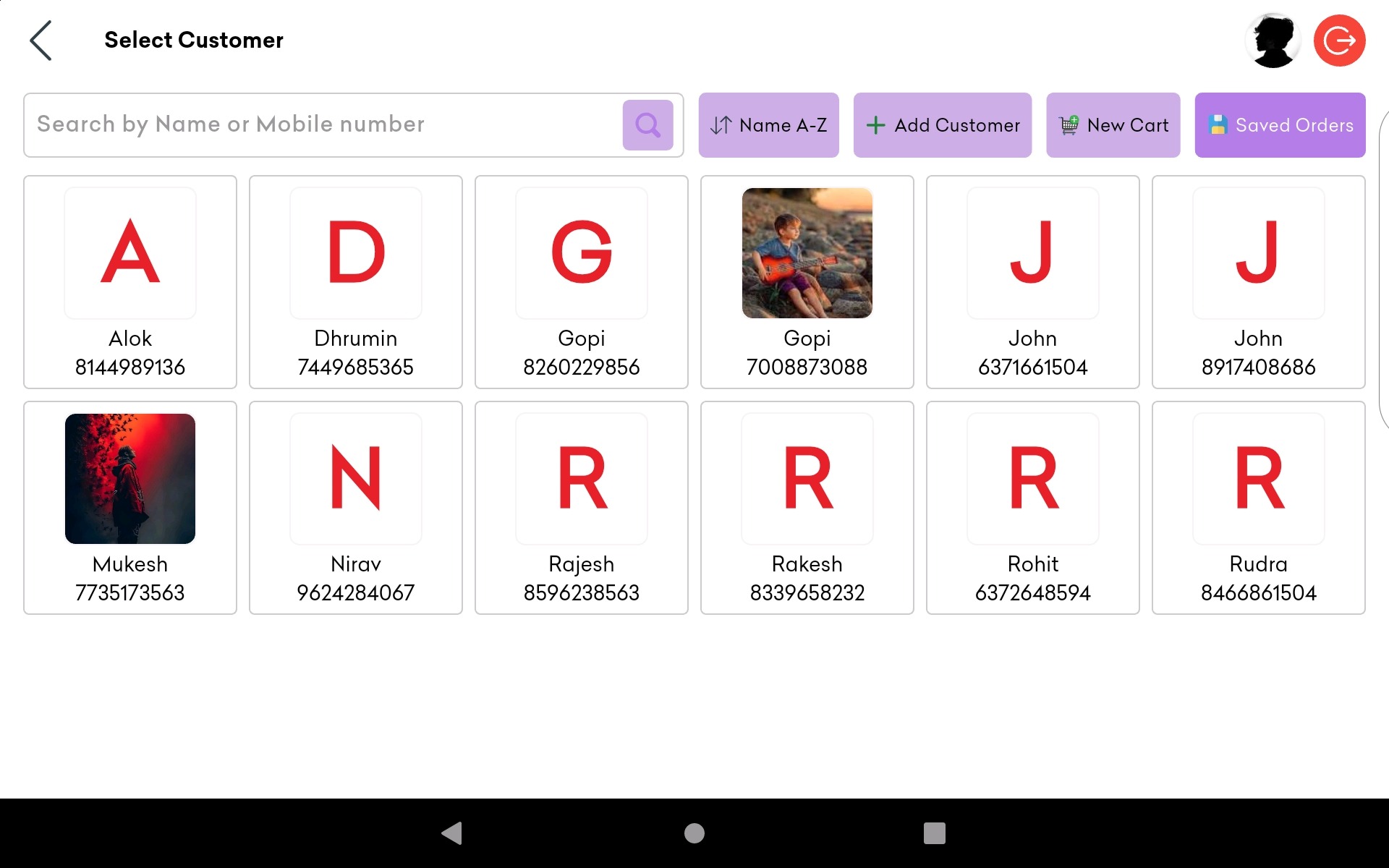
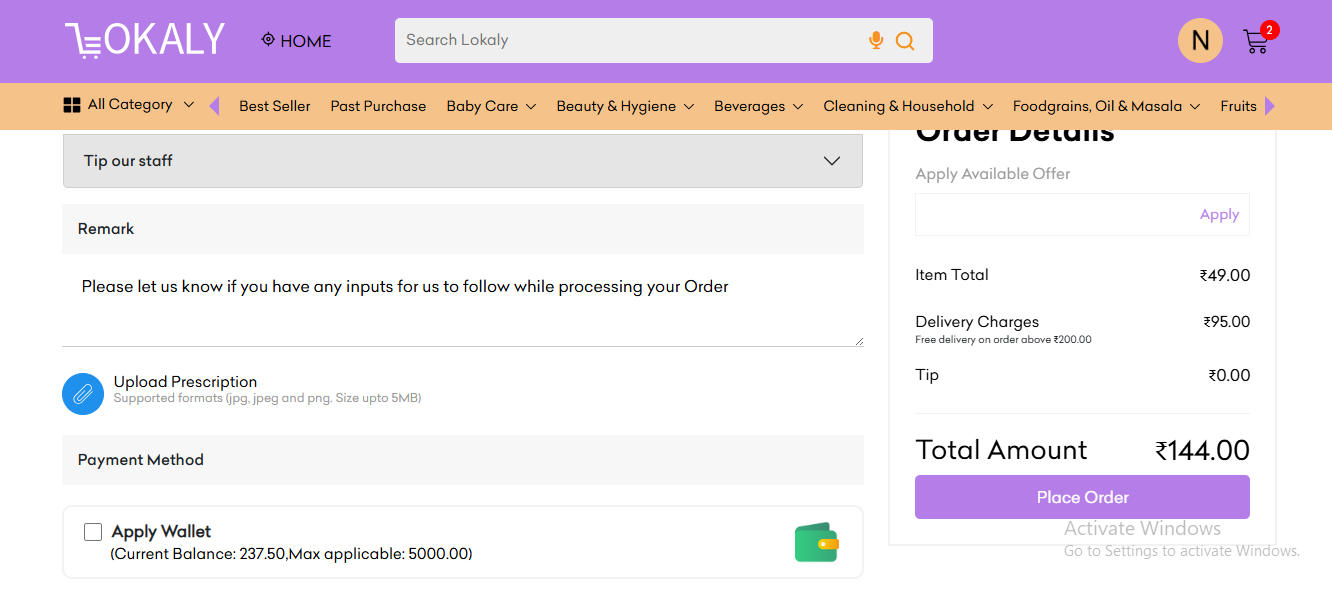
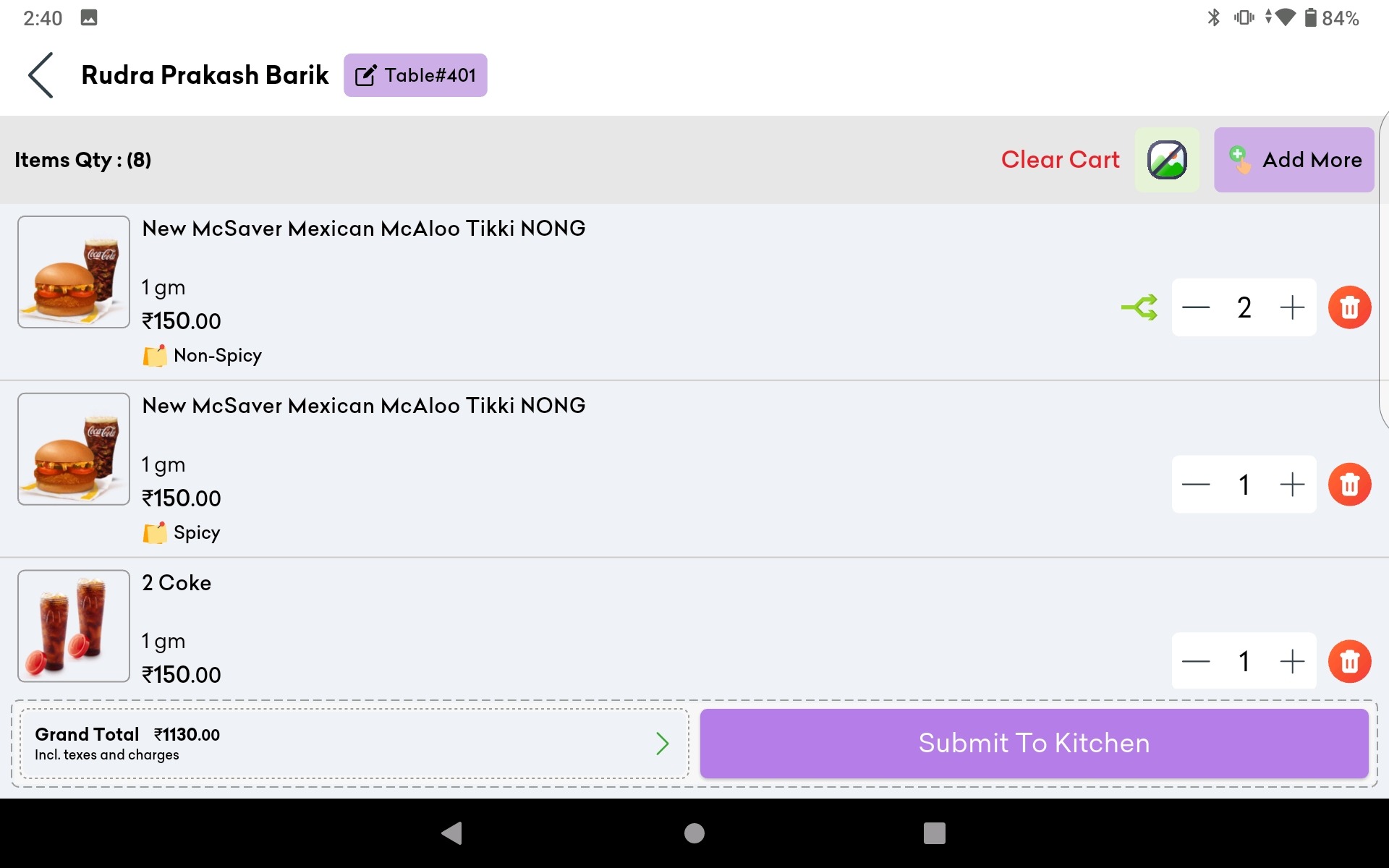
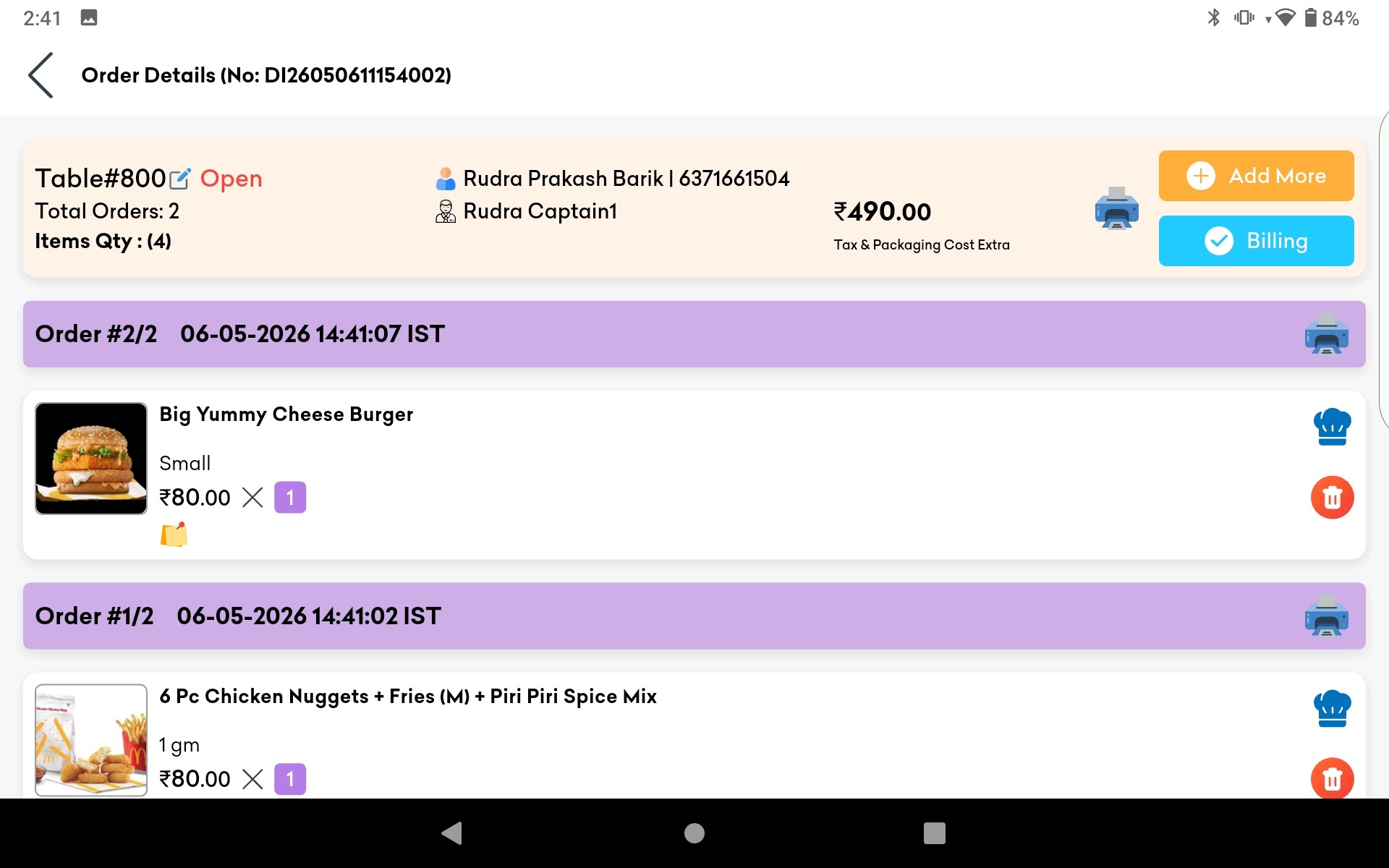
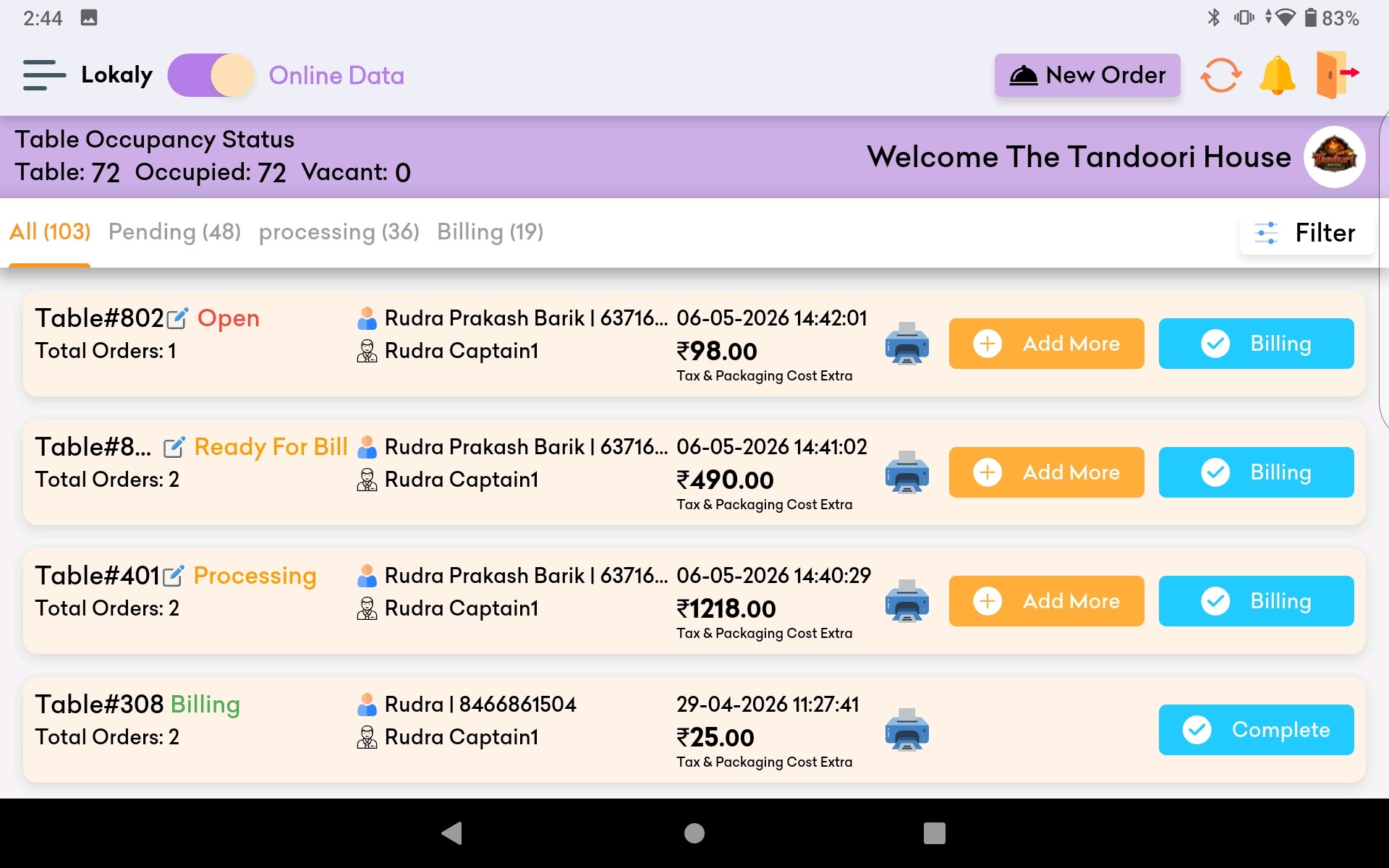
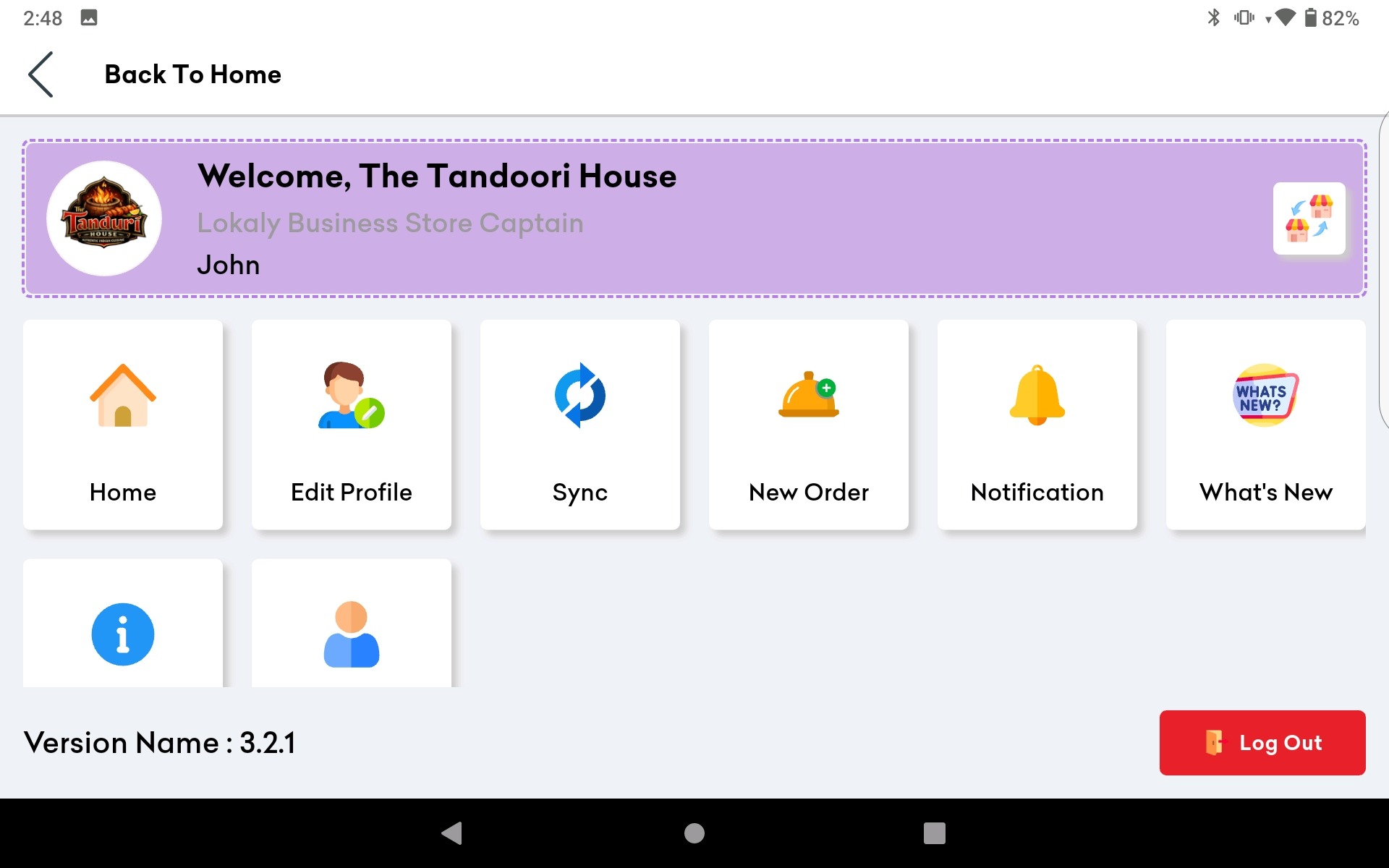
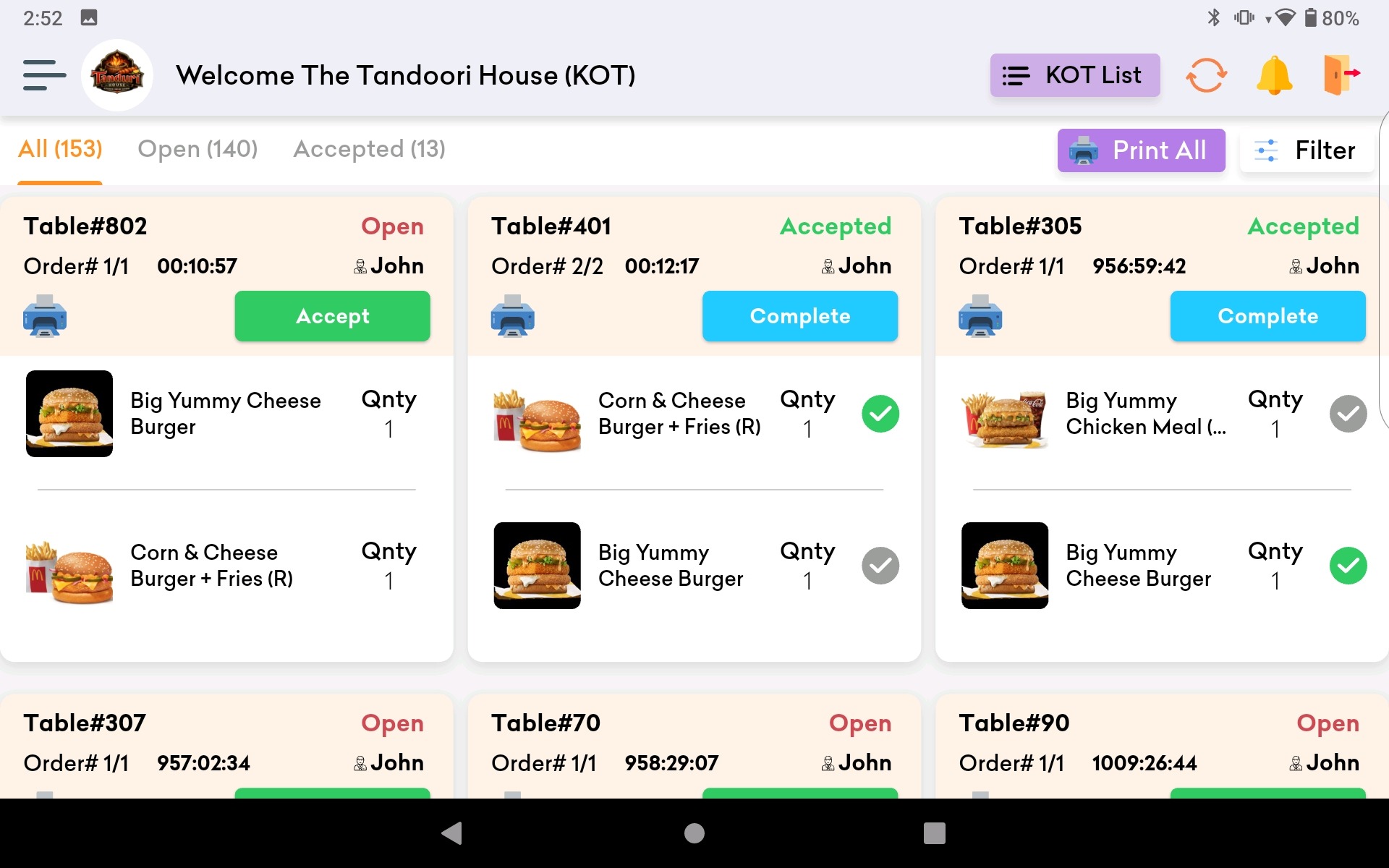
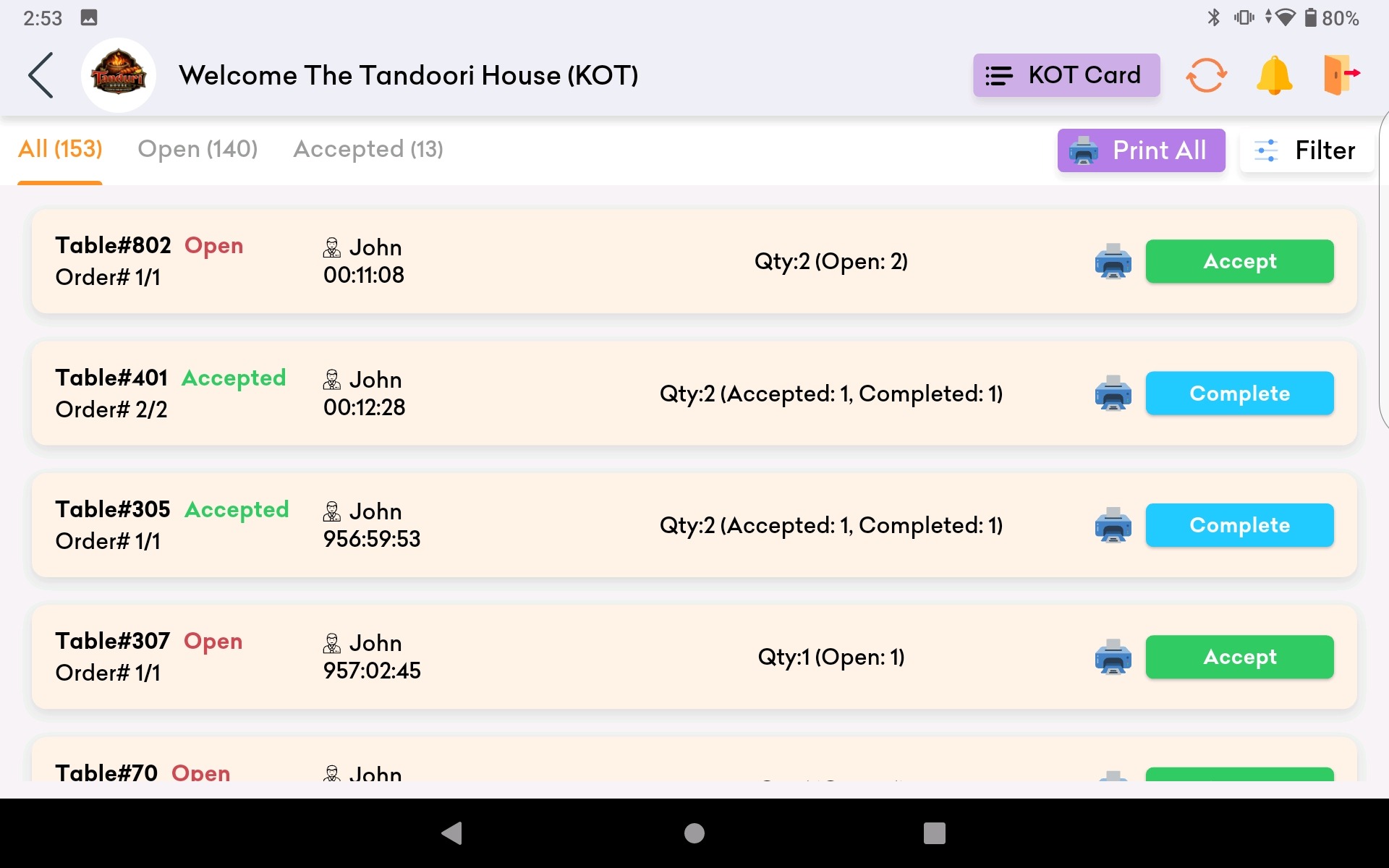
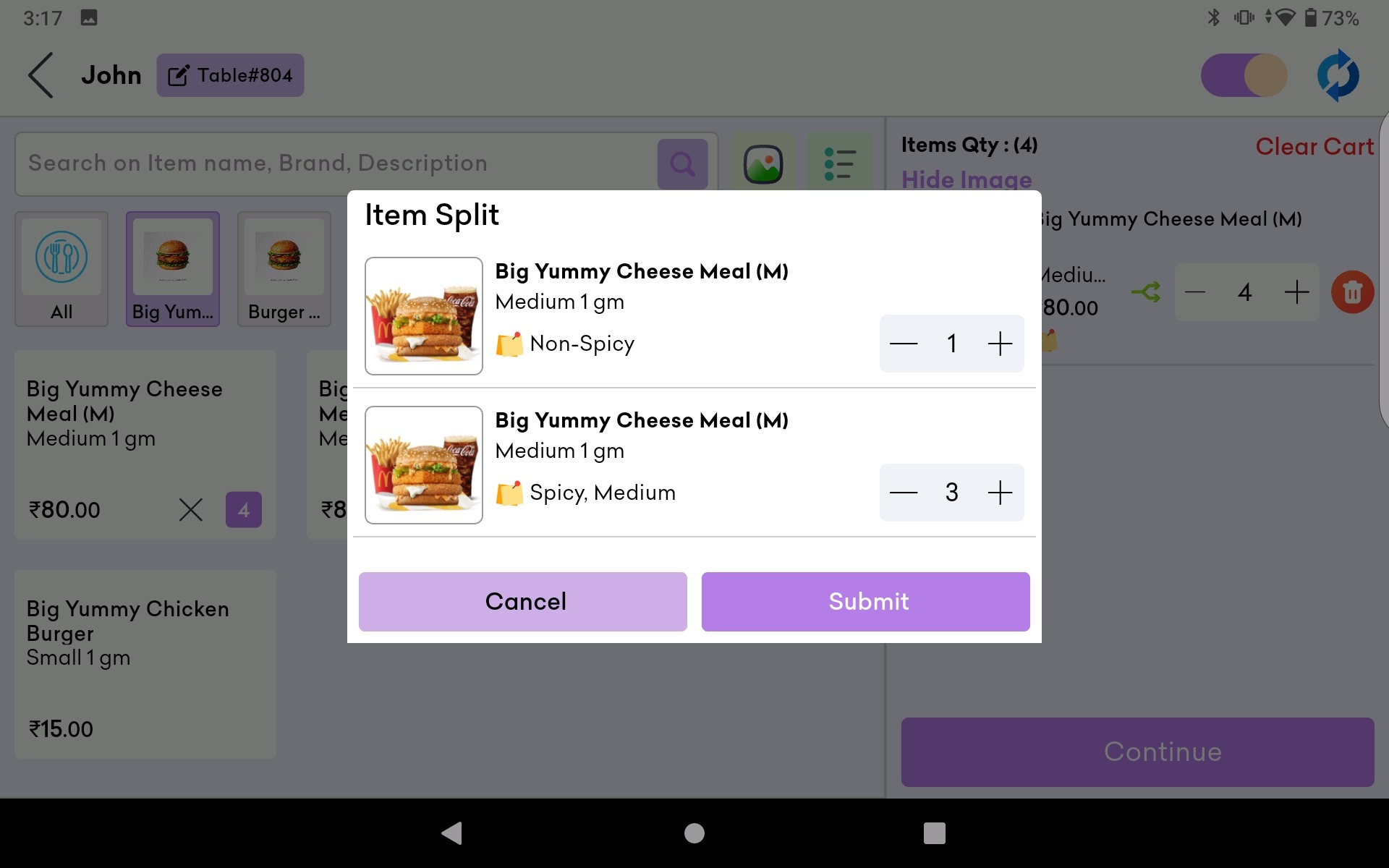
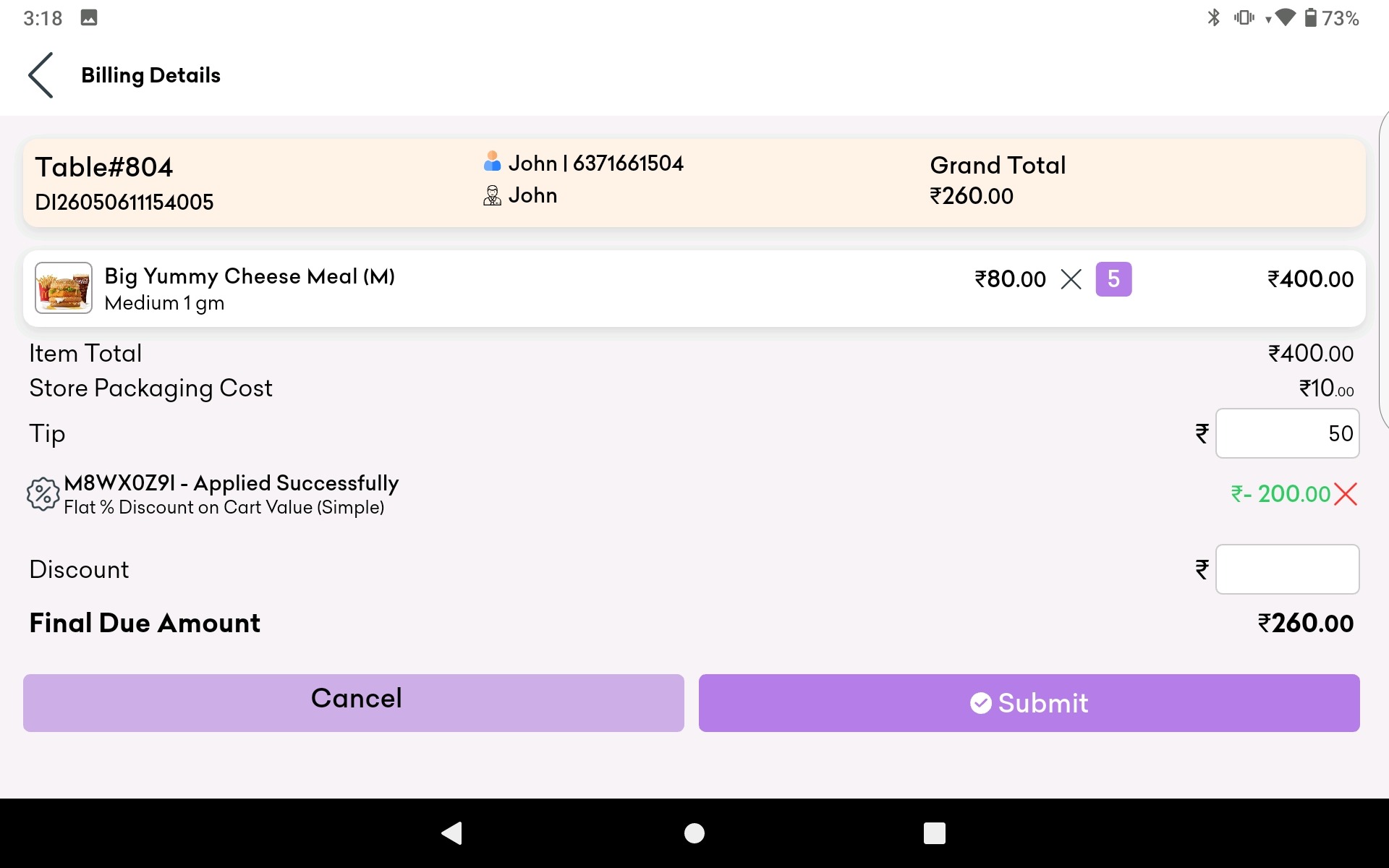
Loklay is exactly this kind of platform. It’s a white-label ecommerce platform for SMEs that gives you your own branded digital storefront — without requiring you to hire a development team or spend months on technical build-out. You get a direct ordering app for retailers that’s ready to go, customized to your brand, and fully yours to operate.
The question isn’t whether to go digital. You already know you must. The real question is: who owns that digital relationship — you or the platform?
Seven Reasons SMEs Are Switching to Loklay
You stop paying delivery app commissions — permanently
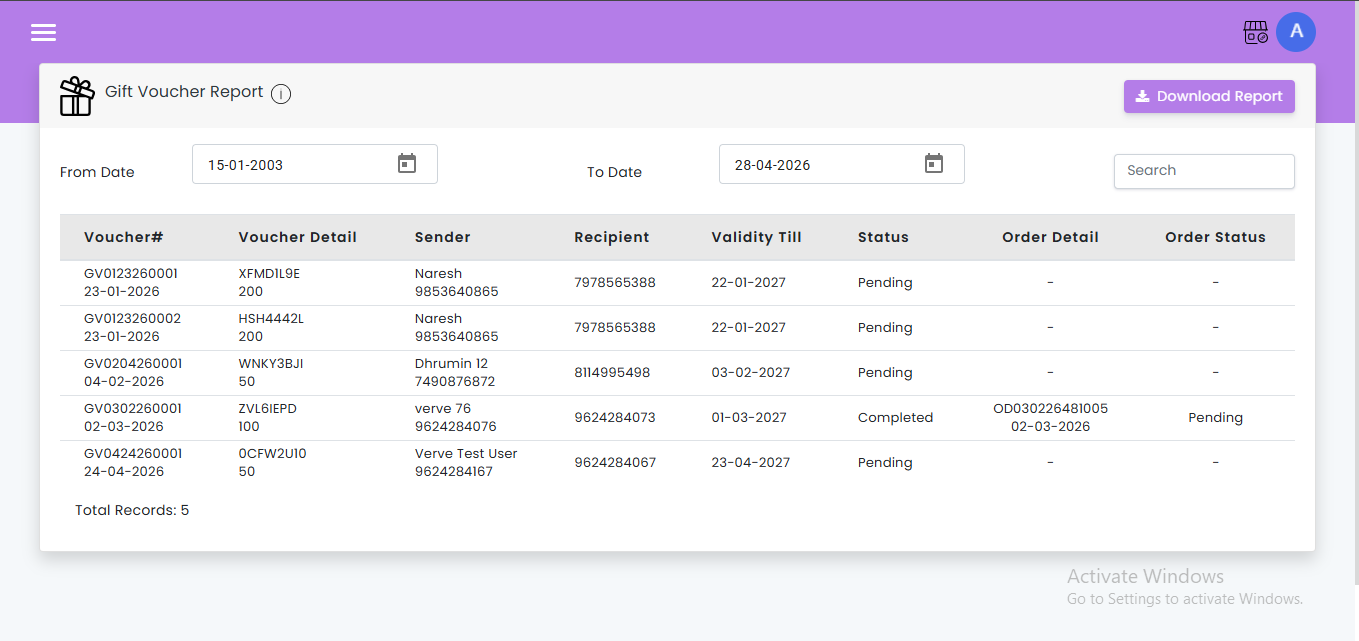
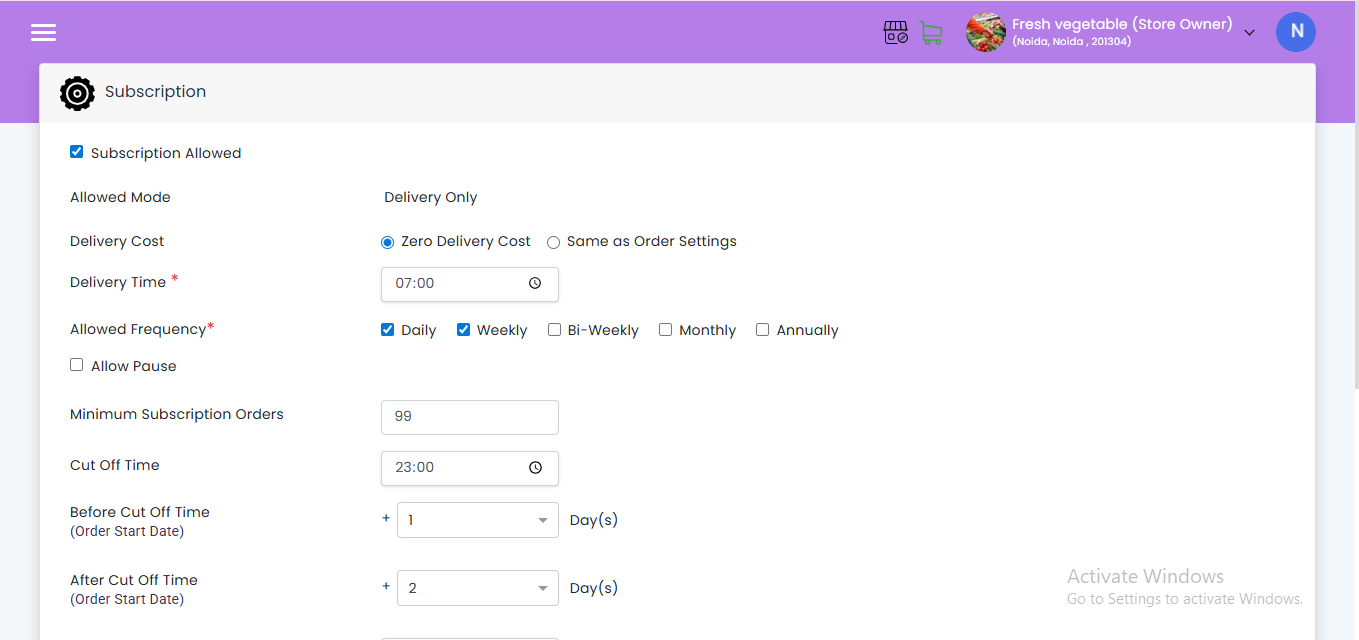
This is the most immediate, tangible benefit. Loklay works on a subscription model. You pay a predictable monthly fee and keep every rupee from every order. There’s no per-transaction cut going to a third party. For a business doing consistent volume, the savings compound fast. In the first year alone, most businesses recover far more than their subscription cost just from commissions they no longer pay.
Your brand gets the spotlight it deserves
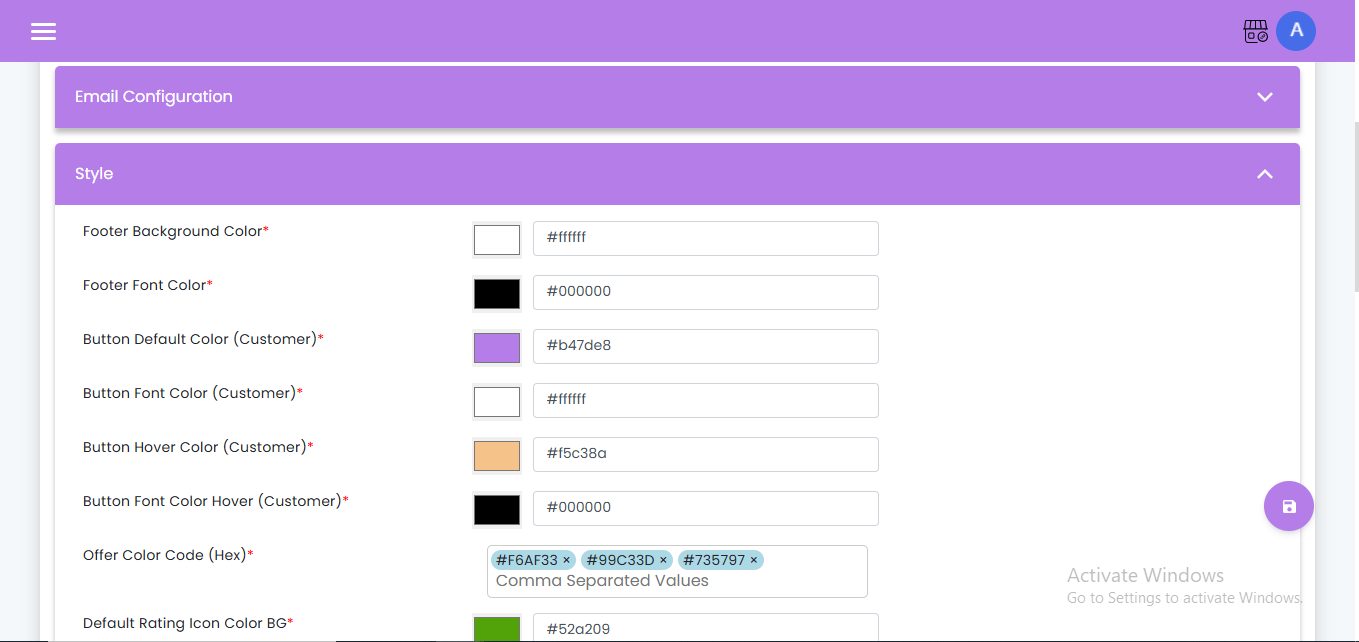
With your own branded delivery app, every touchpoint — the app icon on a customer’s phone, the order confirmation message, the packaging slip — carries your identity. This is how you build loyalty that actually sticks. Not loyalty to a platform. Loyalty to you. Over time, that difference is worth more than any marketing campaign.
You can build your own ordering app without coding
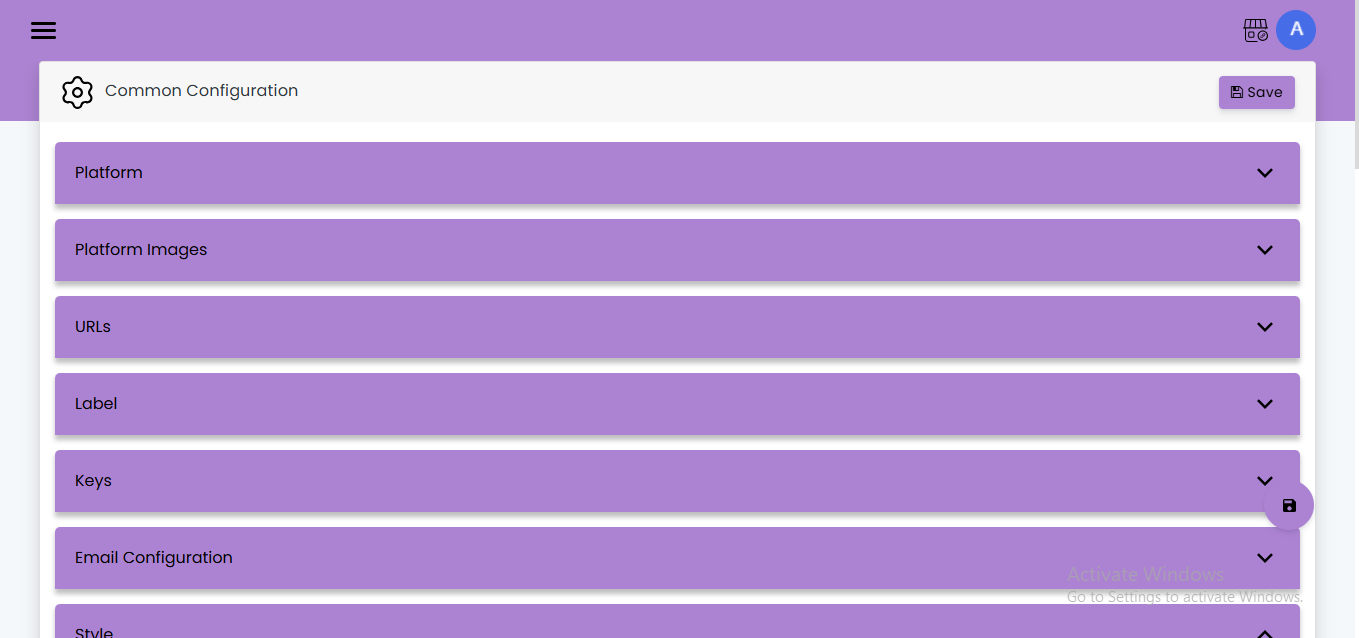
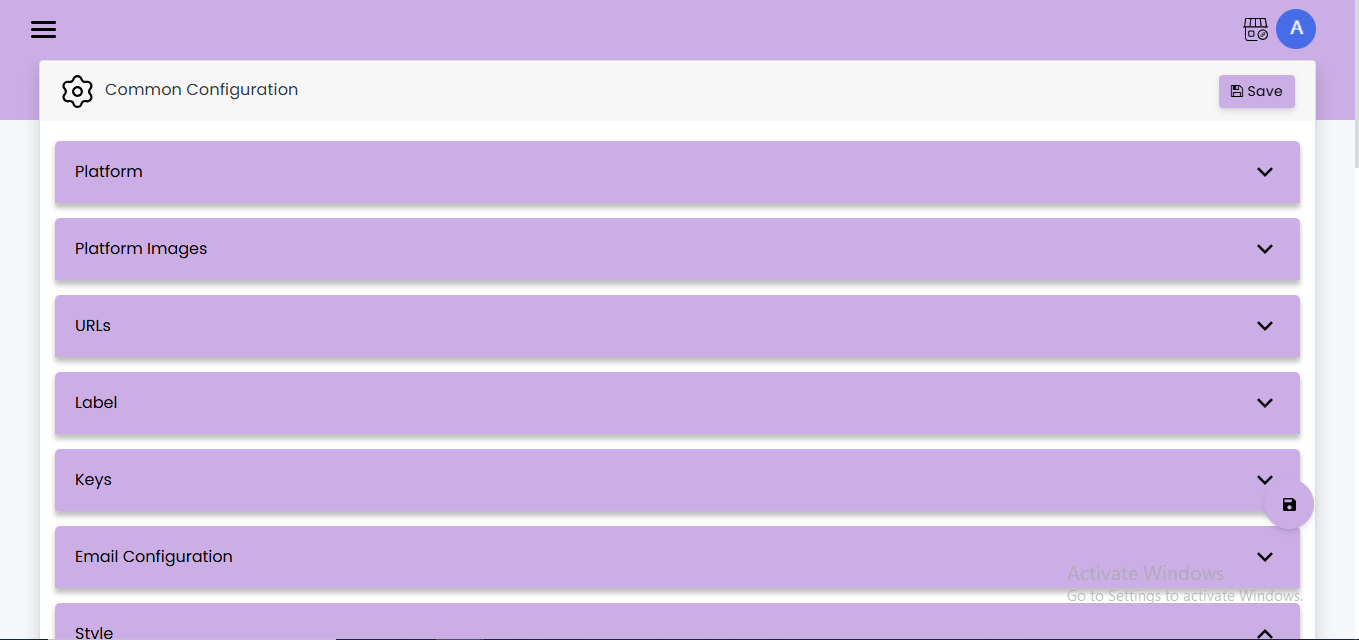
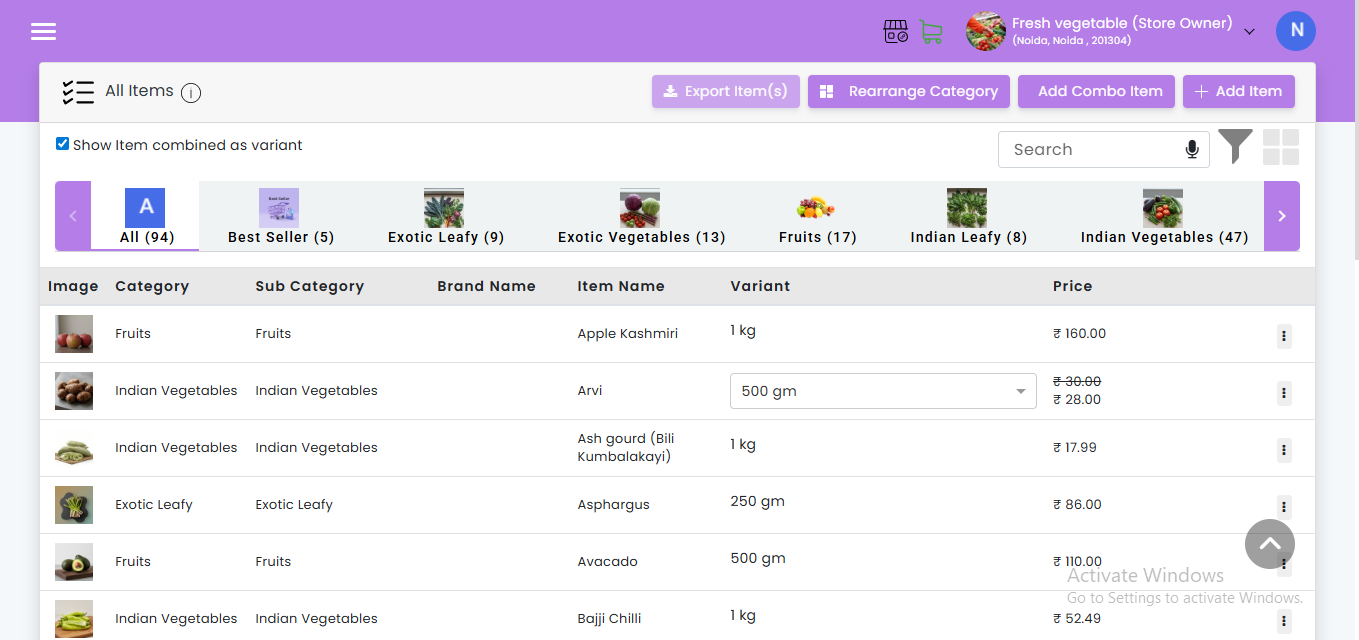
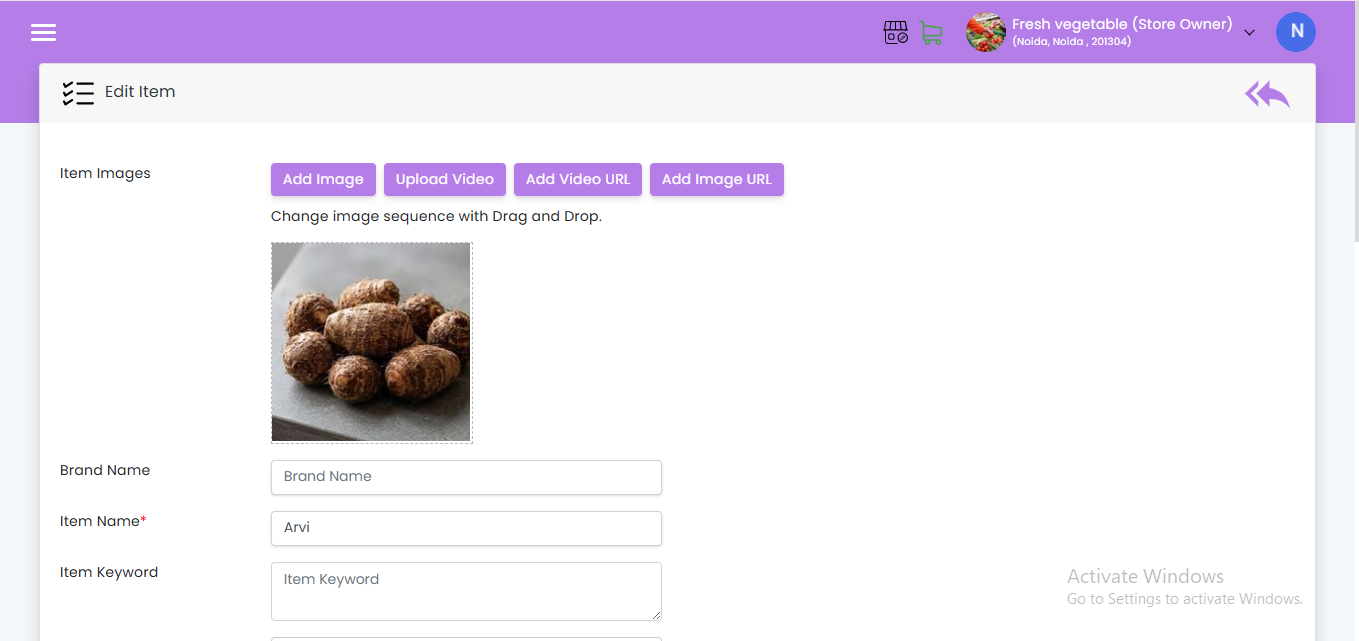
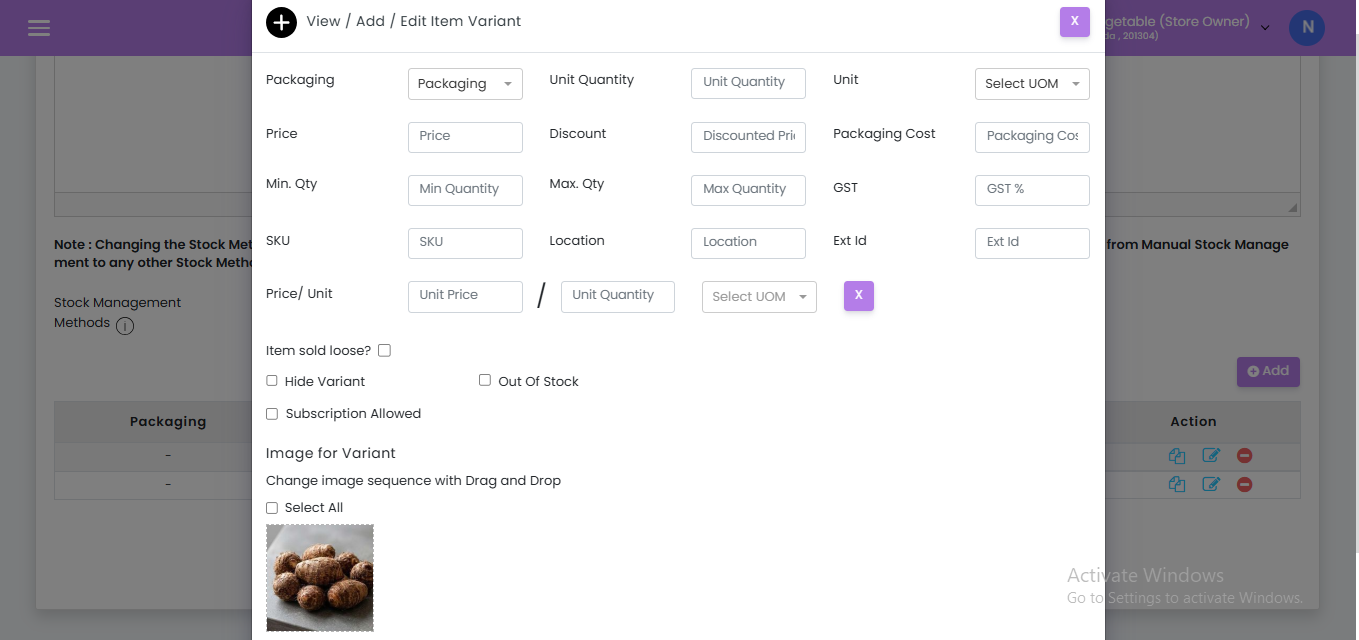
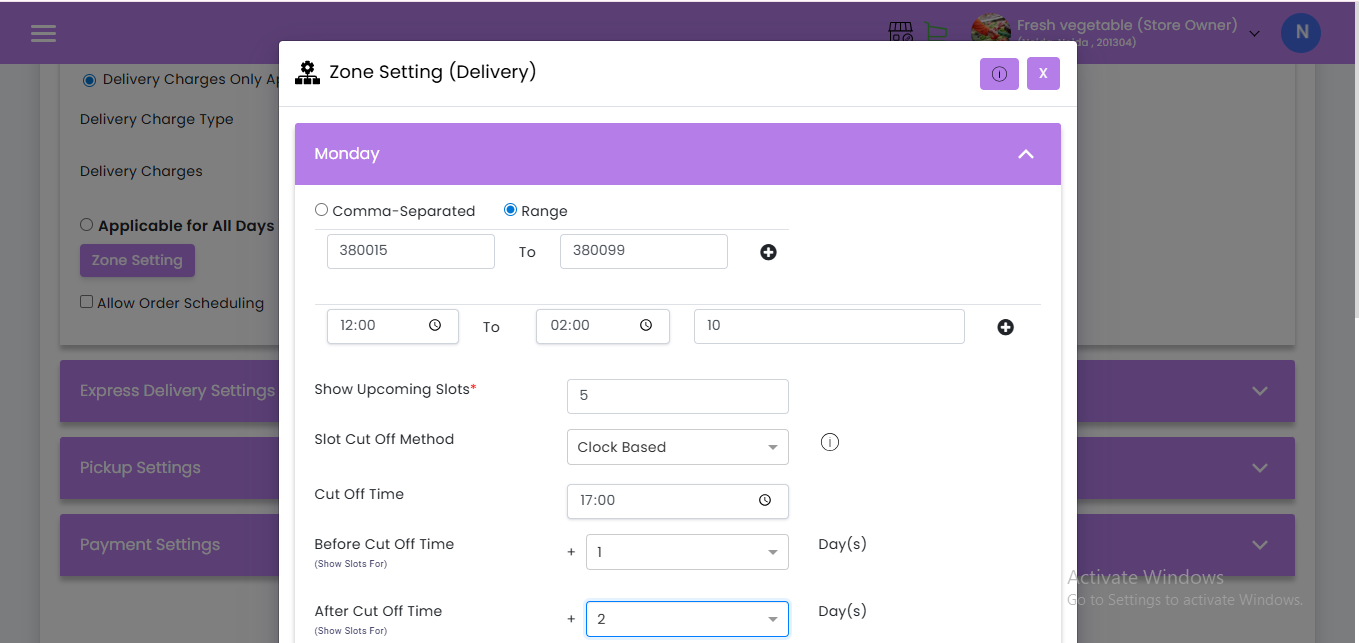
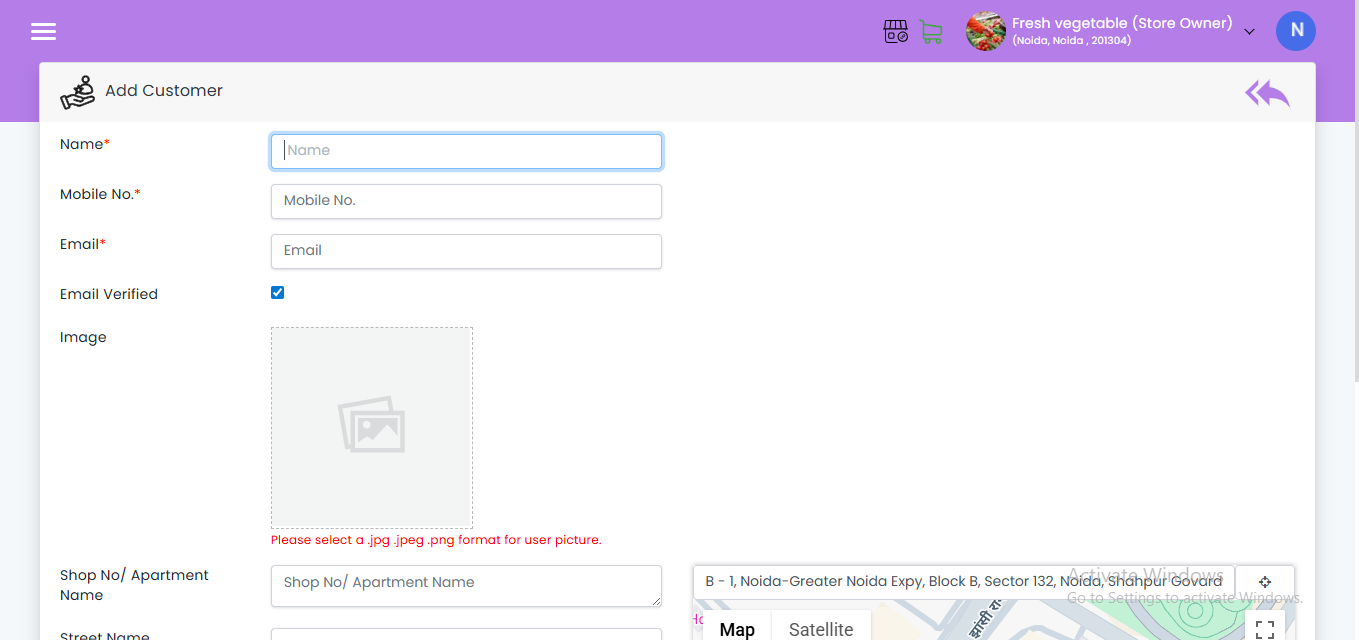
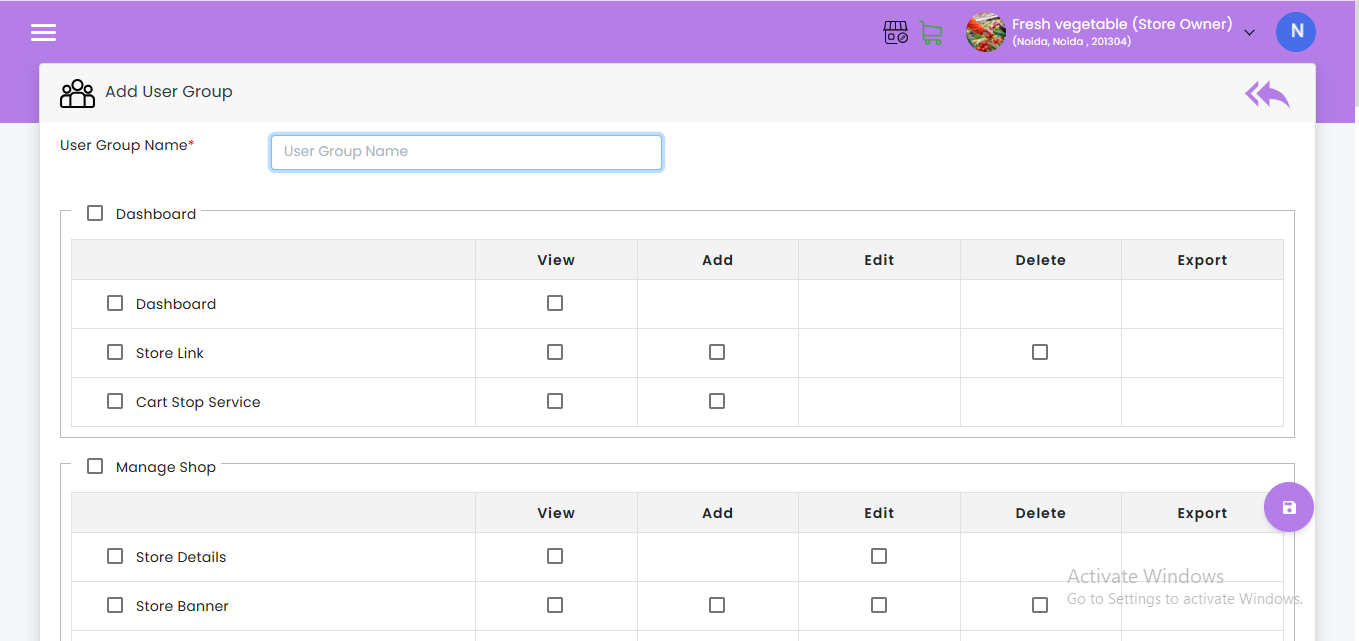
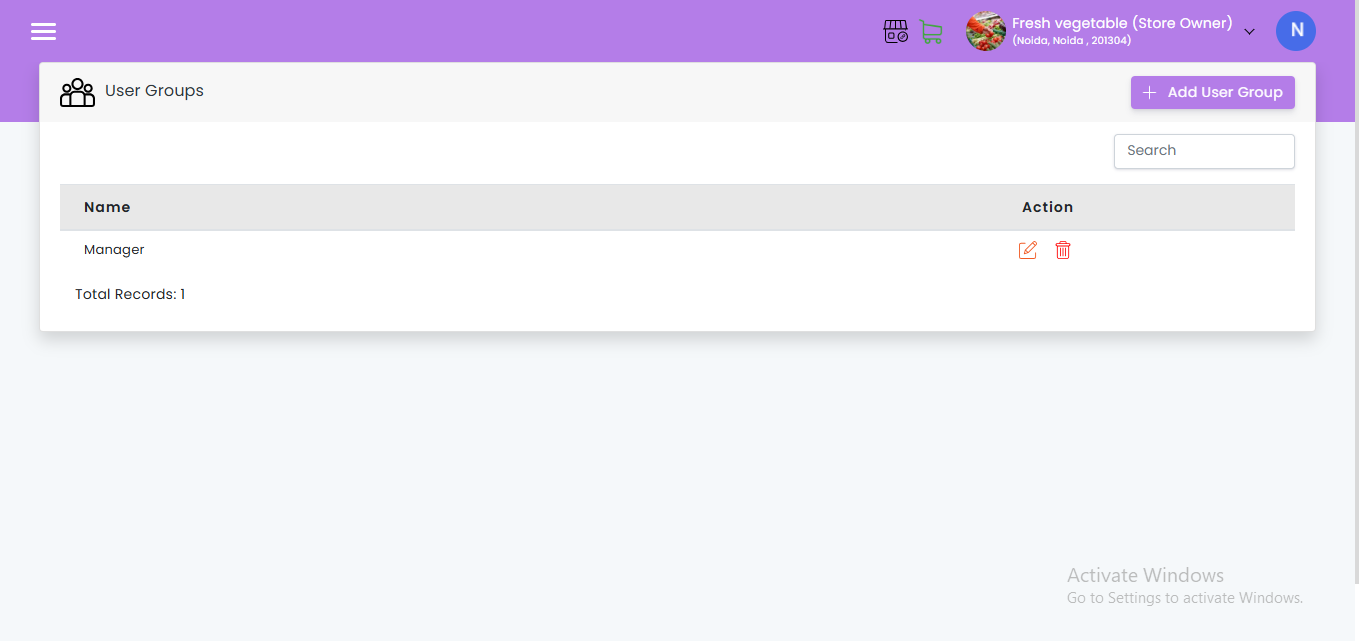
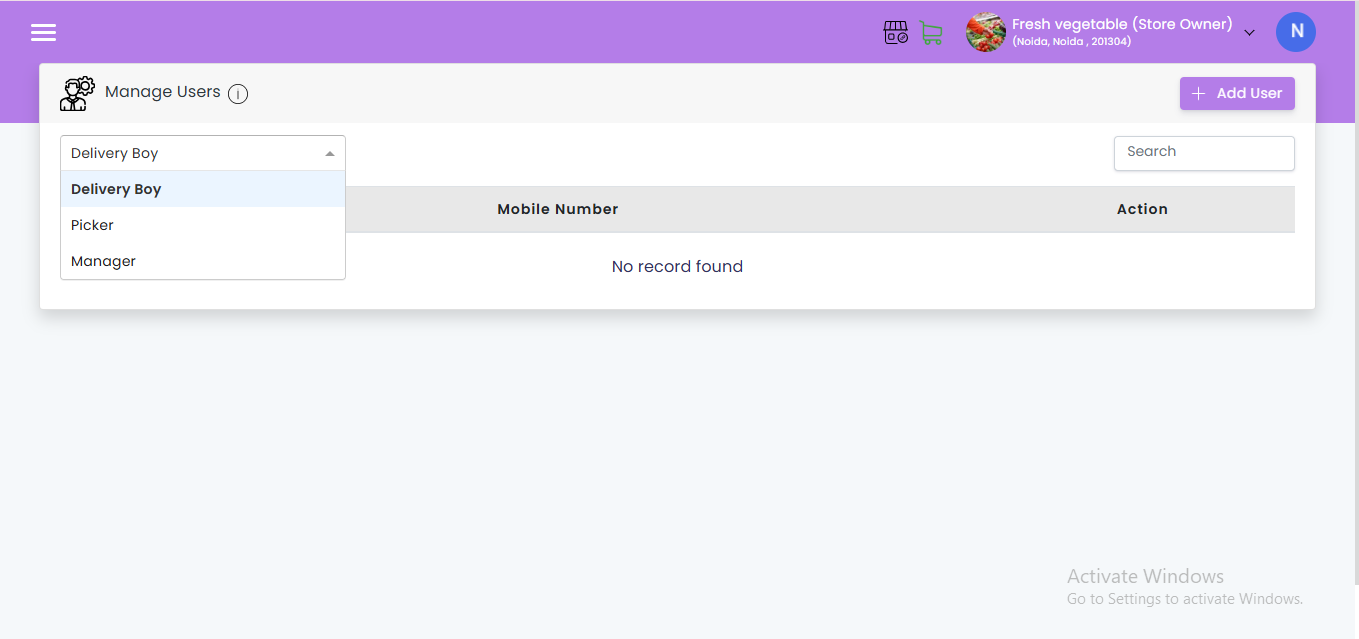
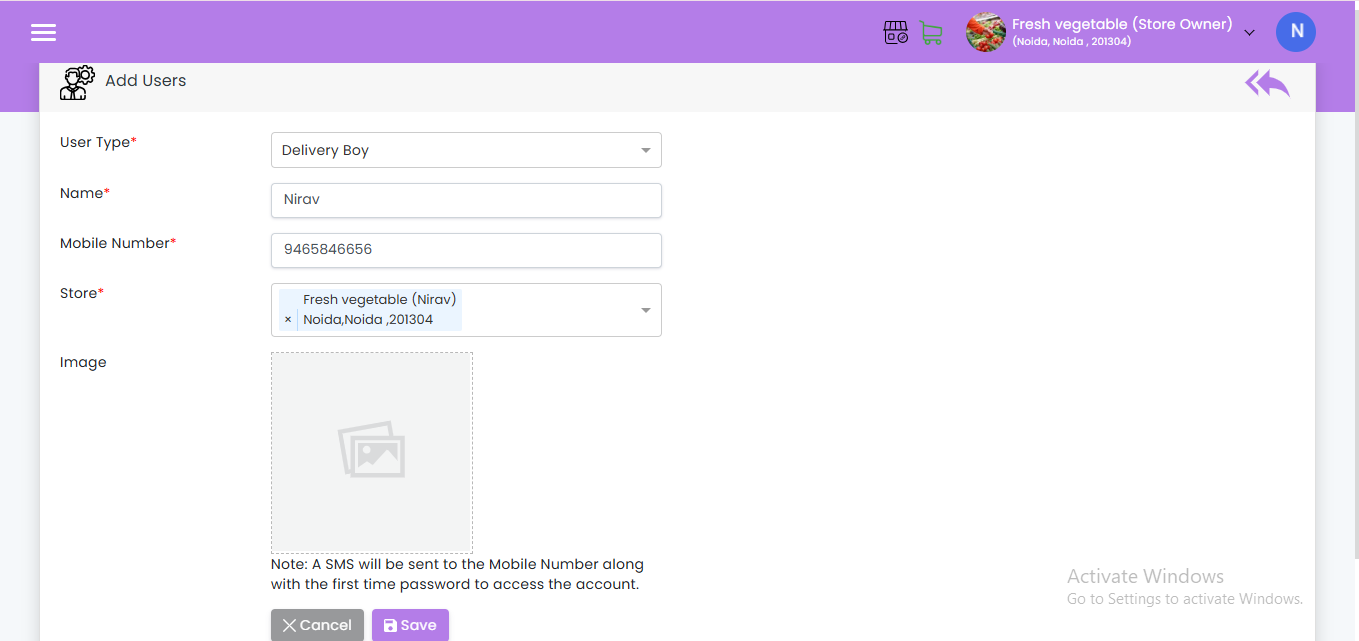
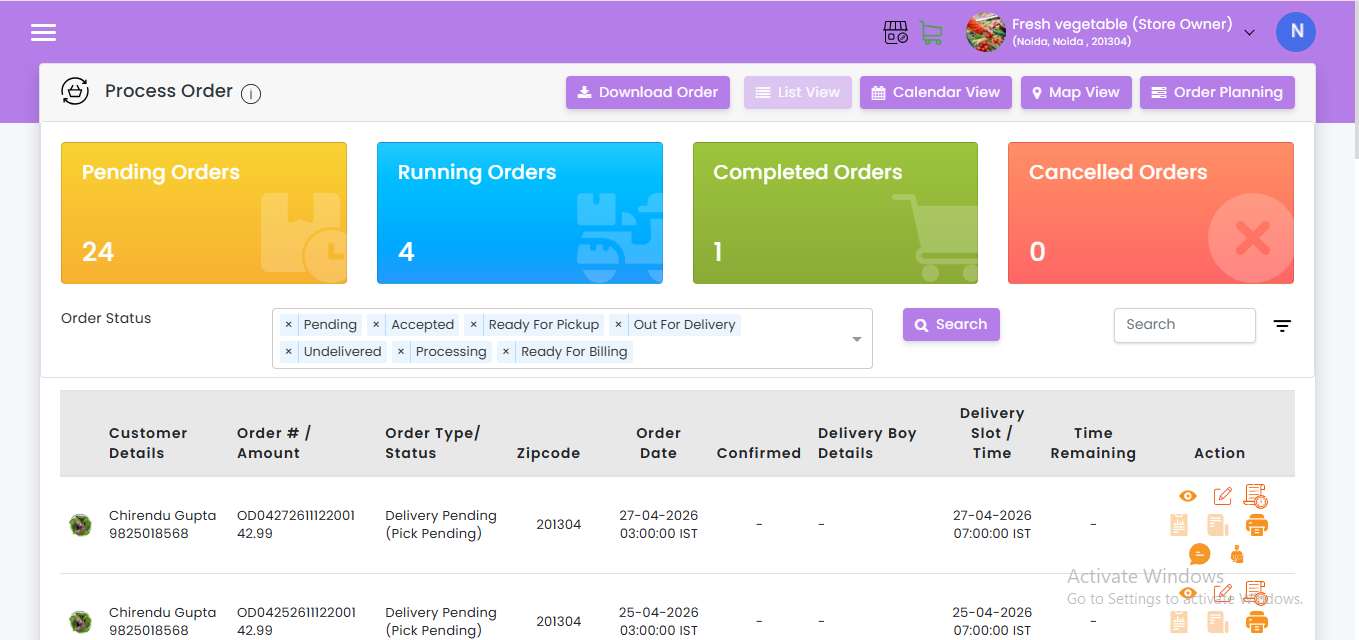
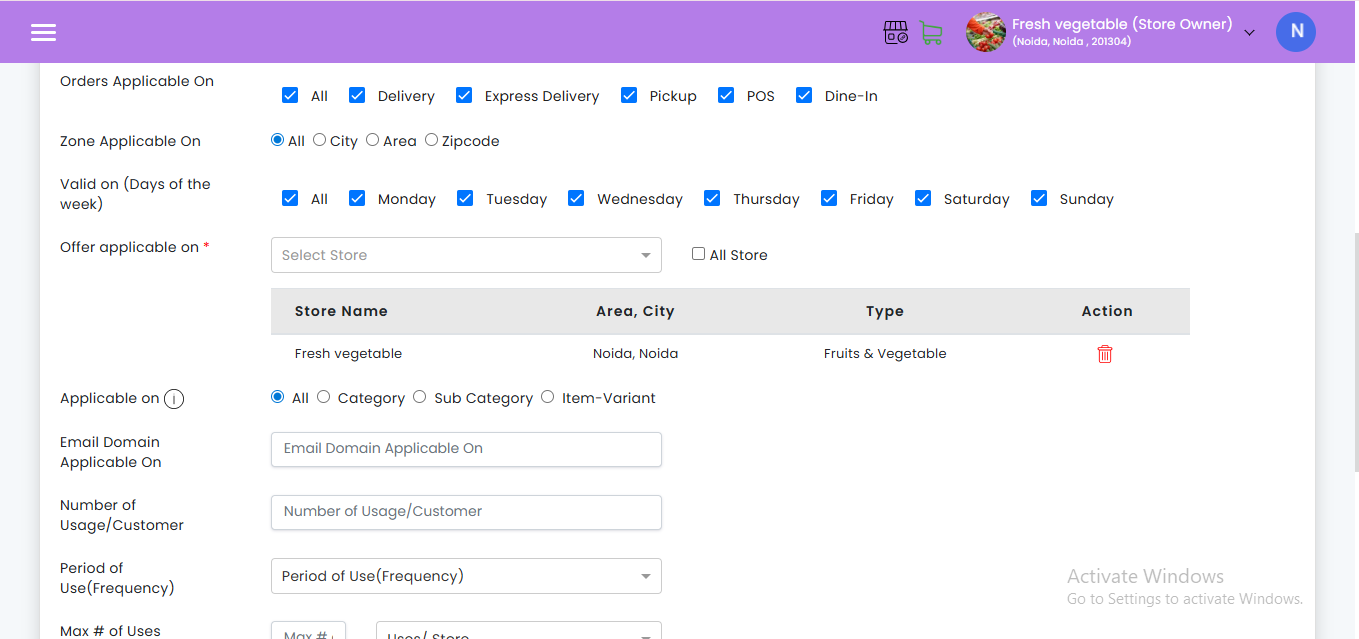
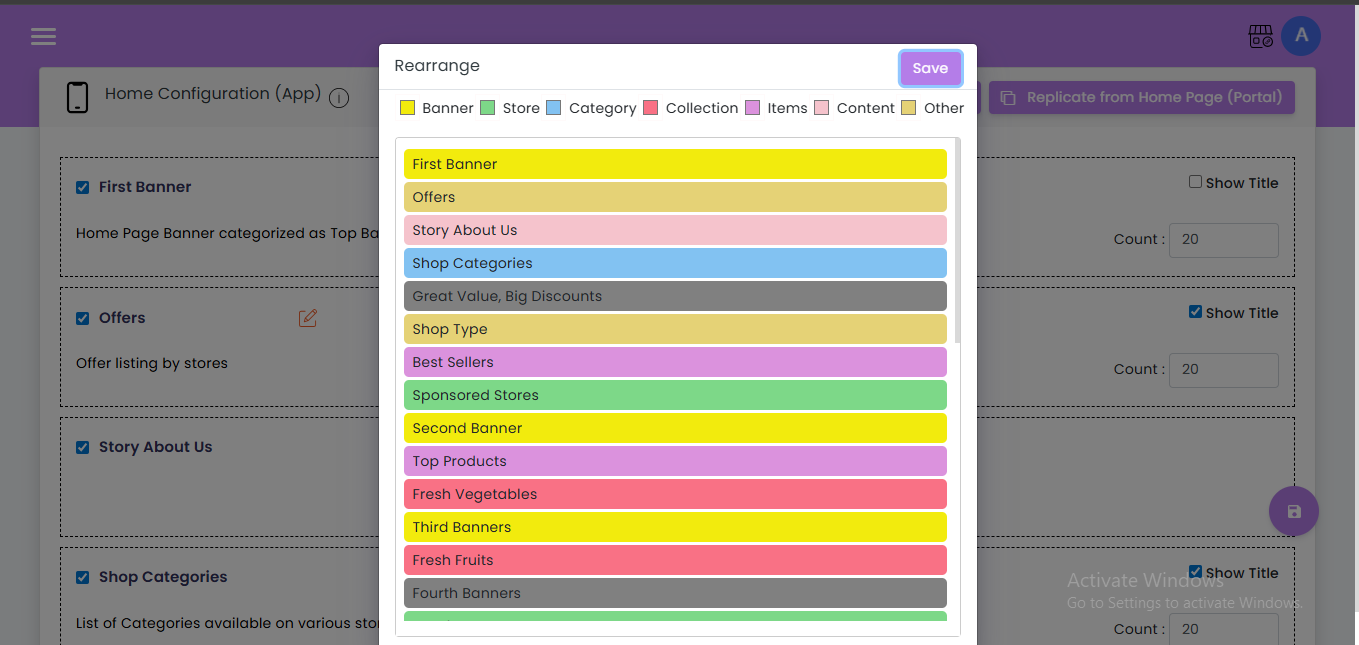
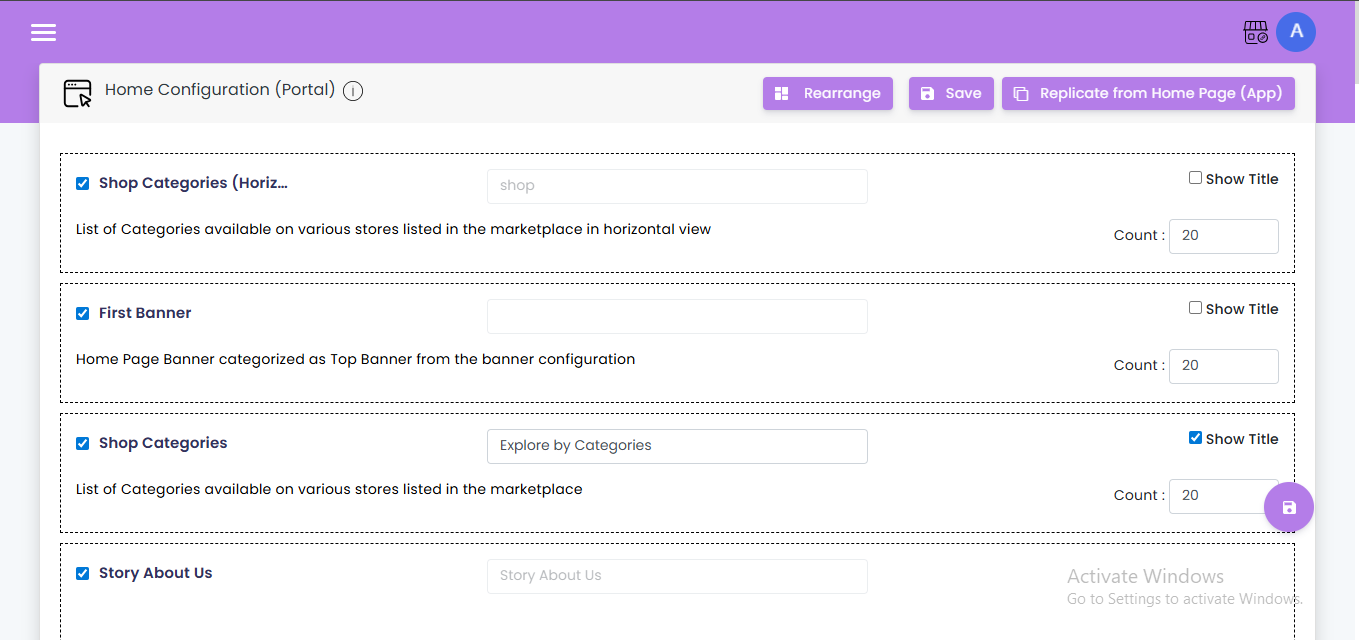
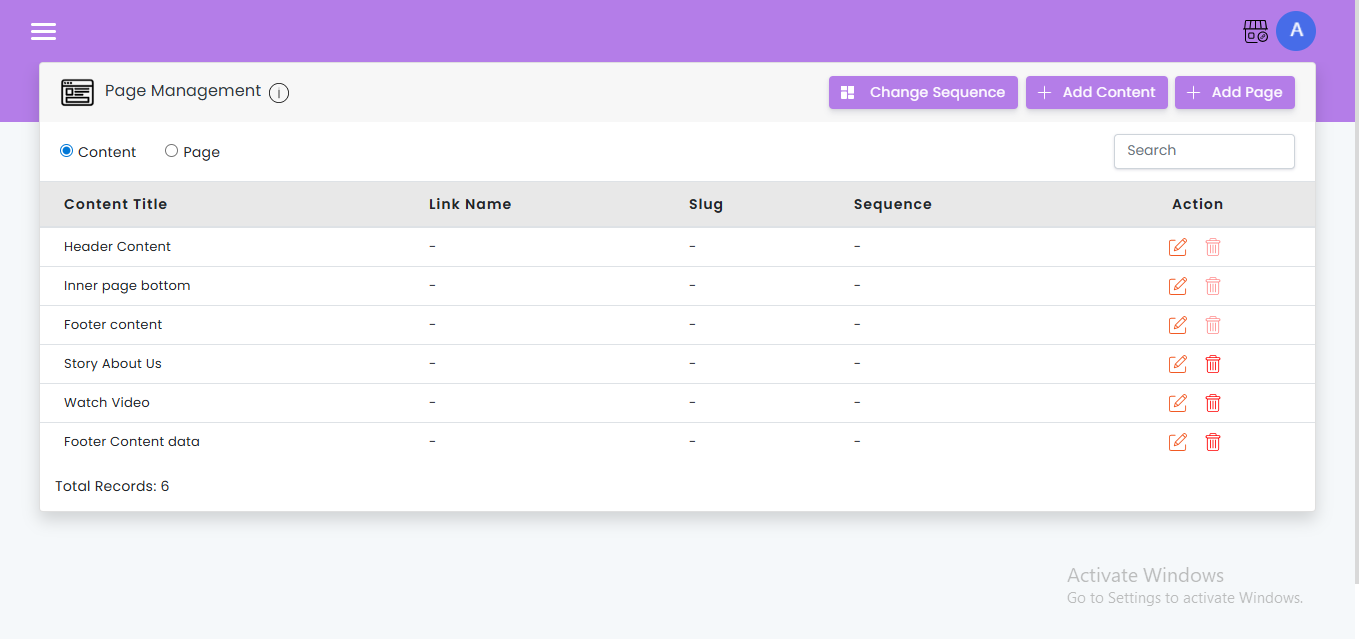
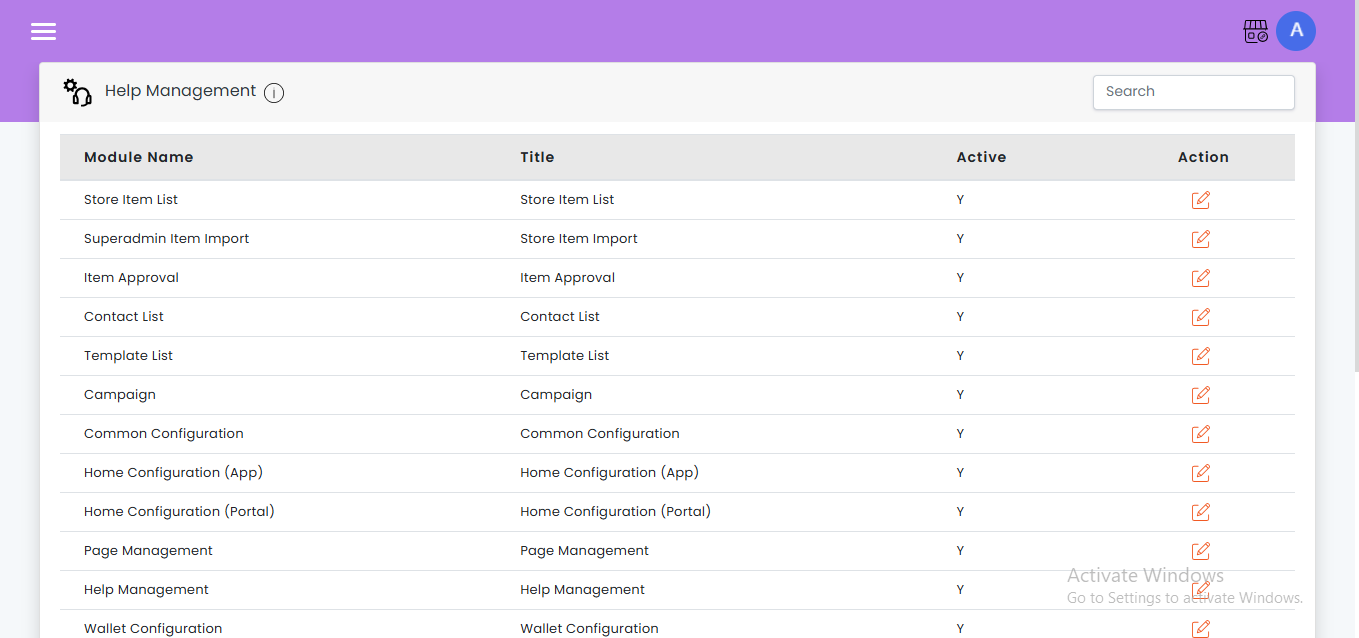
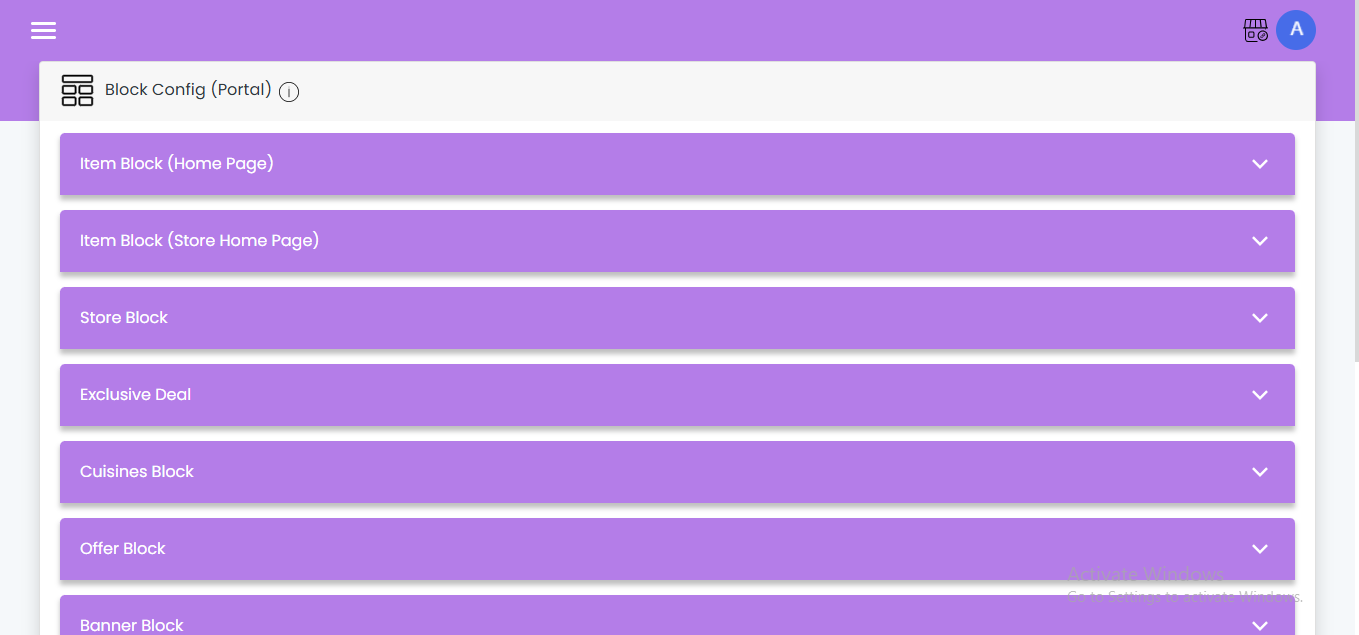
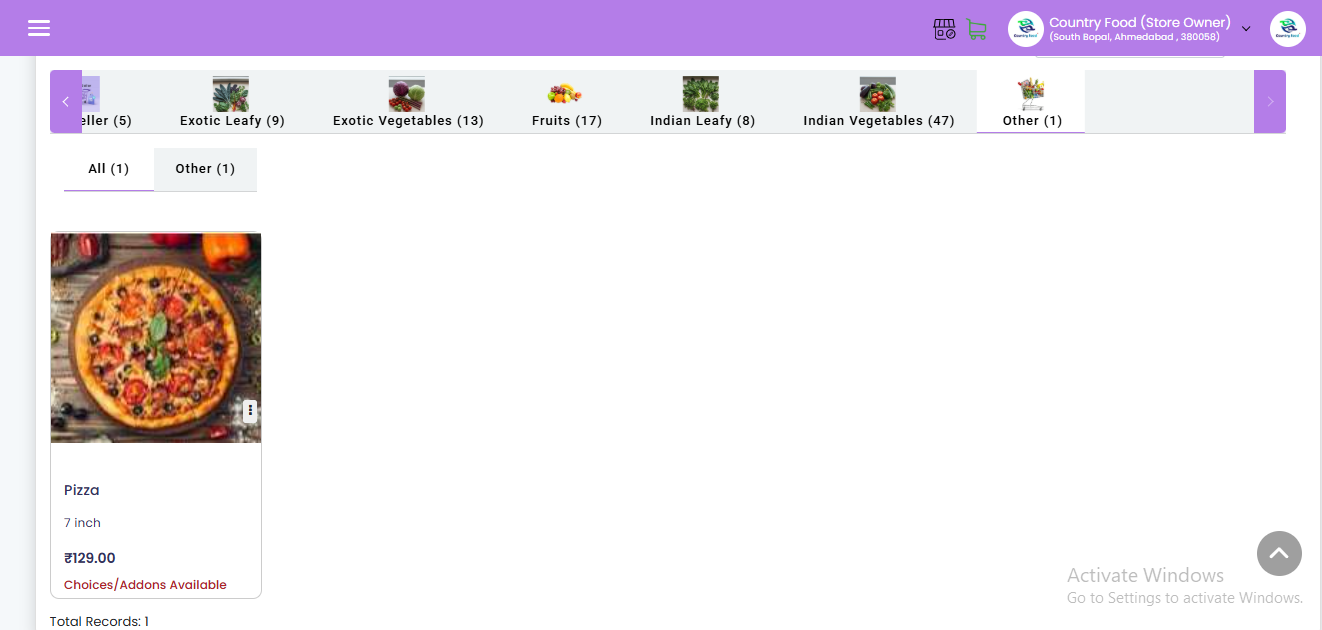
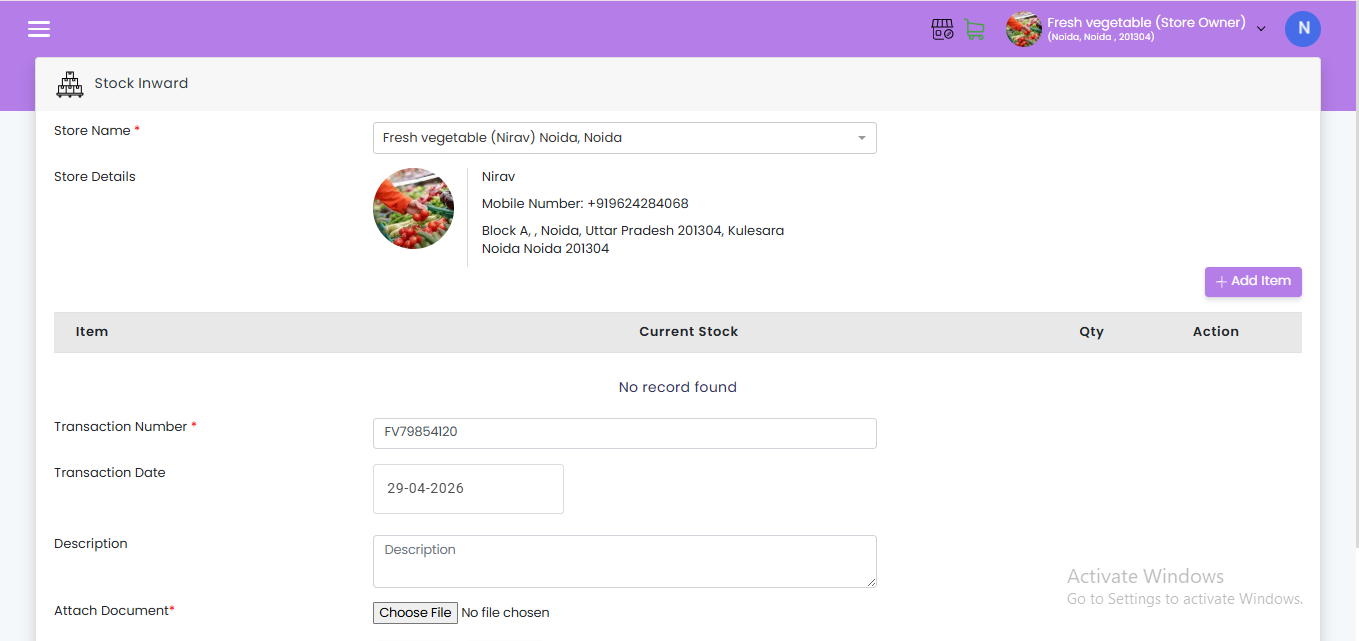
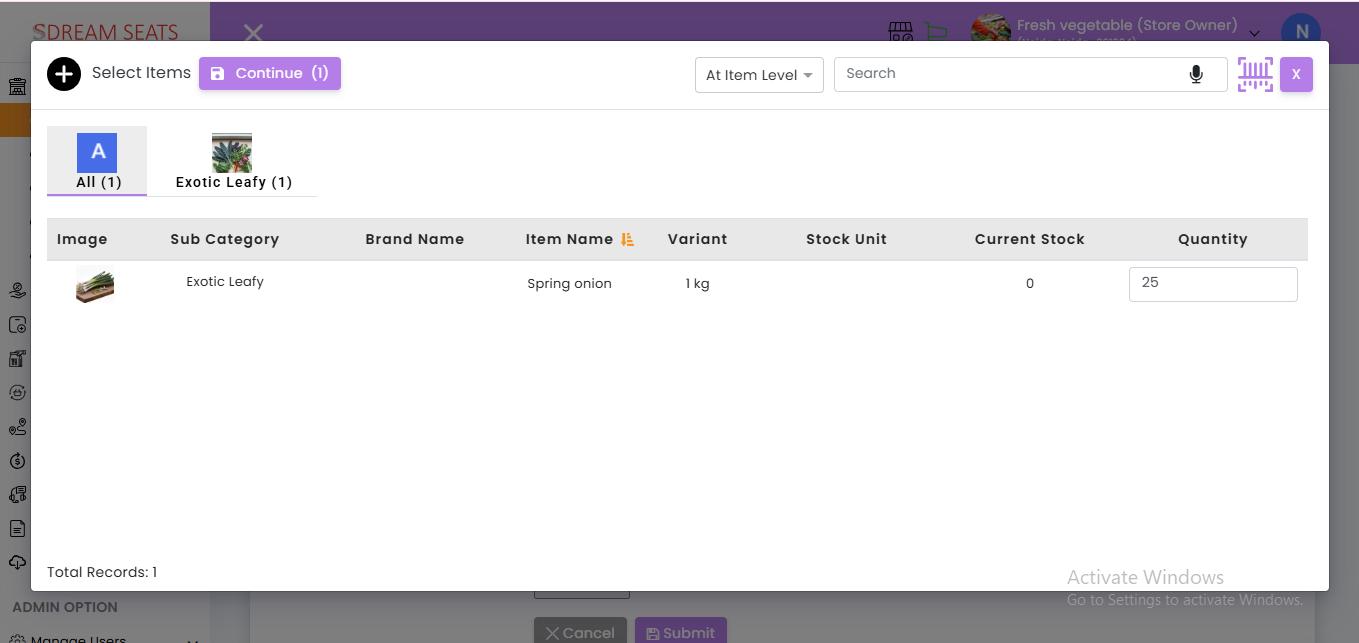
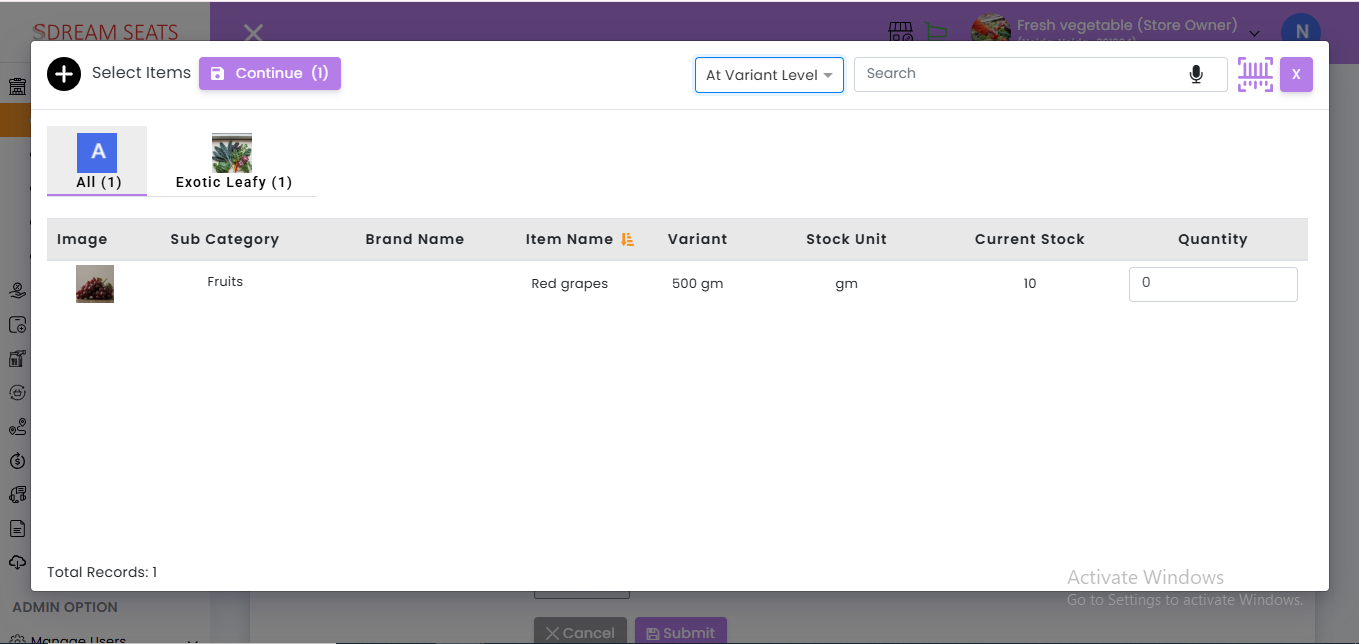
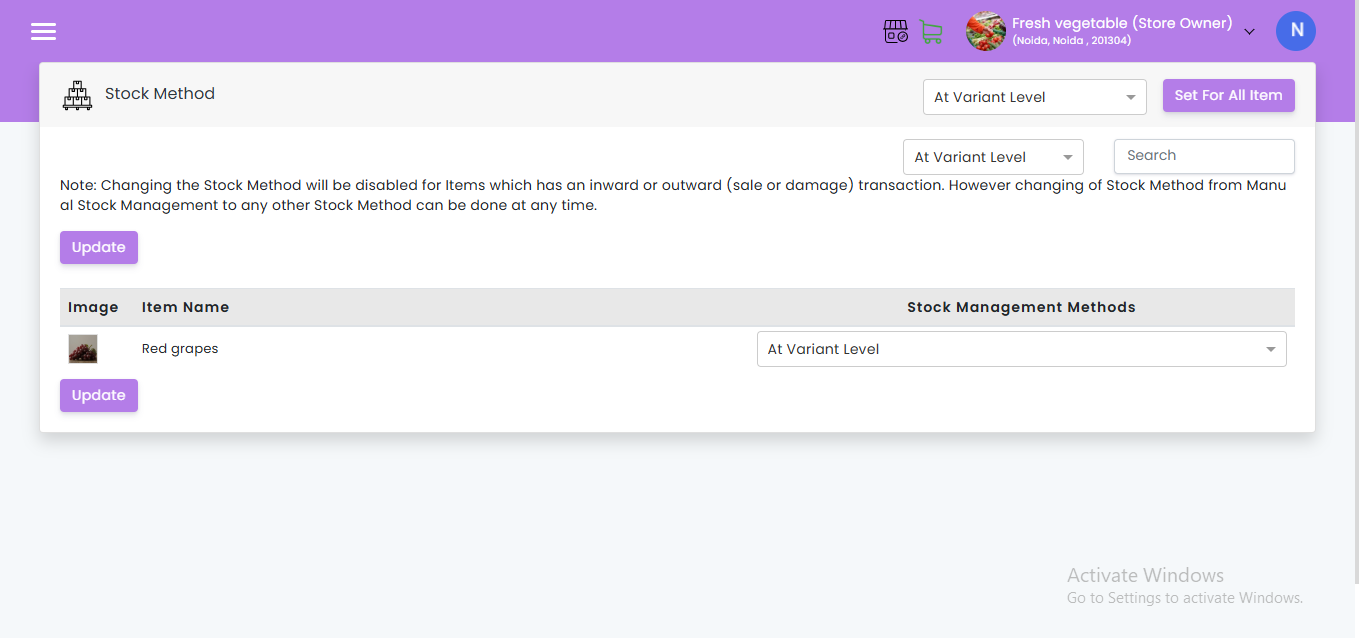
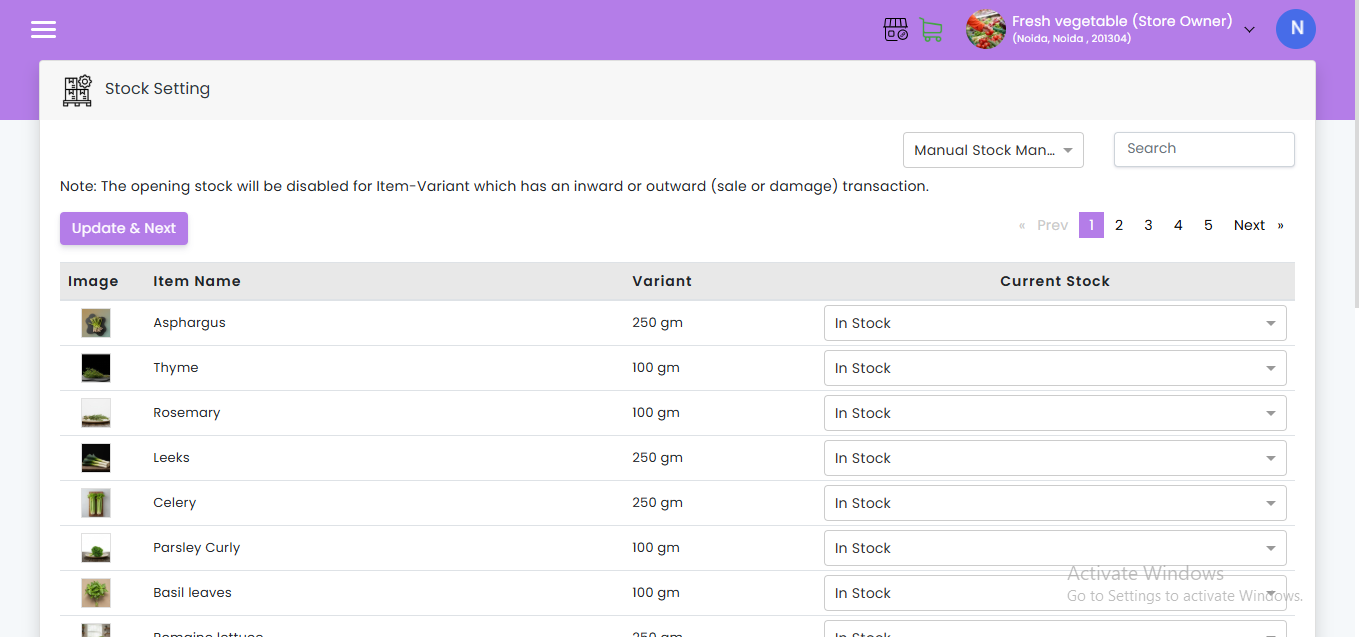
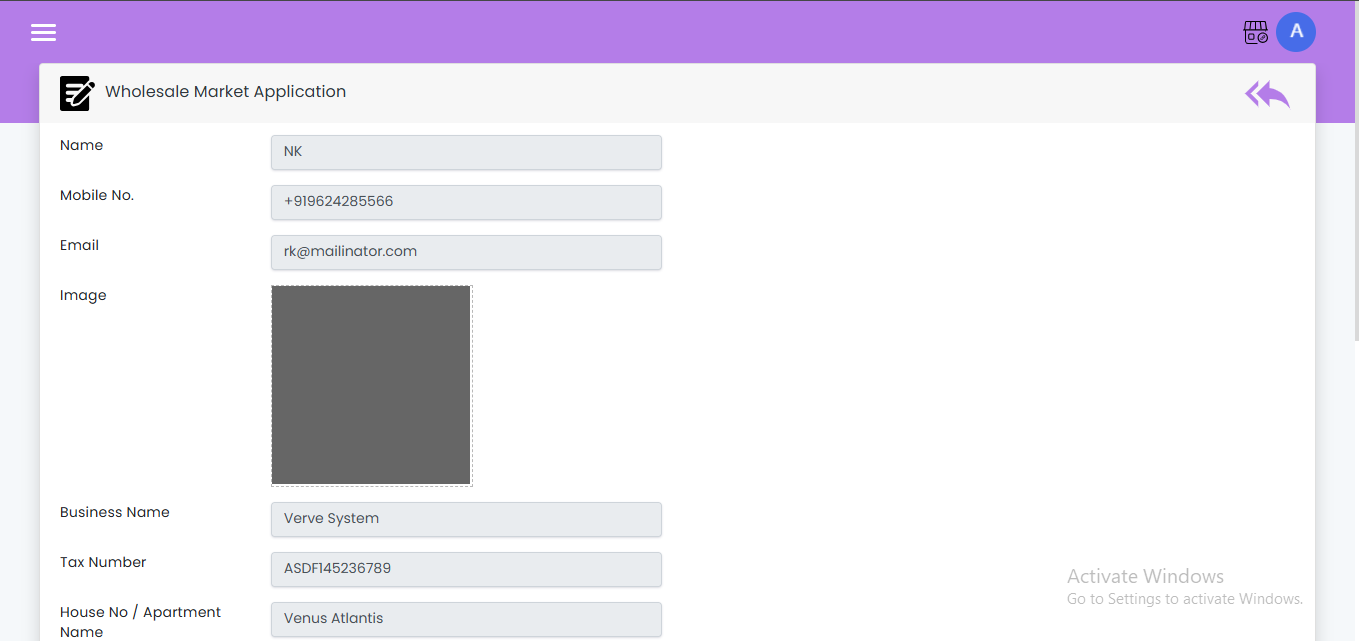
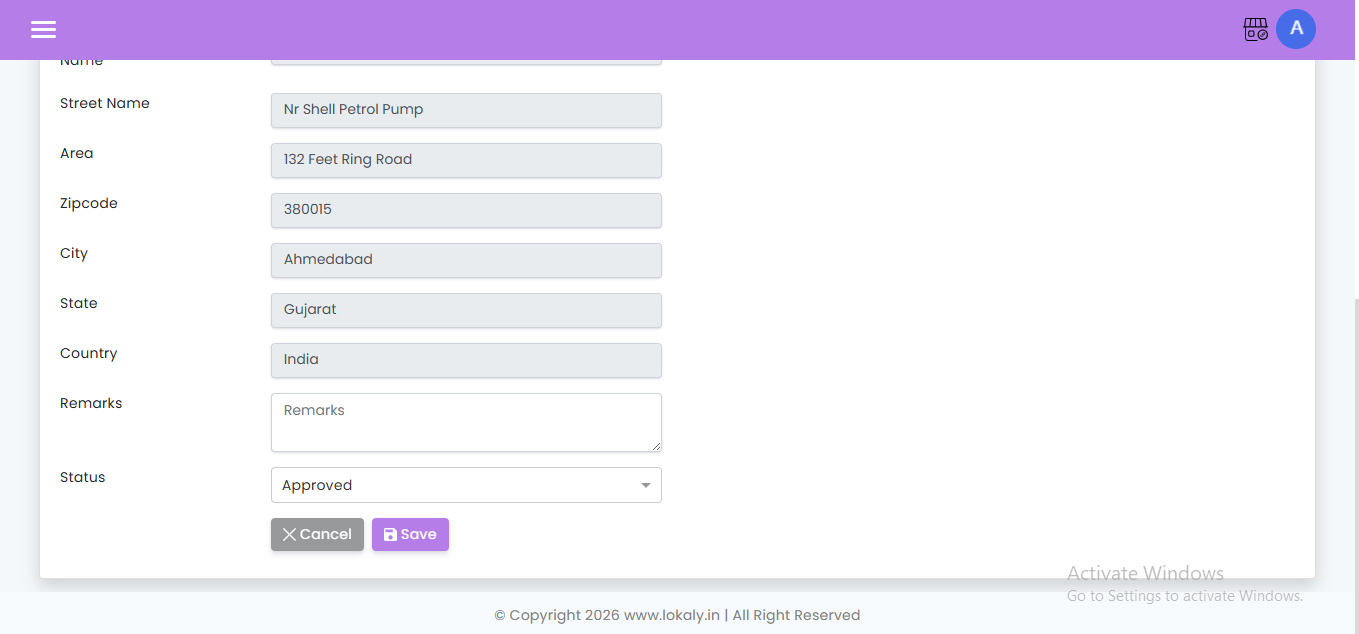
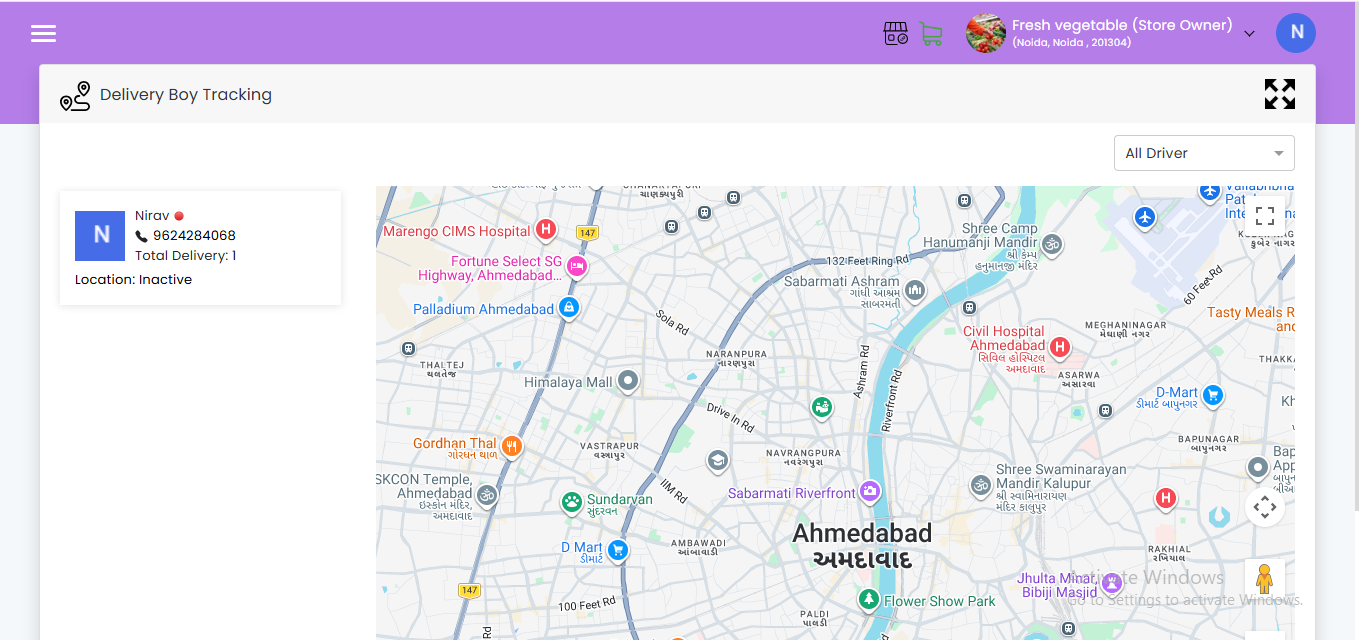
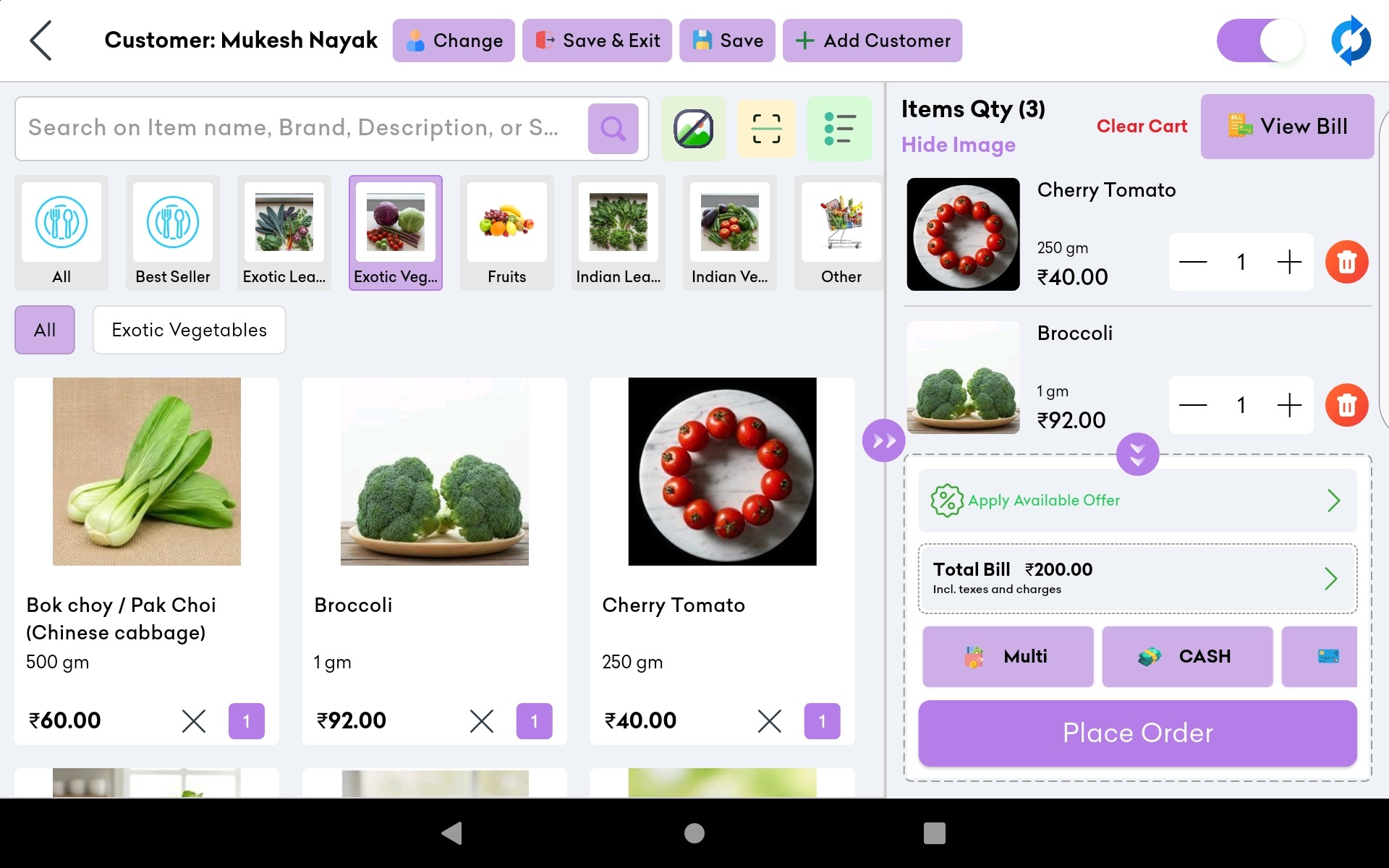
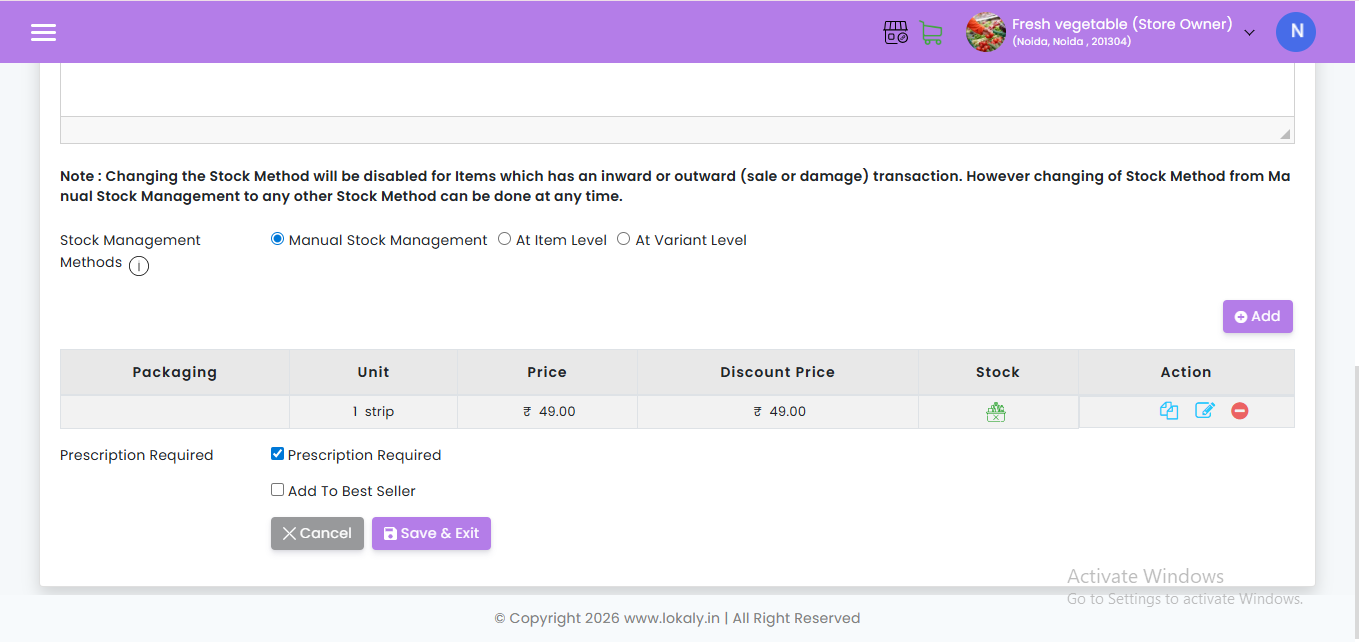
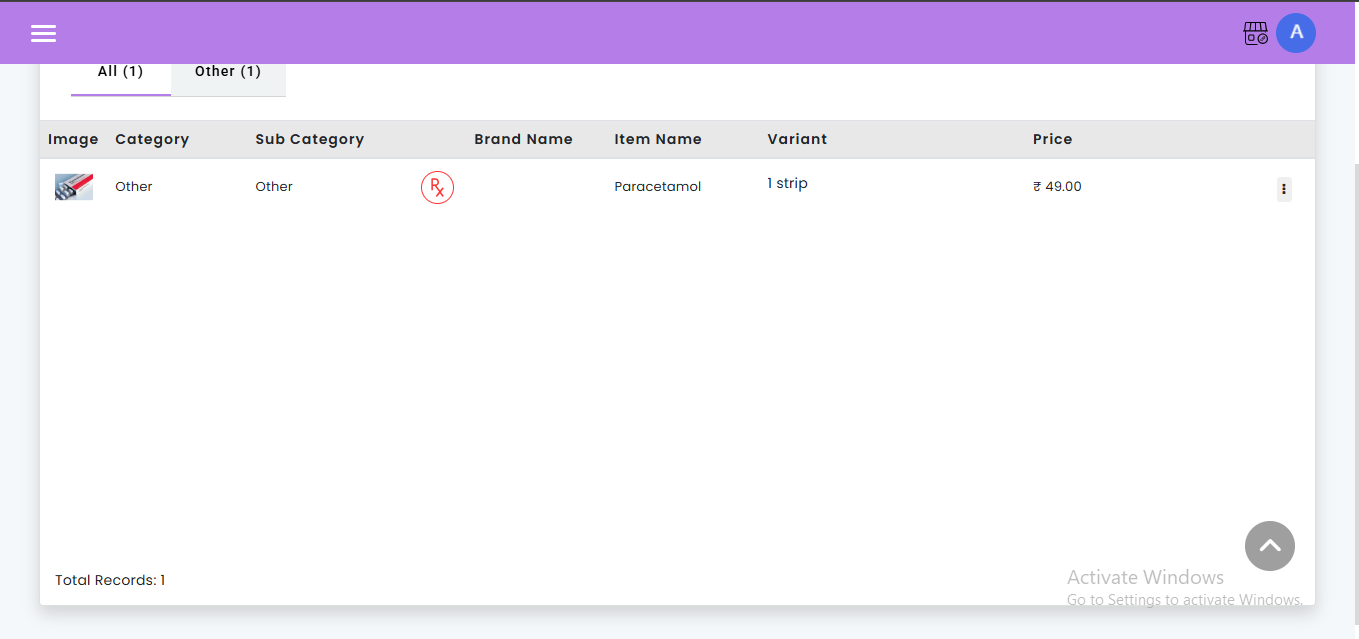
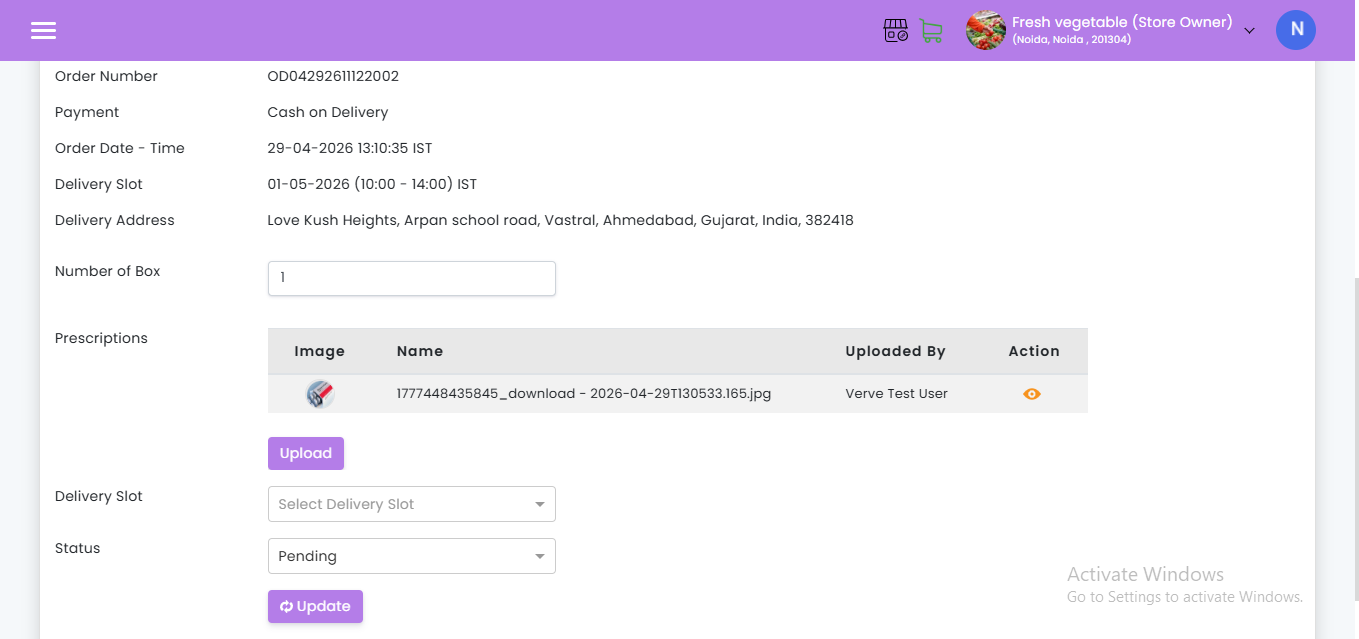
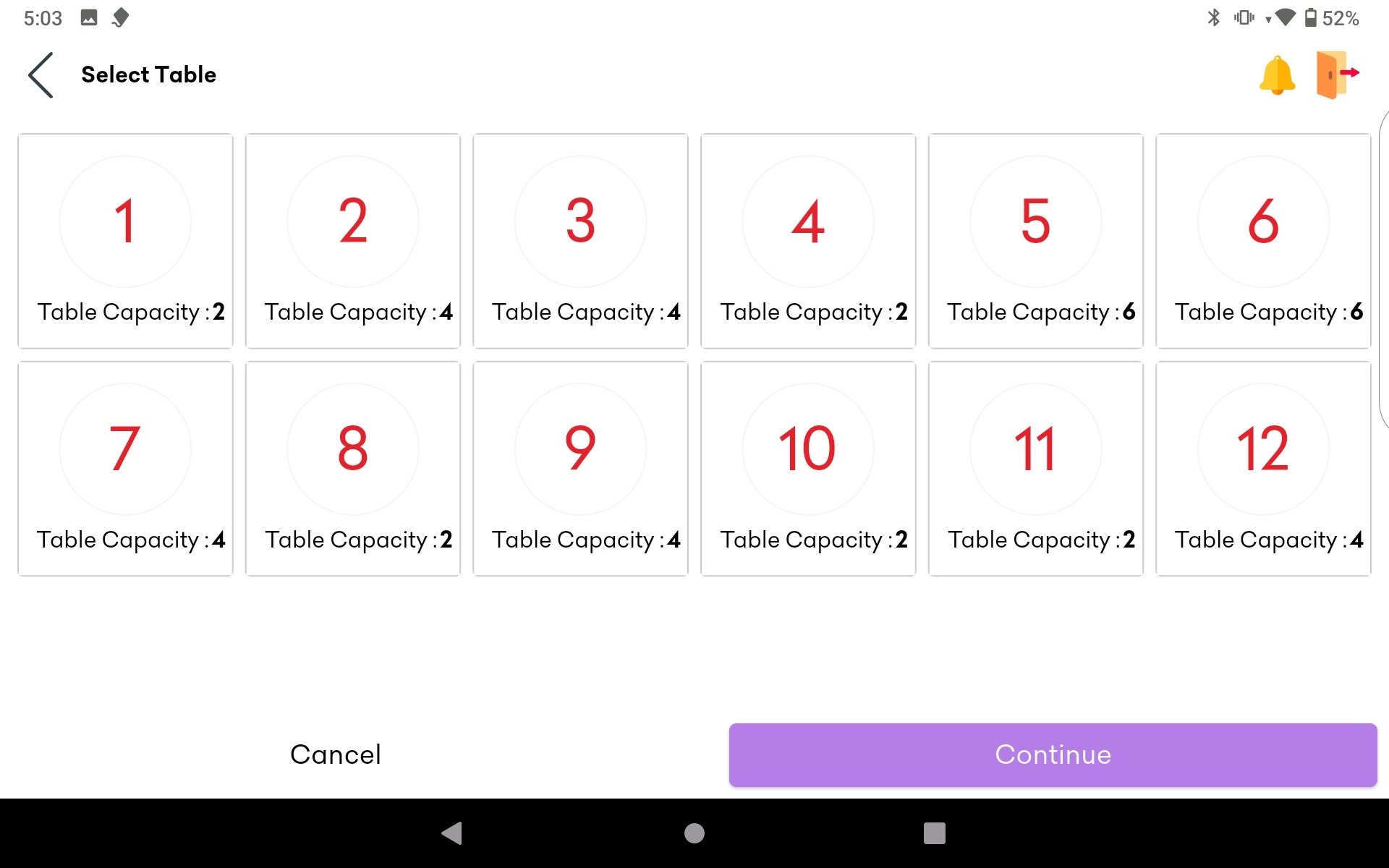
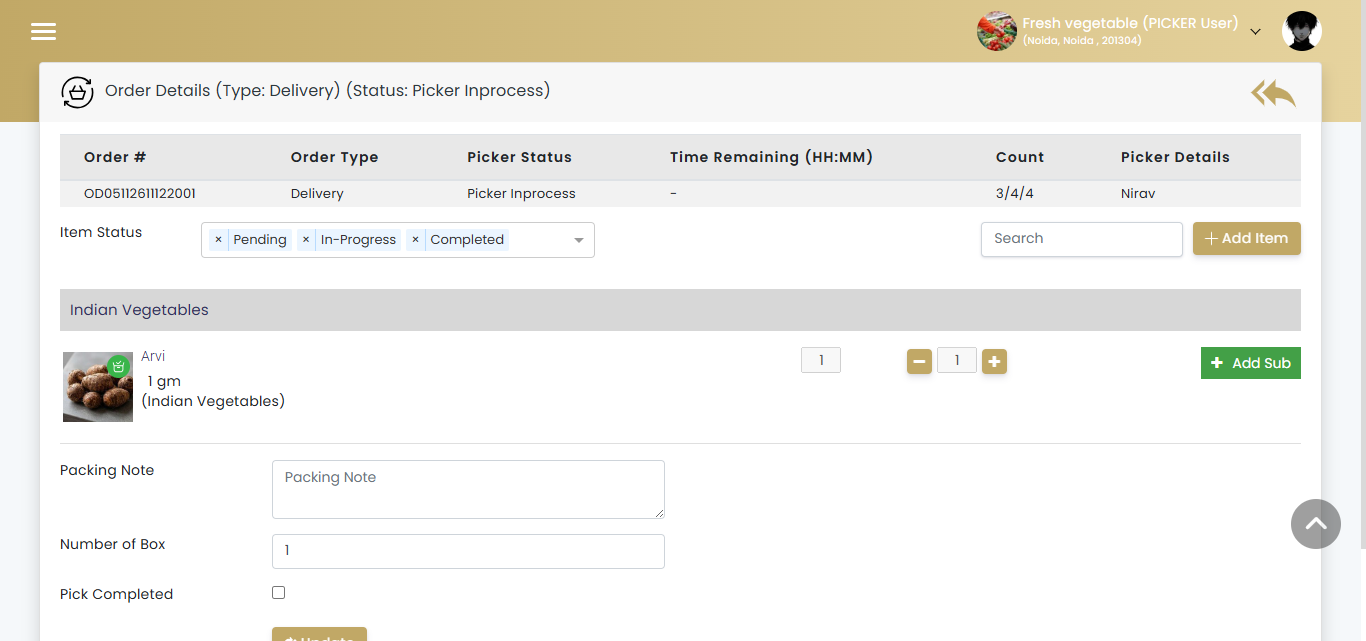
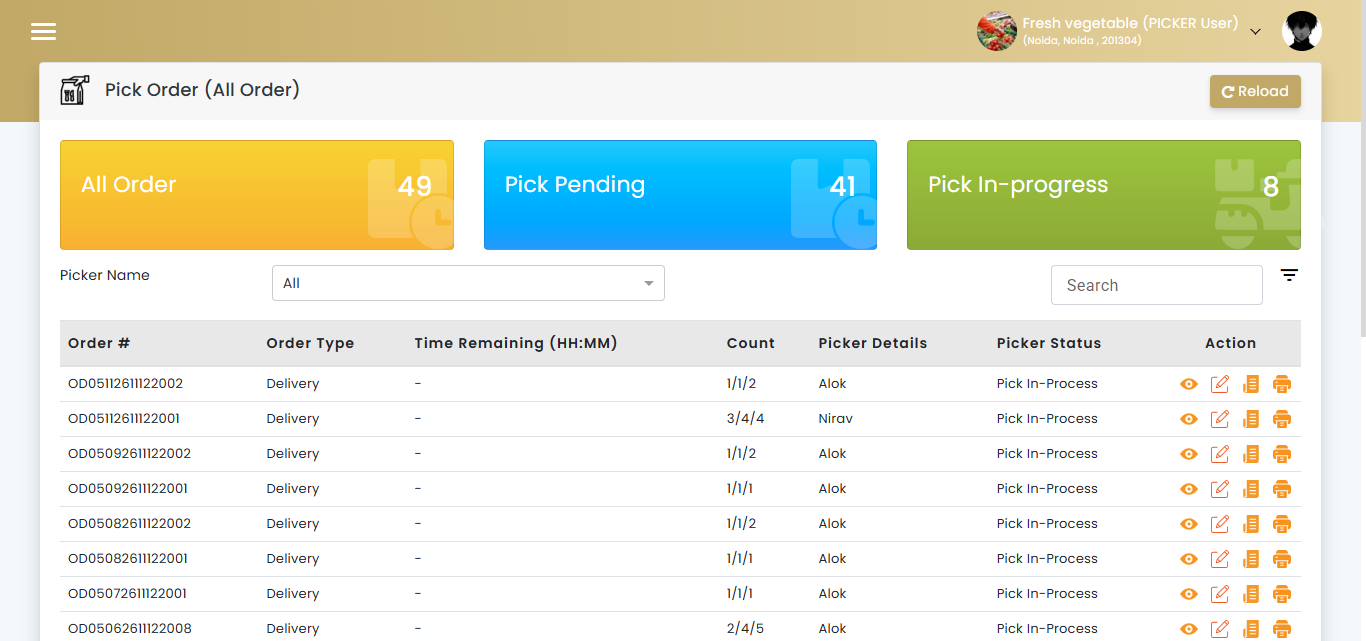
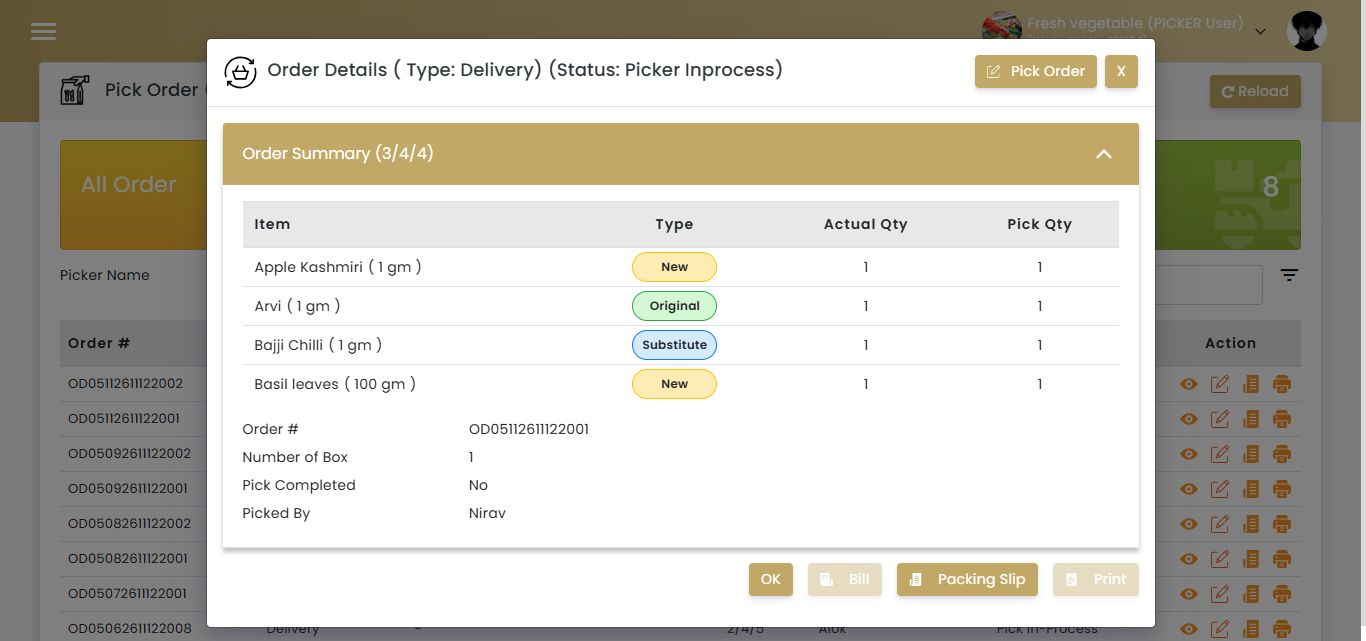
One of the biggest misconceptions about running your own digital ordering system is that it requires a software team. Loklay eliminates that barrier. Setting up your store, uploading your catalogue, configuring delivery zones — it’s all designed for someone who runs a business, not someone who writes code. If you can manage a WhatsApp group, you can manage your Loklay storefront.
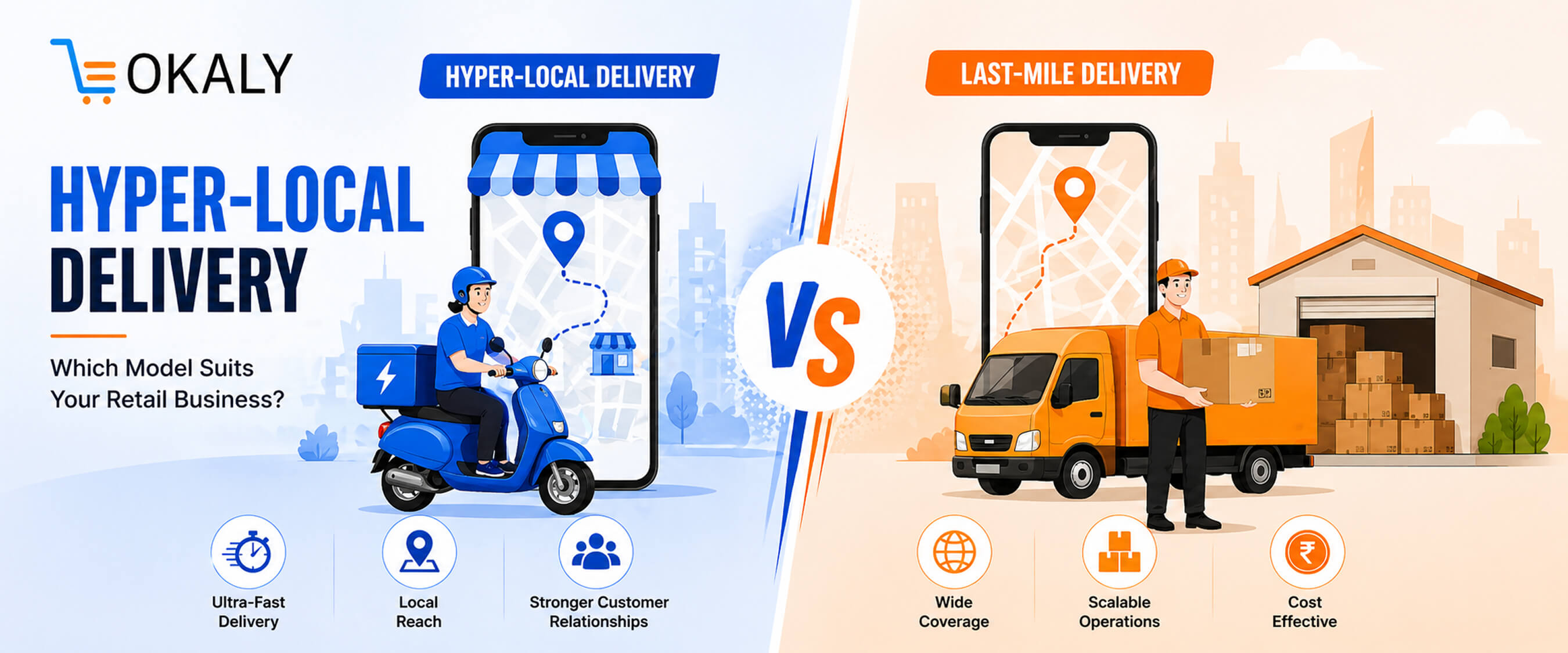
Hyperlocal delivery, done properly
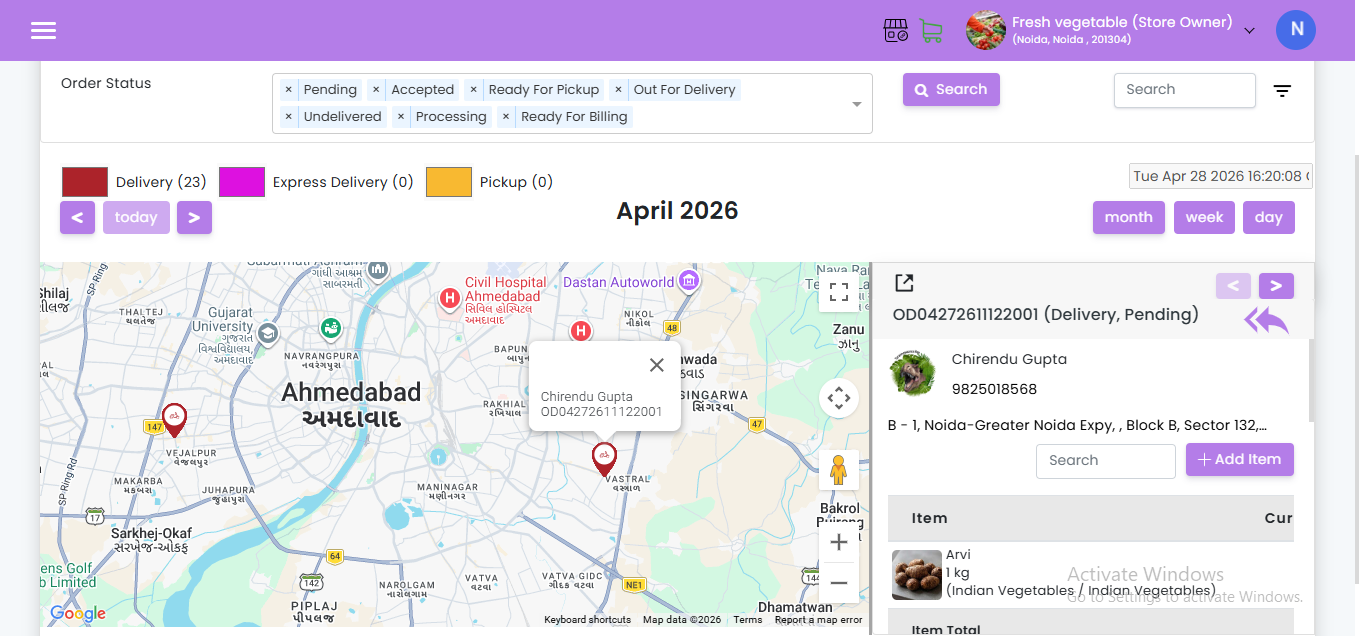
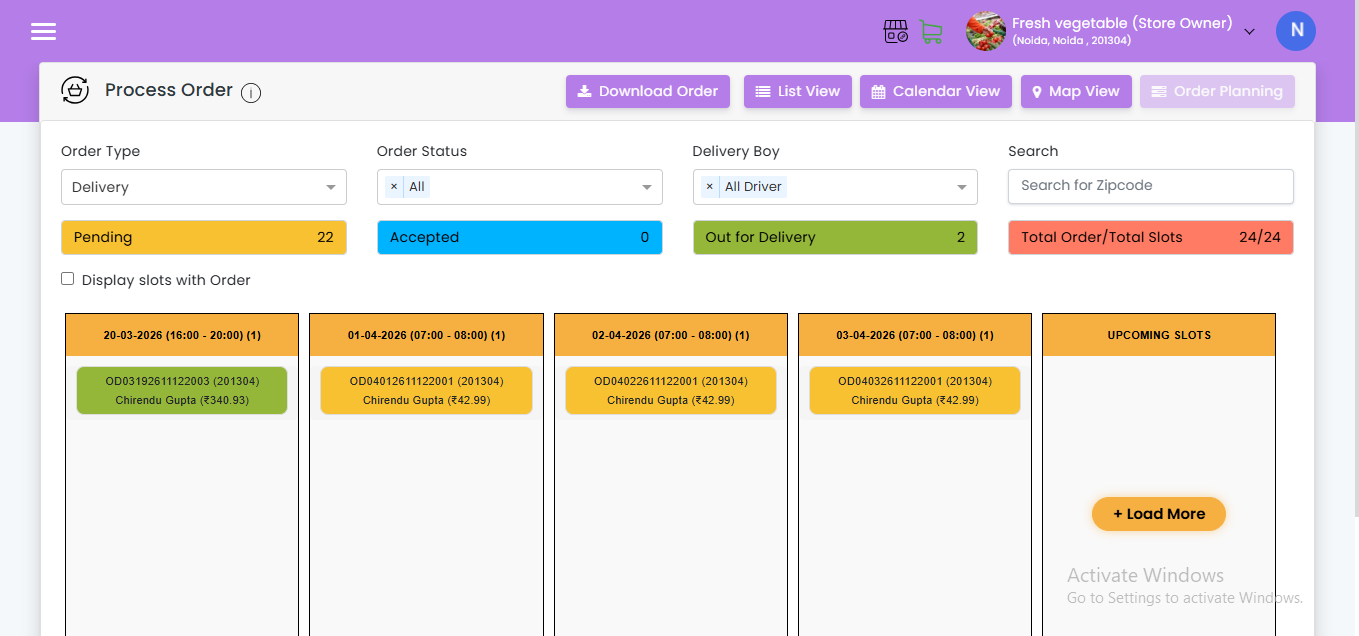
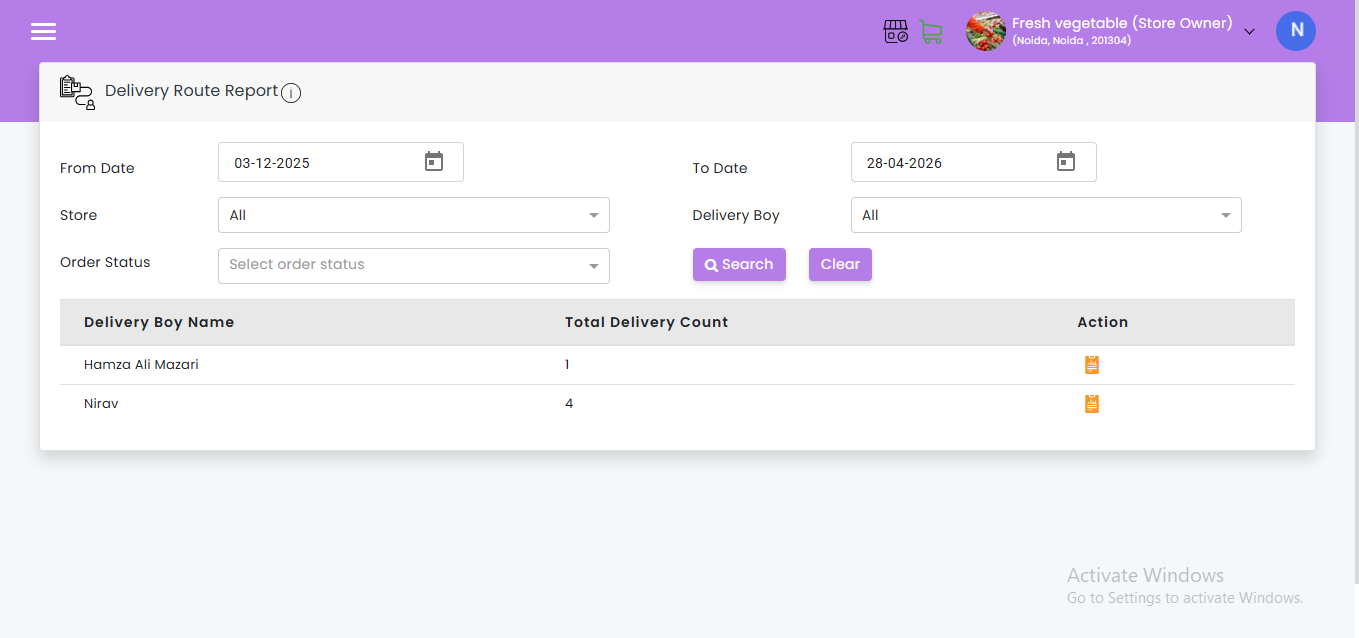
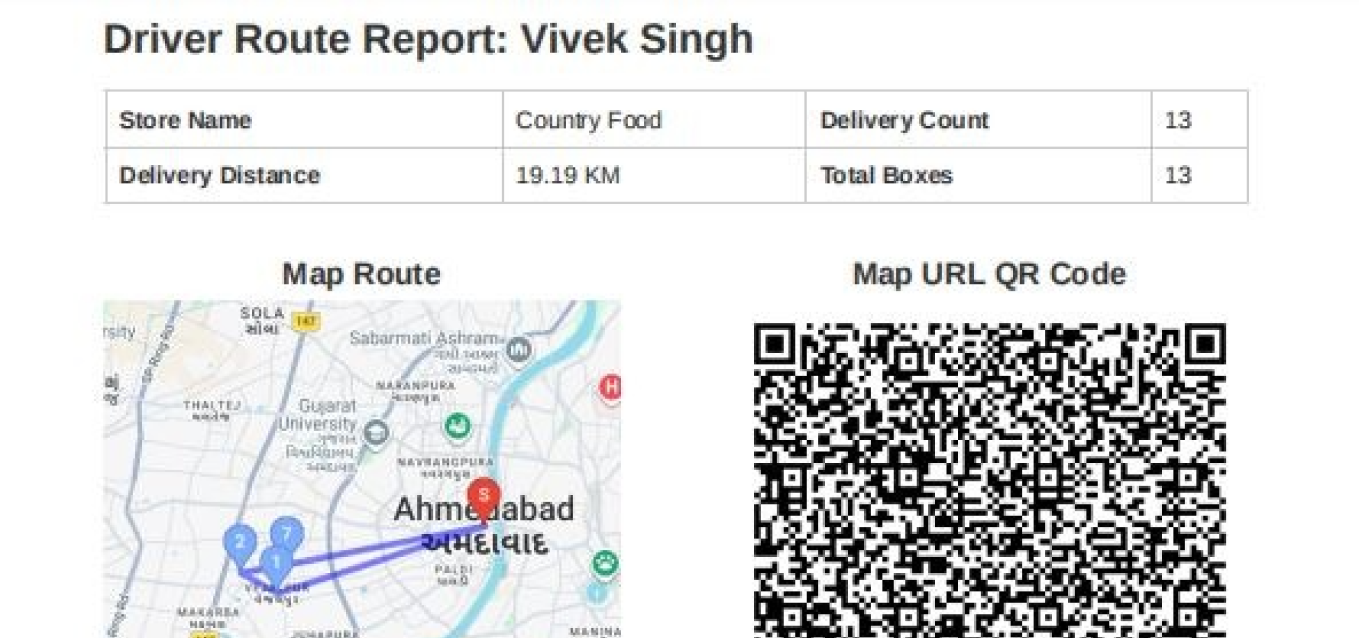
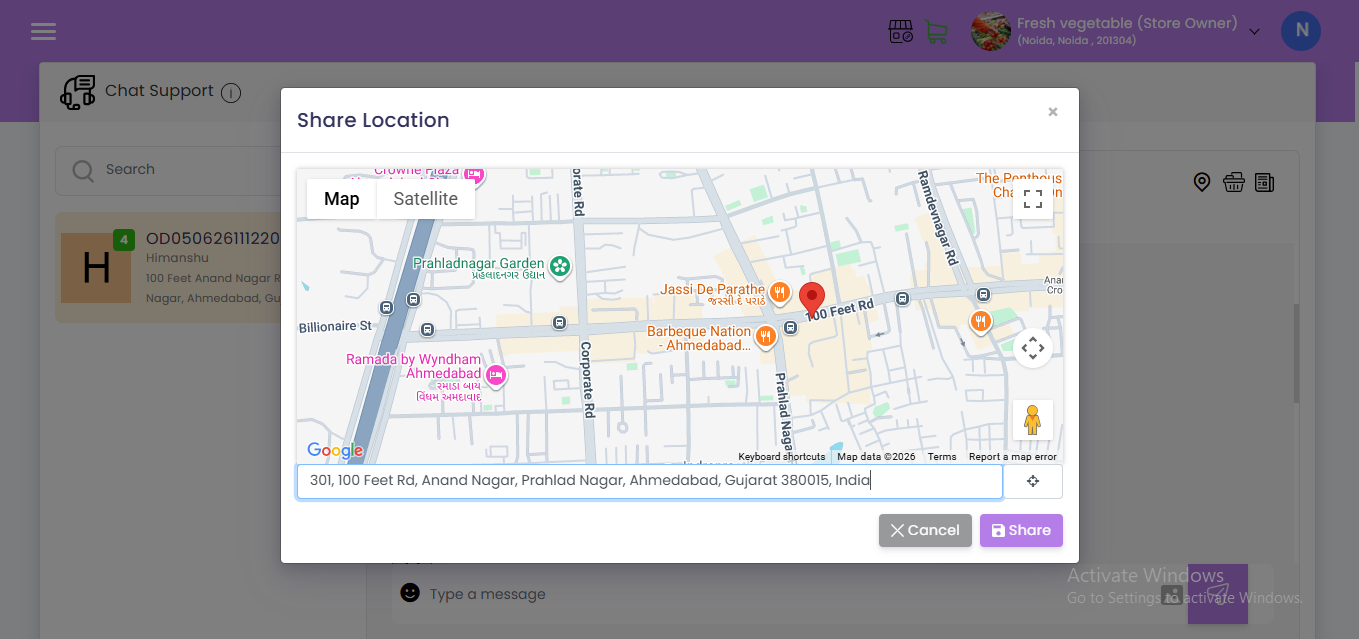
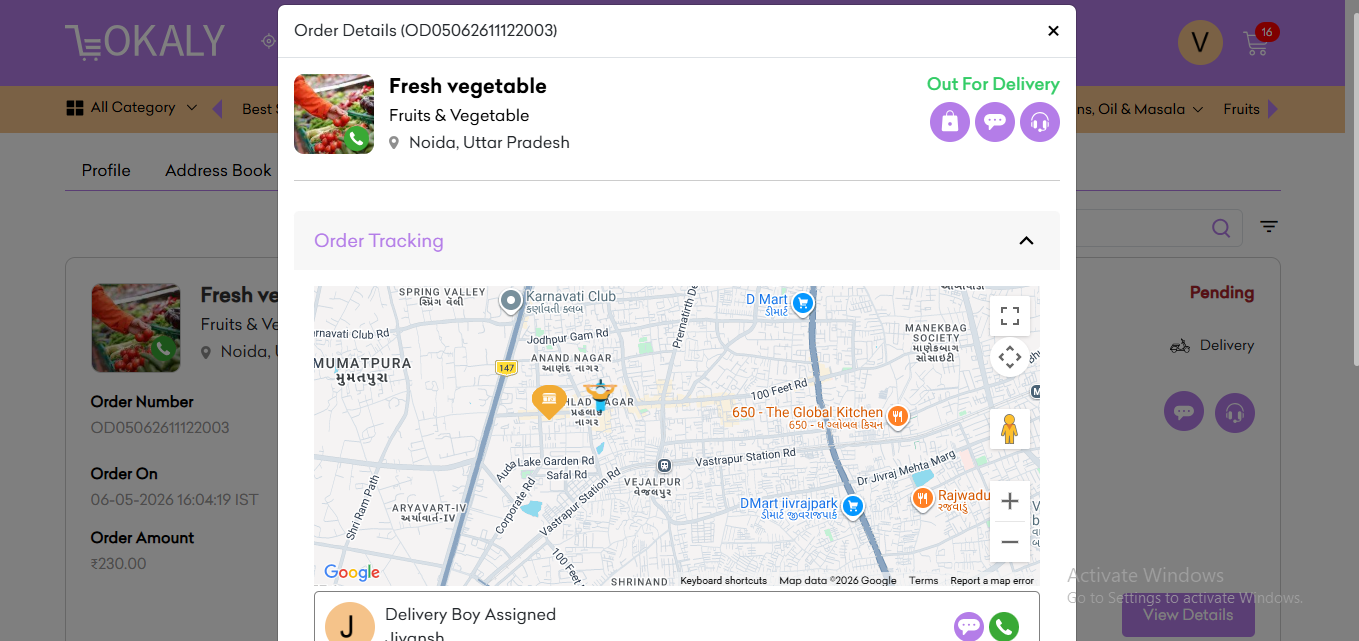
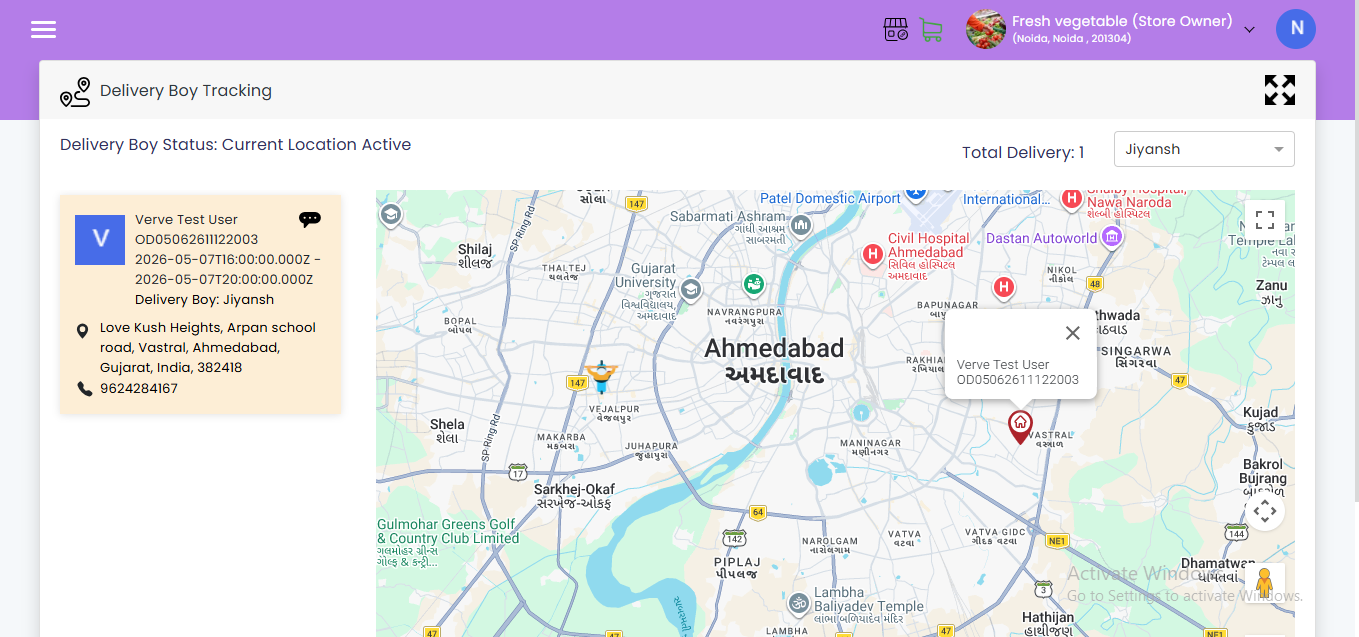
Loklay is built around the hyperlocal delivery app model. That means you define your delivery radius, manage your own delivery slots, and serve your actual neighbourhood — not some algorithmically assigned zone. Your customers are nearby. Your delivery experience should feel personal and local, because it is.
You own your customer data
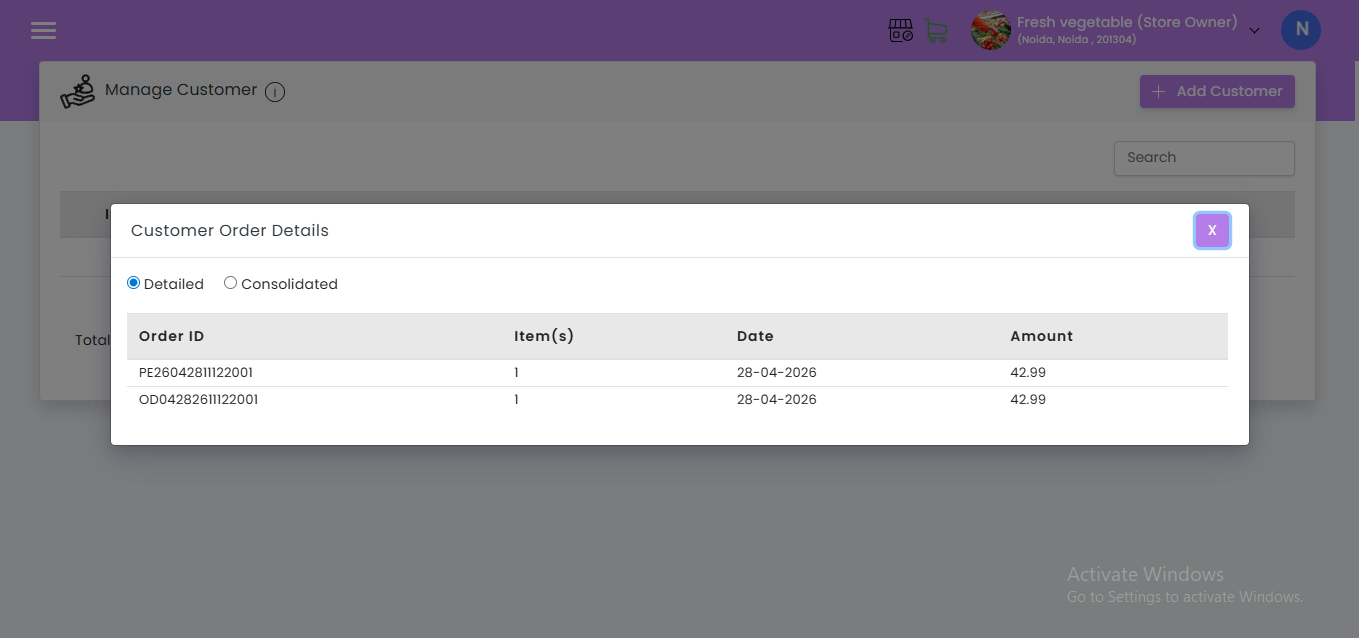
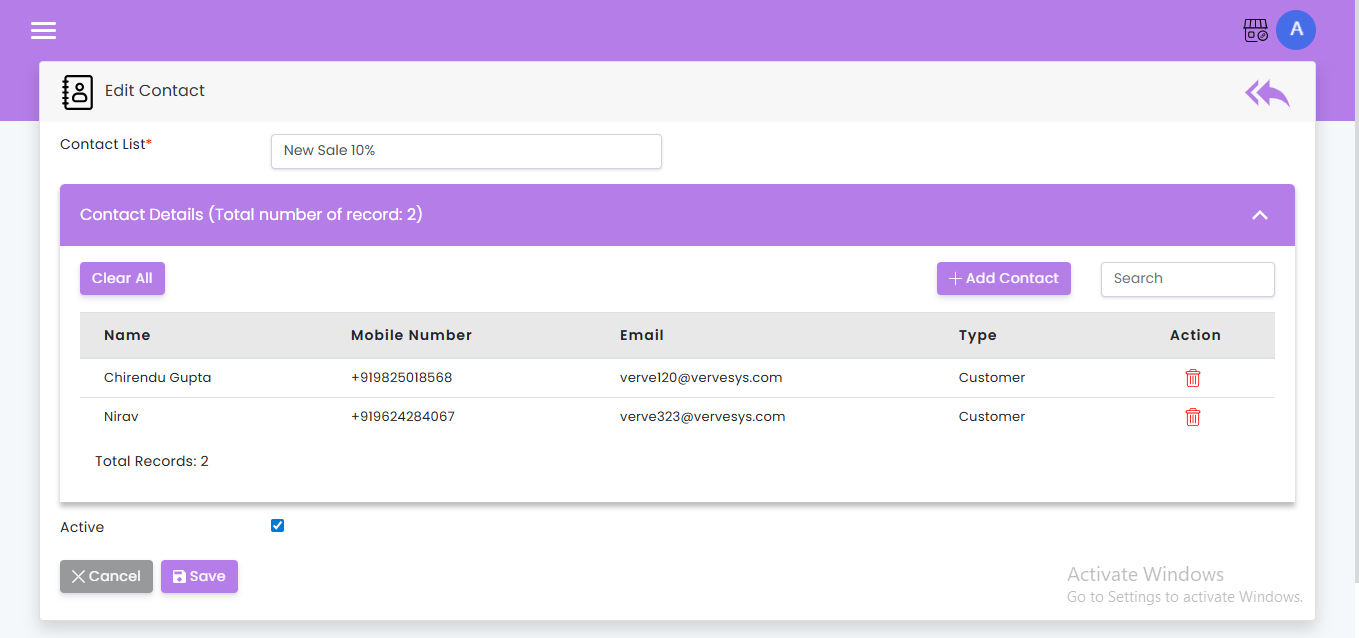
When someone orders through your Loklay store, their information — purchase history, preferences, contact details — belongs to you. You can send them a personalized offer on their birthday, notify them when a favourite product is back in stock, or simply build a direct relationship that no algorithm can interfere with. That data is an asset. Right now, you’re building it for someone else.
No more competing with your own category
On a big marketplace, you’re one listing among hundreds. A customer searching for “biryani near me” sees your restaurant — and fifteen others — all on the same screen. With your own SME digital ordering platform, that competition disappears. Customers who come to your app came for you, not for whoever outbid you in the ad auction that day.
Faster than a custom build, more powerful than a marketplace listing
When businesses think about going independent, they usually see two options: stay on the marketplace, or commission a full custom app that costs lakhs and takes six months. Loklay is the third option. The white label app vs custom development comparison is simple — you get the independence of a custom app at a fraction of the time and cost. It’s the middle path that actually makes financial sense for growing SMEs.
Who Is Loklay Actually For?
Loklay works for a broad range of businesses, but it’s especially well-suited for a few types.
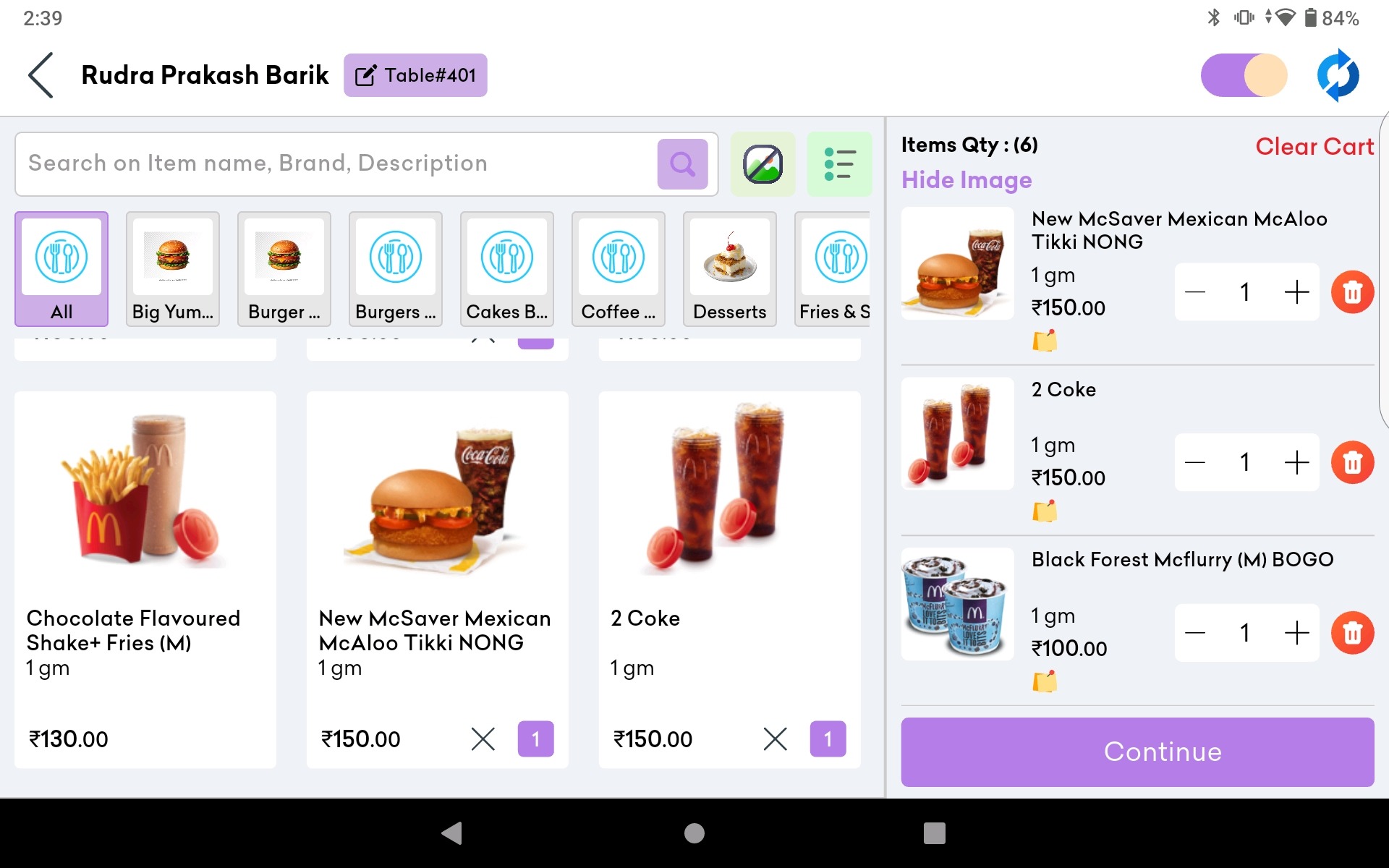
Restaurants and cloud kitchens that are tired of watching their margins get swallowed by aggregator commissions. Grocery stores, dairies, and fresh produce sellers who serve a loyal local customer base and want to reach them directly. Pharmacies and medical stores where trust and reliability matter more than discoverability on a giant platform. Boutiques and lifestyle brands that have a distinct identity and want their digital presence to reflect it honestly.
If you have repeat customers, a local community that knows and trusts you, and a product worth ordering again, Loklay was built with you in mind.
The Honest Comparison: Custom Ordering App vs Marketplace
Staying on a big marketplace makes sense when you’re just starting and need immediate visibility with zero upfront investment. But once your business has roots — once customers seek you out by name, not just by category — the calculus changes.
A custom ordering app vs marketplace decision used to be complicated by cost and technical complexity. Loklay changes that equation. You don’t need a six-figure development budget. You don’t need a CTO on the payroll. You need a platform that understands small businesses, is built for the Indian SME context, and charges you fairly for what it delivers.
The alternatives to food delivery aggregators are no longer just theoretical. Businesses across India are quietly building their own digital storefronts — and they’re keeping more of what they earn while doing it.
A Final Thought
There’s a kind of invisible cost that never shows up on any invoice, and it’s the most expensive one: the gradual erosion of your brand’s independence. Every order that goes through a third-party platform is an order where someone else owns the customer experience. Over the years, that adds up — not just in money, but in your ability to grow on your own terms.
Loklay exists because SMEs deserve a better deal. Not a handout — a fair system. One where your hard work builds your business, not someone else’s platform.
If you’ve been thinking about making the switch, there’s no complicated moment to wait for. The sooner you start owning your customer relationships, the sooner those relationships start compounding in your favour.
Get started at loklay. Your branded ordering app is closer than you think.