-

-

- Download App
Ever wonder how Zomato, GoJek, or Uber Eats became overnight household brands? Today, with an on-demand delivery app, customers get everything they need in the comfort of their taps. Building a successful on-demand delivery app is more than just a fad-it’s changing the game in business. But what does it take to build an app like these giants? Let’s read further to look at the essentials of app building for a seamless business and user experience.
An on-demand delivery application is an electronic interface which connects users with services or products needed, be it food, groceries, and even some special everyday essentials. It’s one of the fastest and most reliable services that suits the needs of the convenience users. This model has, in turn, motivated almost every business to adopt services in developing a food delivery application to creating a grocery delivery application development. Some even go so deep as meat delivery application development or apps for delivering milk.
It specializes in food delivery with a promise of guaranteed completion that depends on routing optimizations and ordering priorities. All other features that it offers are customer-oriented. It still is, though, making use of an application that integrates several services, including the ride-hailing service along with its food delivery along with some other services on the application. Each of these applications have made their own niche that they have specialized with approaches customized according to needs from customers as well as market demands to provide parity with the rest of the delivery on demand applications.
Must-haves in an on-demand application are beyond primary use cases; they encompass an easy experience with all advanced functions anticipating user requirements, so here are some must-feature lists to consider as described below:
Based on these integrations into your app will deliver to the users in a seamless way, a convenient experience with interaction, thereby increasing customer satisfaction and retention. This is something very important while building a robust and scalable app because selecting the right tech stack in this regard will ensure whether the app will perform rightly or not. So here’s an overview of your on-demand delivery app from different parts with regard to the tech options that include:
The right tech stack ensures the app remains responsive, scalable, and user-friendly as your business grows.
Developing a good on-demand delivery app requires a structured approach. Here are the critical steps involved in it.
Now that you know your market well, it is time to build a great app. Know your competition, that is Instacart and DoorDash. Understand what is being done right and the gaps where you can correct it. Find the pain points, preferences, and gaps in service for users so that you can outline your USPs.
What will stand out about your app? The features that fill the space where current apps are leaving holes? Speedy delivery, cheaper to deliver or an eco-friendly choice with packaging options.
At the very heart of any app lies UX design. It has to be intuitive to navigate around your app. Features you can reach in a couple of taps: seamless journey for the user from choosing a product to checking out.
Releasing an MVP launch helps you understand how much the user is interested in it, what needs to be fixed, and you even get the possibility of working on the app some more before its official release. The primary functionalities present within the MVP would be browse through the products, check-out process, and order tracking.
Once the application has launched, it is actually imperative to collect feedback from users at regular time gaps and improve the application for performance, new feature additions, and bugs removals. Use data analytics in order to get an in-depth understanding of user behavior, which further enhances the application.
Lokaly comes with expert guidance all over the phases. Hence every step is taken according to best practices and industrial standards.
The cost of development for an on-demand delivery app is steep and would depend on the complexity of application, location of the team for development, and a number of features required at that point.
Consulting with an expert like Lokaly will get you a very specific quote based on the requirements that you have with the best possible outcome in accordance with your budget.
The most essential aspect of any on-demand app is a sustainable revenue model. Here are some common monetization strategies:
Most monetization strategies always ensure that the revenue flows in while keeping the users around; hence, maximizes profits and profitability.
User experience is customer retention. Here is how you can enhance user experience with respect to your on-demand delivery application:
These UX strategies will help you build an application that users love, thus promoting repeat orders and long-term loyalty.
Properly planned, with a customer-centric approach and well-defined revenue streams, you can assure that this on-demand delivery app goes successful. Robust development with seamless UX and personalized features in the app is sure to deliver what high market demand necessitates while standing unique within the marketplace. With Lokaly, you will experience professional services for on-demand application development. It will not only help you to suit your requirement but also enable you to bring it to existence precisely.
After reviewing our on-demand delivery app business guide, you should now have a clear understanding of how to develop your app and be ready for launch. However, success in the on-demand delivery space isn’t just about having a good idea. To stay competitive in this fast-paced market, continual innovation and staying updated with the latest technological trends are key to long-term success.
Ever wonder how easy a morning routine can be if you never ran out of milk at home? Well, now imagine fresh milk delivered right to your doorstep with just a few taps on your smartphone. The service of milk delivery has become the dawn-to-arrival reality for many people, thanks to its ever-emerging convenience. With milk delivery service app solutions, schedule your daily needs for fresh milk with no hitch at all. No more running out to the store to grab a gallon of milk at the last minute or risking forgetting at all. These apps not only make life easier for consumers but also help service providers streamline operations, track deliveries, and maintain customer satisfaction. These apps are highly flexible, allowing customers to choose the milk type, quantity, frequency of milk deliveries, and number of deliveries according to their preferences. Here’s a milk delivery app development company like Lokaly that emerges to open up this opportunity for businesses to tap into this growing need for convenience.
A milk delivery subscription provides customers with a simple means of receiving their daily milk requirements. This model becomes so popular because consumers can indeed select the preferred type of milk, schedule, and even adjust quantities according to their requirements. No longer must you wait in line for milk delivery from traditional milkmen or local dairies that may not even guarantee constant deliveries.
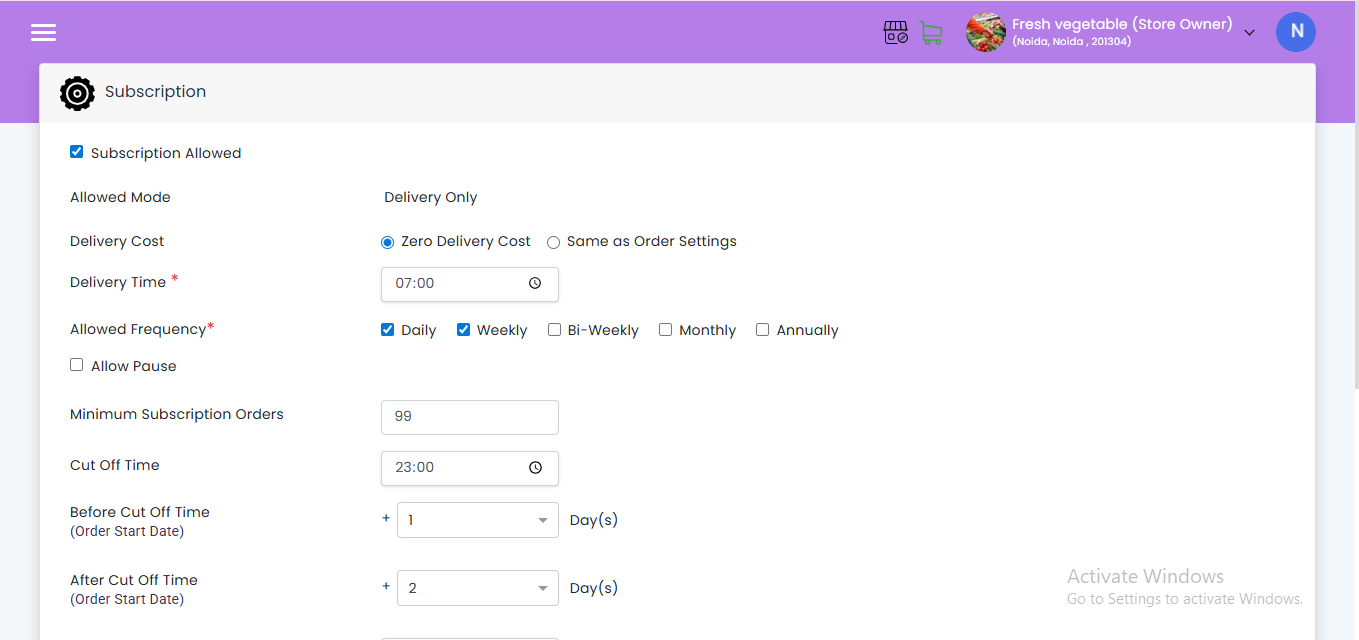
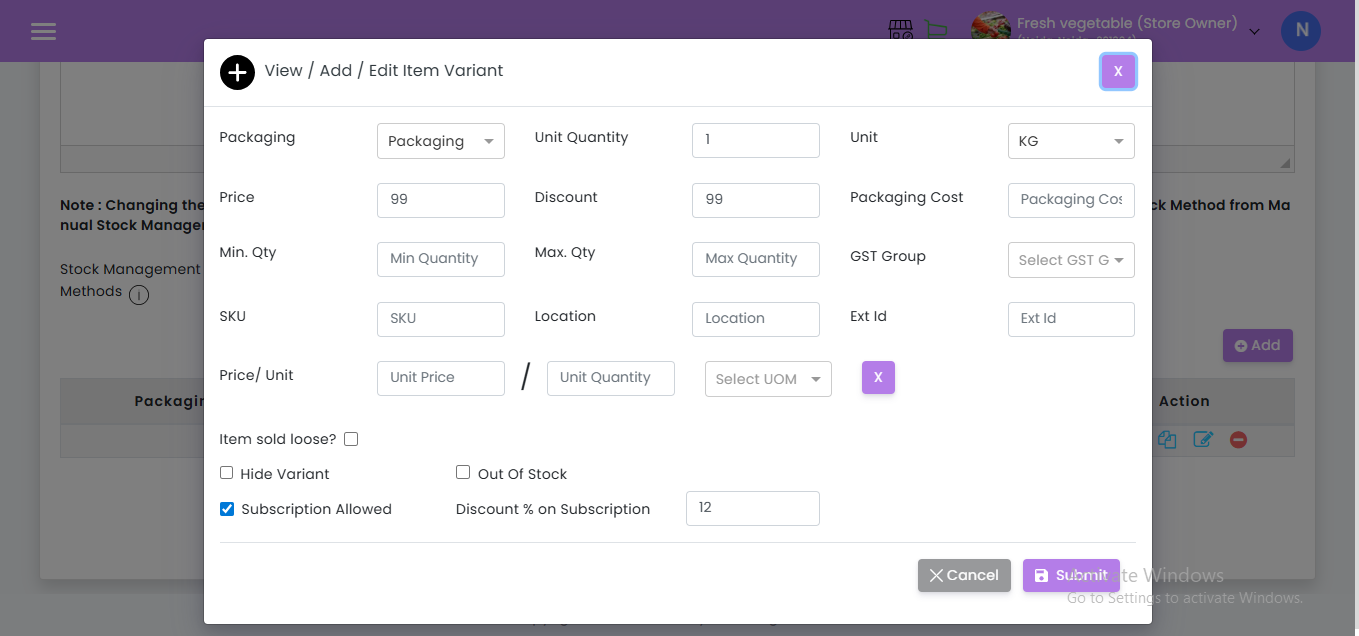
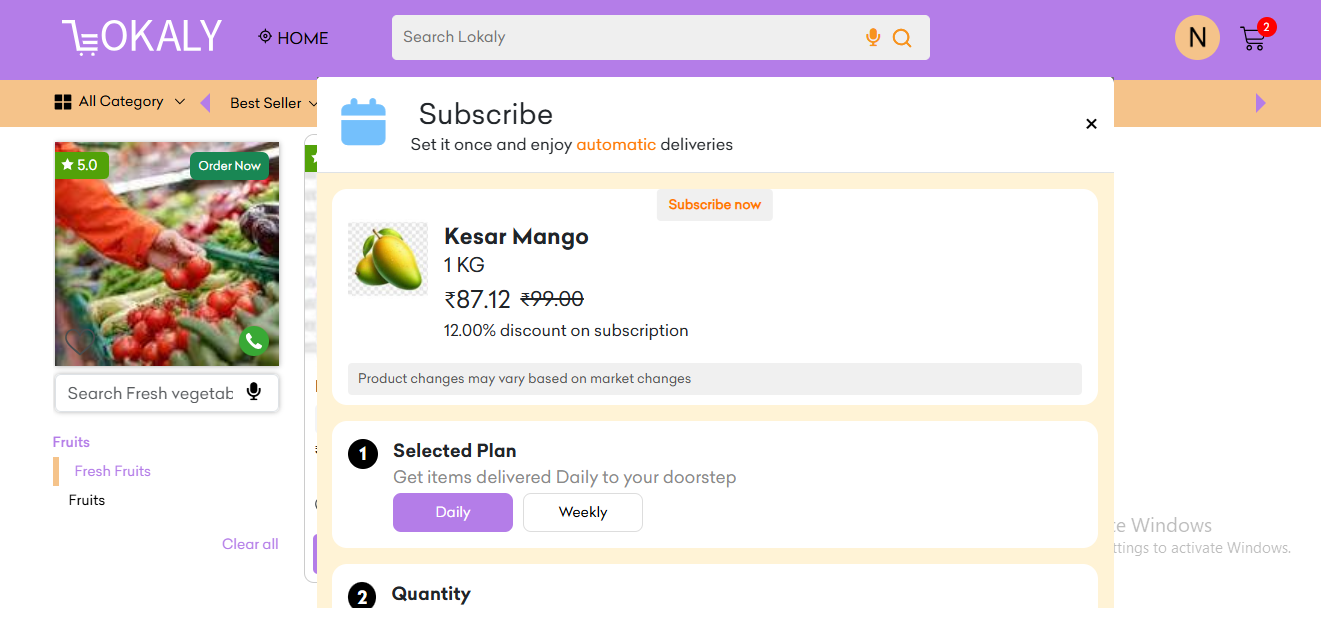
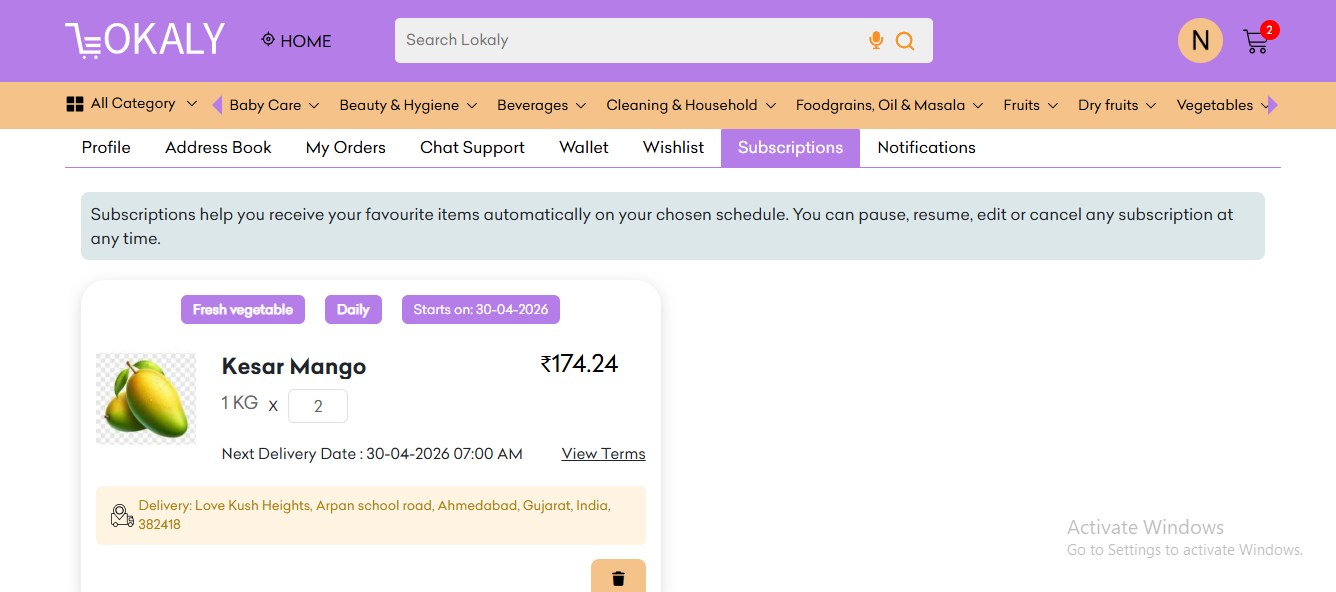
In this model, customers subscribe to receive milk deliveries on a schedule set, for instance, daily or weekly. The app ensures that you can conveniently handle your subscription from the comfort of your phone at any given time, either by pausing or resuming deliveries. This, consequently, means the statutory staple of many households – milk, for instance – need never run out.
If you are familiar with how these apps work, you would understand the value they can be offering as there is a growing trend to have milk home-delivered.
To start using a milk delivery app solution, one needs to sign up for the account. Users download the app and register with the details needed such as name, contact information, and delivery addresses. Some of the applications may even enable signing up through social media or quick signup by logging in through the Google accounts.
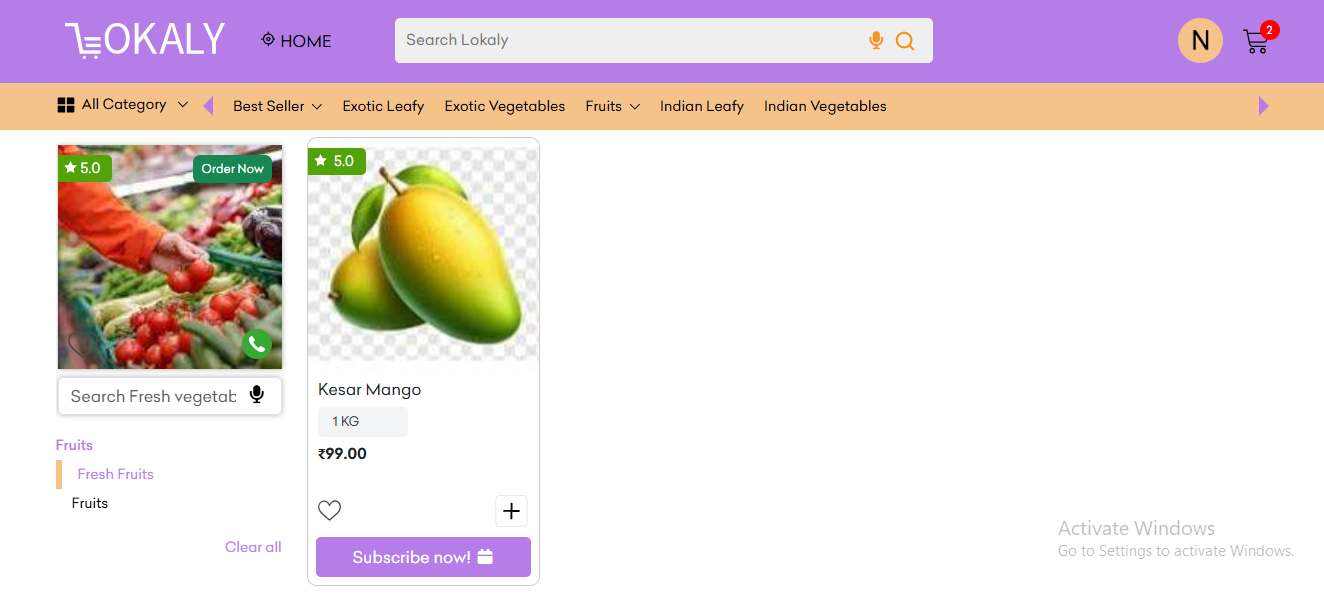
After enrolling, you can view the various products available. You would be able to have cow’s milk, buffalo’s milk, organic varieties of milk, etc. Generally, most of the milk delivery applications will also provide an option wherein you can select other dairy-farmer produced butter, cheese, and yogurt, based on your family requirements. You may set up a daily or weekly subscription with all sorts of flexibility. Many apps even have the “pause delivery,” which gives you an opportunity to stop deliveries if you leave town during a particular period.
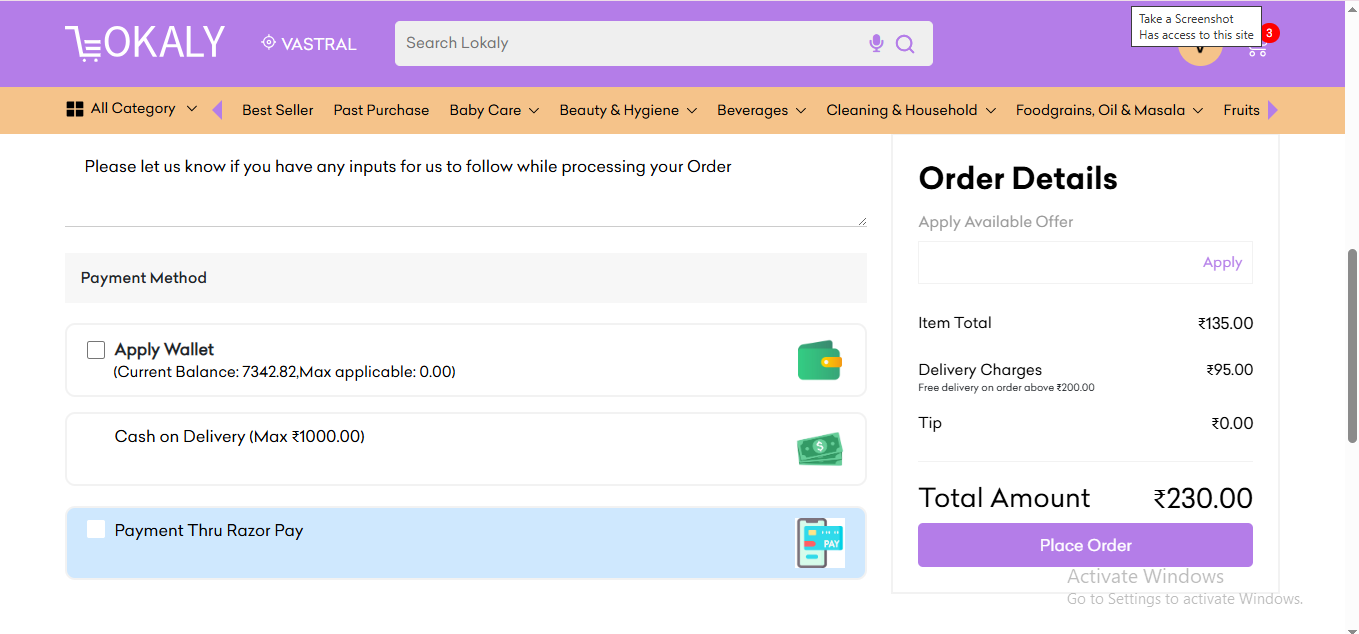
Now comes the pay part. Most milk delivery apps give you options of payments, starting with online payment gateways, credit or debit cards, mobile wallets, and sometimes even cash on delivery. Once your payment has been processed, you’re good to go. That means your subscription will start immediately and deliveries will begin according to your schedule.
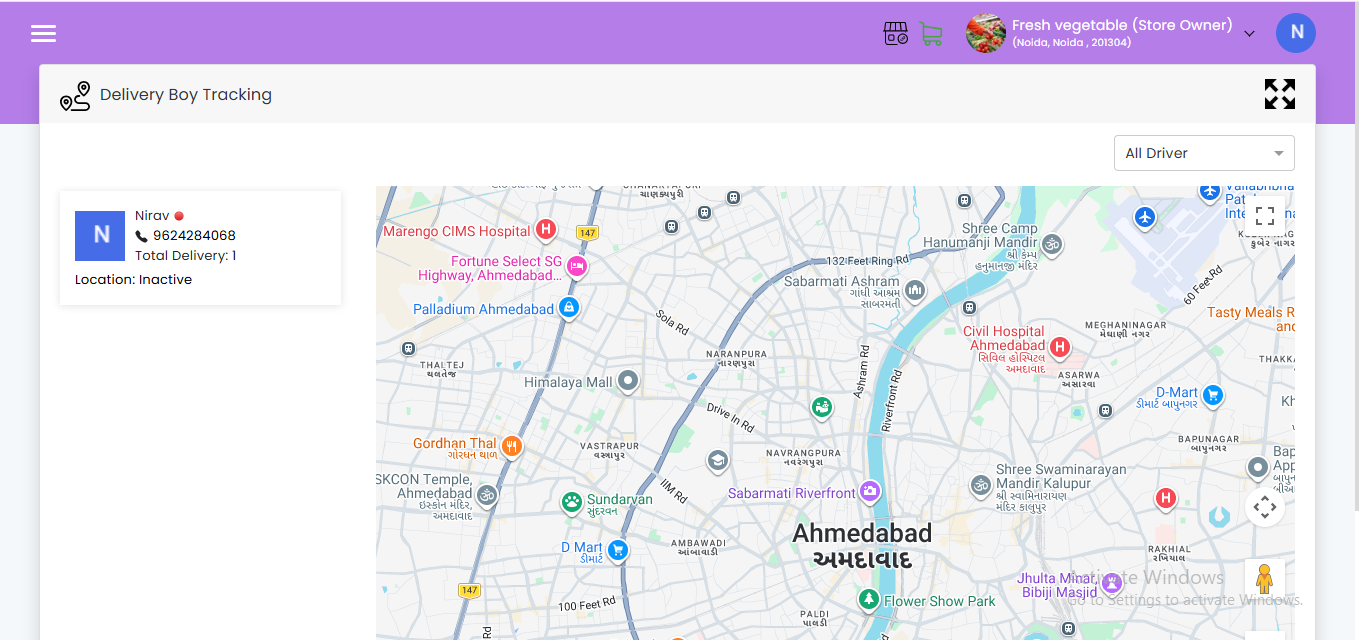
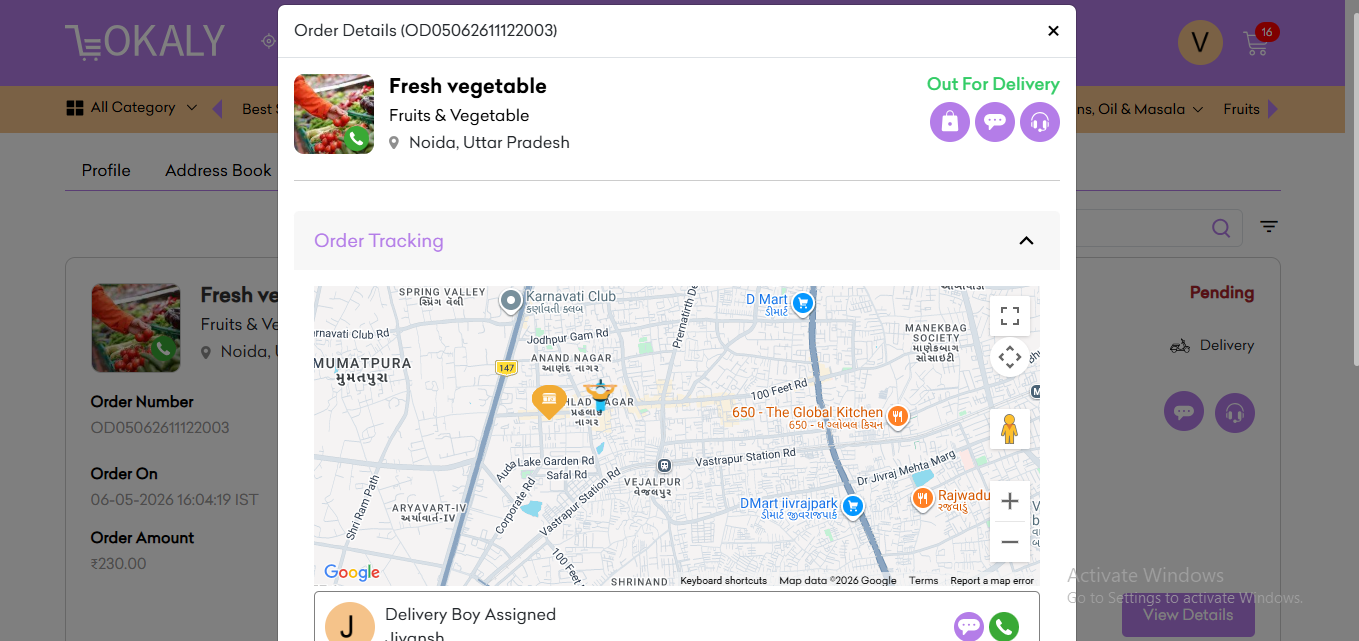
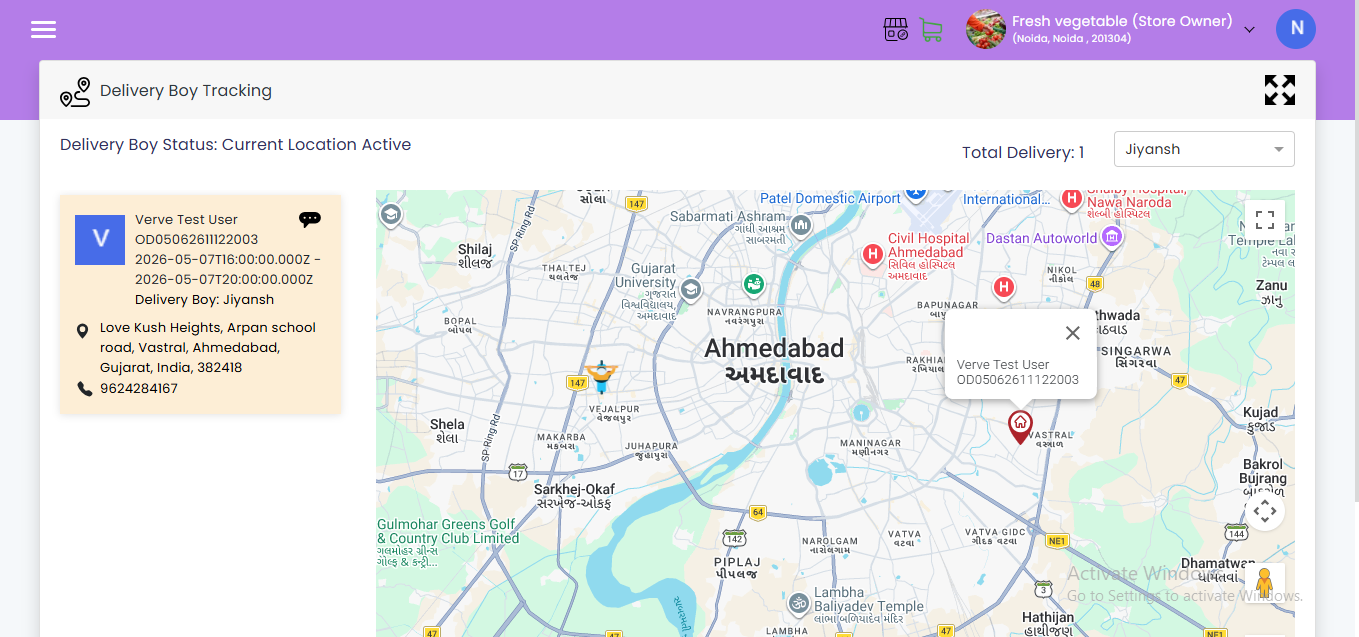
Using this service, the customers can also track their deliveries. So the customer will get timely notifications about when milk will arrive, thereby providing peace of mind and reducing the chance of missed delivery. All of these real-time updates enable an excellent customer experience with real-time transparency at each stage.
On the agreed days, milk is fresh delivered to the customer’s door, usually very early in the morning, so that it reaches them in time for breakfast. Most of the milk delivery app solutions include contactless delivery options; nowadays, they have become more important during COVID-19 .
Milk is staple in many households and therefore, a subscription-based milk delivery service is highly valued. But how do these apps become so popular? Let’s break it down:
Nowadays, where one’s life is full of rushed hours, the convenience rule applies. The daily milk delivery app means you will never again have to remember to go and buy milk; it gets delivered right to your doorstep at the times when it is most needed. It takes care of everything for you: from payments to tracking deliveries, so life doesn’t have to be a hassle.
Most of the milk delivery services directly source products from local farms, ensuring that customers get the freshest possible. Because there is no middleman, the milk takes much less time to come from the farm to the consumer; it’s still in its perfect quality and taste.
Some are even now greener: using milk in reusable glass bottles rather than in plastic and offering bigger quantities in fewer trips, thus requiring fewer deliveries. This new green option appeals to more environmentally aware people.
Among all the strengths of subscription-based milk delivery services, flexibility is the prime one. It allows you to make a change in your order schedule or reduce the amount of milk at any moment according to your choice. Even apps let users add or drop other items like yogurt or butter, which makes them more versatile than just a milk delivery application.
The development of a milk delivery application requires a very effective and sound company in mobile apps. What are the requirements behind the creation of such an app?
A milk delivery app development company will focus on several key areas, namely:
The app must be intuitive and user friendly so that it makes way for smooth navigation of products, subscribe and pay with little confusion. Additionally, the app must have personalization features, suggesting products bought before.
The backend systems should support complex subscriptions: additions, deletions, cancellations, as well as payment processing. Delivery logistics have to integrate well with the system so that orders are delivered promptly.
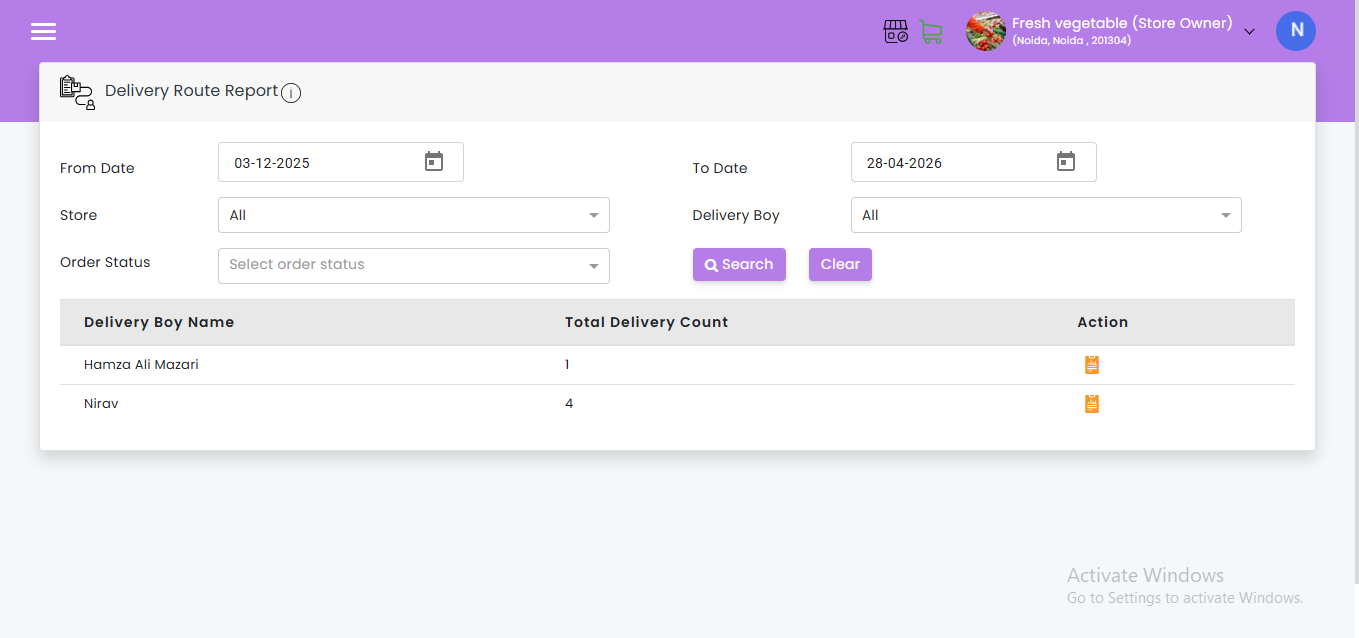
Customers want to know everything about their deliveries in real time. A robust app should use push notifications, track deliveries, and confirm payments at every step of the delivery process.
Security is of prime importance. Customers should be offered various secure payment options like credit cards, debit cards, and mobile wallets.

The increased milk delivery services can benefit both the customers as well as the businesses offering such services. Let’s talk about the key advantages:
Most of the business processes—order intake, scheduling delivery, and payment processing—are streamlined for companies. This has led to fewer manual efforts and a lower cost of operation along with higher customer satisfaction.
Subscription models guarantee predictable and regular revenue inflows for dairy firms. The type of long-term relationship that services facilitated by these service providers with clients helps hold the customers for companies.
In case the customer gets their required strong and fresh products with less effort, they are likely to be customers for a lifetime. The business relationship with the customer is made stronger through an app that permits easy customizations.
With a milk delivery app solution, one can service customers who would otherwise not get access to a physical dairy shop for whatever reason. This allows for the possibility of reaching a much larger market without investing in more retail space.
Since the demand is calculated through applications, businesses can anticipate demand and, therefore, limit waste and achieve just the right amount of replenishment of stock. Resources are, therefore, optimized, which brings down the operational costs ultimately.
You must build a milk delivery app that comes with several features that a consumer as well as business requires in order to make the output successful. Here are a few of them.
The application needs to enable subscribers to change, pause, or resume subscriptions seamlessly. Therefore, the customers will be fully in control of the deliveries.
Customers appreciate various payment options. For a successful mobile application, several gateways for payment are incorporated to ensure it’s seamless and secure.
Users will have the ability to know the delivery status in real-time, thus enhancing transparency and trust. The system can also enable push notifications informing the customers on delays or approximate times expected in arriving.
Customers should be able to view previous orders, favourite products, and payment history. Such a feature ensures that companies have the means to run targeted promotions and provide recommendations.
More consumers are choosing companies that stay true to their values. Product offerings that promote sustainable packaging, like reusable glass bottles, will appeal to a much larger audience.

The future of the milk delivery service is a blend of old-fashioned tradition and state-of-the-art technology. From AI and automation to sustainability and personalization, the ecosystem of a milk delivery app is shaping up based on the changing demands of modern-day consumers. The convenience and flexibility that milk delivery subscriptions bring mean that the industry will continue to experience rapid growth and change. After all, the future seems bright, whether you are a consumer seeking eco-friendly solutions or a business aiming to explore new markets.
Join Lokaly today and work with a great resource that will see you through when building that new cutting-edge milk delivery app, thus ensuring that your app has all of the most recent features to meet the needs of consumers and businesses in today’s endeavours.
Subscriptions of milk delivery service shall not be a convenience but a game-changer for consumers and businesses. Through the application solution pertaining to milk delivery, it will be easy to administer daily needs of milk to customers as well as streamline business processes and enhance customer loyalty for businesses.
As consumer habits continue to shift toward more personalized and convenient shopping experiences, milk delivery subscription apps have the potential to become even more advanced and integral to daily life.
If you are a dairy business interested in spreading further into the market, it’s time to invest in a milk delivery application. Now, if you’re searching for the right partner to help you develop that app, Lokaly is here to walk you through every step of the process.