-

-

- Download App
In recent years, the food service industry has witnessed a dramatic shift with the rise of cloud kitchens. These innovative establishments, also known as ghost kitchens or virtual kitchens, cater exclusively to the burgeoning demand for food delivery services. If you’re considering venturing into this dynamic field, this guide will provide you with all the essential information to launch your cloud kitchen business successfully.
A cloud kitchen is a professional food preparation facility that operates without a physical dining area. Instead, it focuses solely on fulfilling online orders placed through food delivery apps or websites. Unlike traditional restaurants, cloud kitchens streamline operations to maximise efficiency in food production and delivery.
The cloud kitchen market has experienced significant growth over recent years, driven by increasing consumer demand for convenient and diverse food delivery options. This growth is further fueled by advancements in technology, changing consumer lifestyles, and the impact of the COVID-19 pandemic, which accelerated the adoption of food delivery services.
The global cloud kitchen market size was estimated at US$ 57.51 billion in 2022 and is expected to hit US$ 174.66 billion by 2032, poised to grow at a CAGR of 11.8% during the forecast period 2024 to 2032.
Launching a cloud kitchen requires meticulous planning and attention to several key aspects:
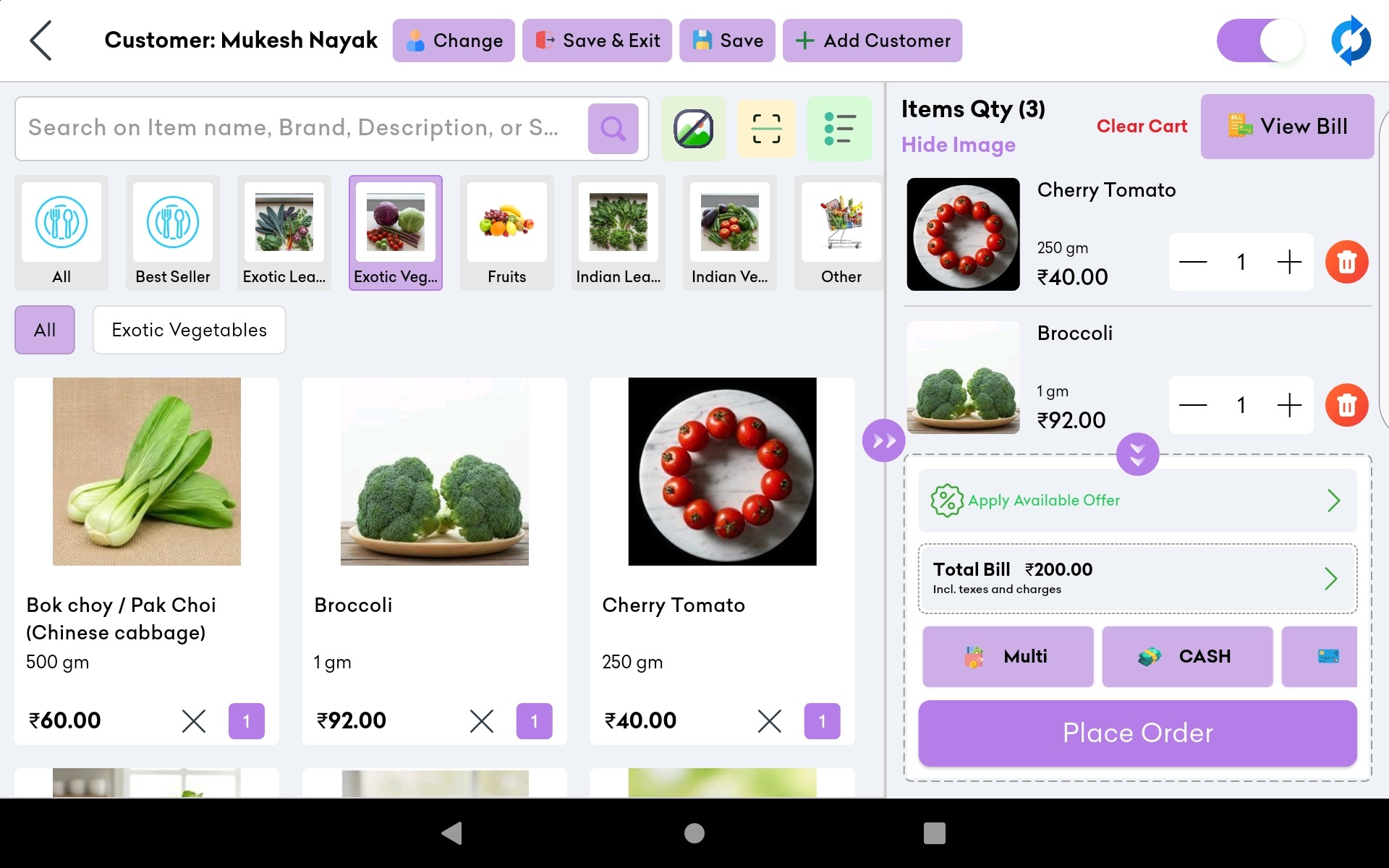
Invest in a user-friendly and efficient online ordering system integrated with popular food delivery apps. Ensure seamless synchronisation between order placement, kitchen operations, and delivery logistics to optimise customer satisfaction.
Develop standardised procedures for order processing, including order receipt, food preparation, quality control, packaging, and timely dispatch. Prioritise speed and accuracy to meet delivery time expectations and enhance customer loyalty.
Recruit skilled culinary professionals experienced in high-volume food production and delivery operations. Emphasise training on food safety protocols, efficient workflow management, and customer-centric service to maintain operational excellence.
Establish reliable partnerships with local suppliers to ensure consistent access to high-quality ingredients at competitive prices. Implement efficient inventory management practices to minimise waste and optimise cost efficiency.
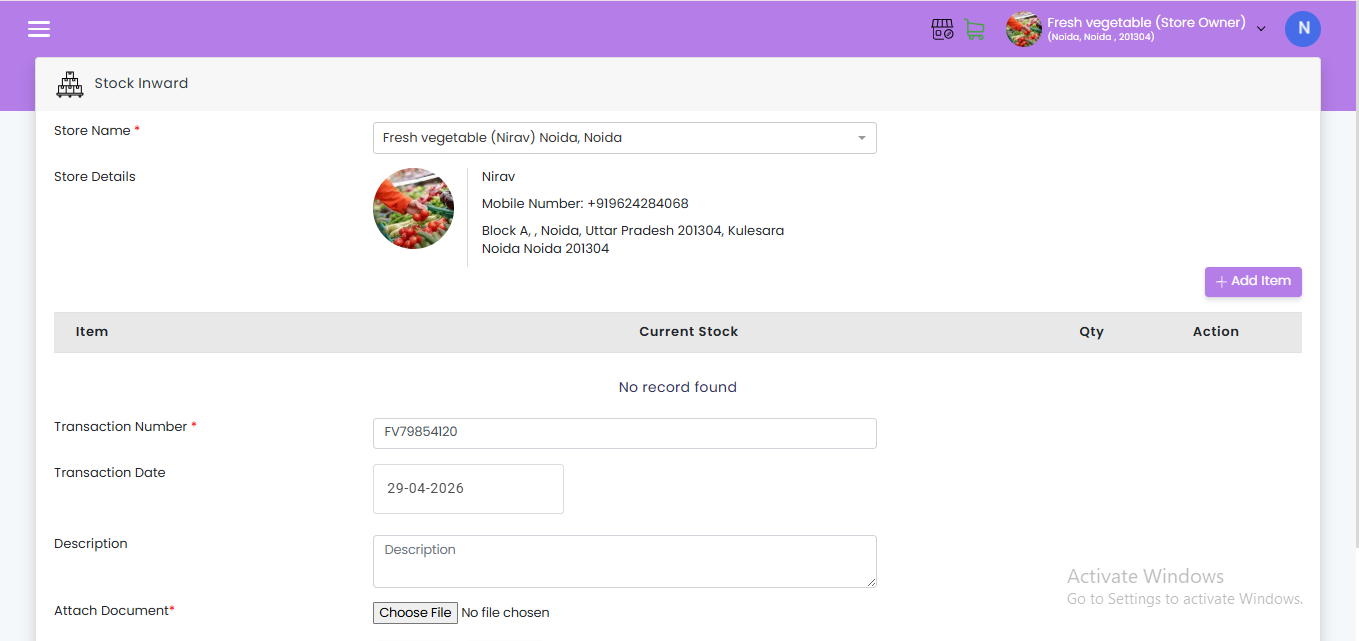
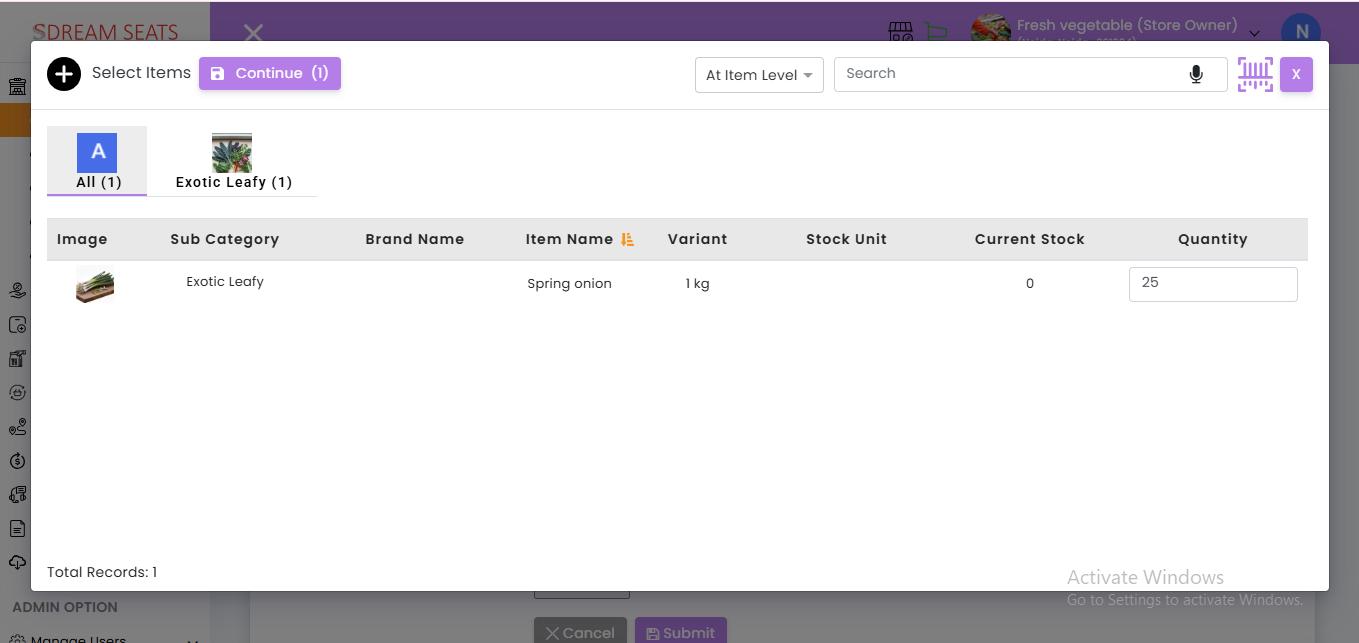
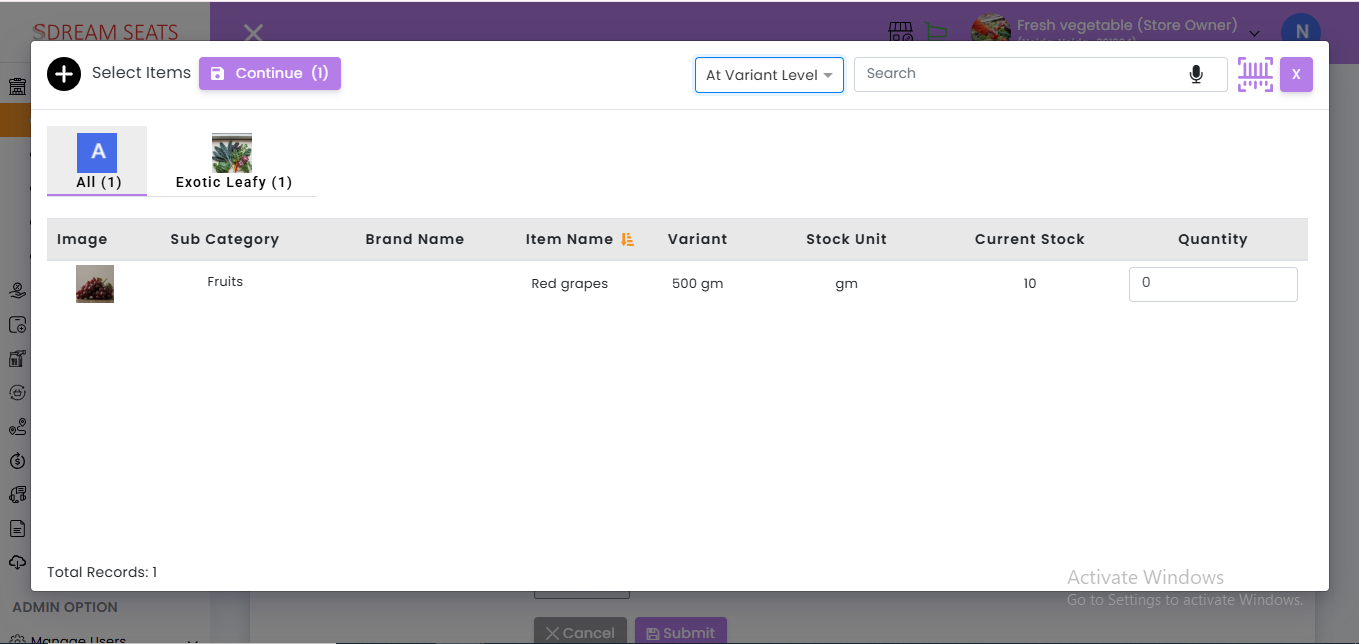
Utilise inventory management software to track ingredient usage, monitor stock levels in real-time, and streamline procurement processes. Adopt a proactive approach to inventory control to prevent shortages and maintain operational continuity.
Select a strategic location with proximity to densely populated residential areas and robust delivery infrastructure. Consider factors such as accessibility, parking availability for delivery drivers, and potential competition to maximise order fulfilment efficiency.
Equip your cloud kitchen with essential appliances tailored to your menu requirements, including commercial refrigerators, industrial-grade ovens, food preparation stations, and packaging materials. Prioritise energy-efficient and durable equipment to support long-term operational sustainability.
Launching your cloud kitchen business involves navigating various challenges and opportunities:
Explore diverse business models within the cloud kitchen industry to align with your entrepreneurial goals and operational preferences:
Yes, cloud kitchens can be highly profitable due to their lower overhead costs and the increasing consumer demand for food delivery services. Profitability depends on efficient operations, effective marketing, and meeting customer expectations for quality and delivery speed.
Essential licences and permits typically include food handler certifications, business operation licences, health department approvals, and compliance with local zoning regulations. Requirements vary by jurisdiction and business scope.
The future of cloud kitchens appears promising, driven by evolving consumer lifestyles, technological advancements in food delivery platforms, and shifting dining preferences towards convenience and quality.
Yes, operating multiple virtual brands from a single cloud kitchen is a common strategy. This approach allows you to cater to diverse customer preferences and maximise kitchen utilisation without significant additional costs.
In conclusion, starting a cloud kitchen business presents a unique opportunity for entrepreneurial success in the rapidly evolving food service industry. By leveraging innovative business models, embracing digital technology, and prioritising operational efficiency, you can establish a competitive presence and capitalise on the growing demand for food delivery services. Whether you’re launching a single-brand concept or exploring multiple culinary ventures, strategic planning and adherence to regulatory requirements will be key to achieving long-term profitability and sustainability in your cloud kitchen journey.